Reading time: 15 minutes
Imagine stepping into a room where the walls don’t just hold up the ceiling — they hold a story. They whisper of mossy floors, of sunlight filtered through a canopy of ancient oaks, of the quiet that settles after a bird has finished singing. That room is painted in deep forest green.
In 2026, this shade has become more than a trend. It’s a homecoming. After years of safe, silent greys, we are finally letting colour back into our lives — and not just any colour, but the colour of the earth itself.
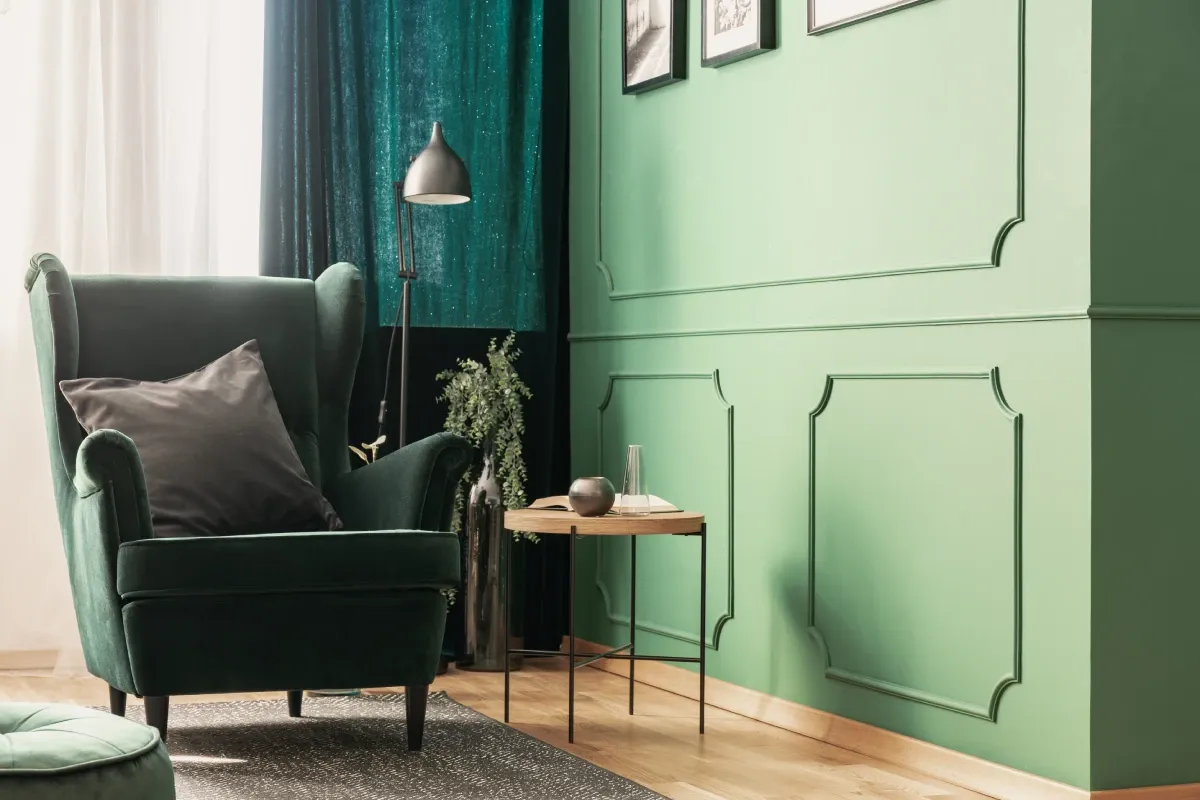
The Grey We Left Behind
For over a decade, grey was our safe harbour. It was chic, it was minimalist, it let our furniture do the talking. But somewhere along the way, grey stopped feeling like a choice and started feeling like a default. It was the background noise of modern life — pleasant, but forgettable.
Then came a quiet rebellion. People began craving warmth, texture, and emotion. They wanted their homes to feel like them, not like a showroom. And so, grey began to fade — not overnight, but inevitably. In its place, a deeper, more meaningful colour took root.
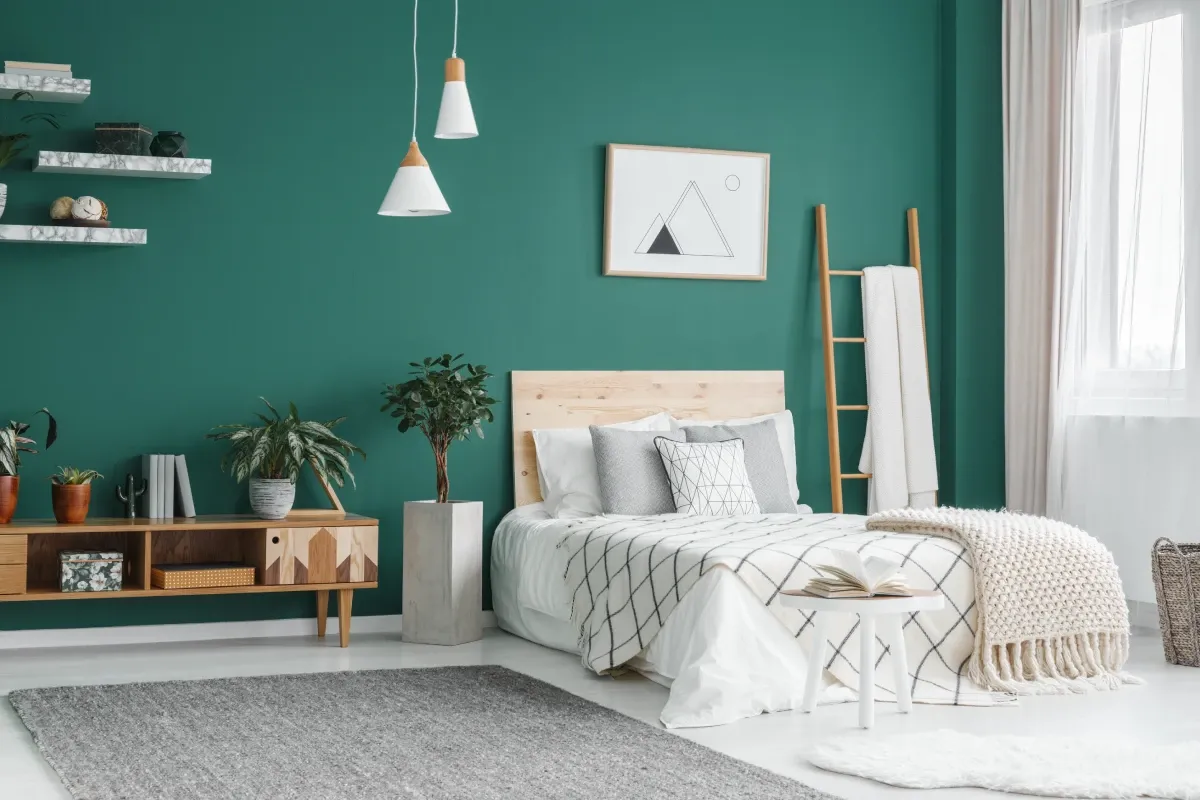
Why Deep Forest Green?
There’s a reason why green is the colour of life. It’s the colour of leaves, of ferns, of the forest floor after rain. Deep forest green is not the neon green of a tennis ball or the zesty green of a lime. It’s the green of pine needles, of ancient stone, of shadows beneath oaks.
Psychologically, it grounds us. It reminds us of stability, growth, and renewal — qualities we all crave in uncertain times. When you walk into a room painted in this shade, something shifts inside you. Your shoulders drop. Your breathing deepens. You are, quite literally, surrounded by calm.
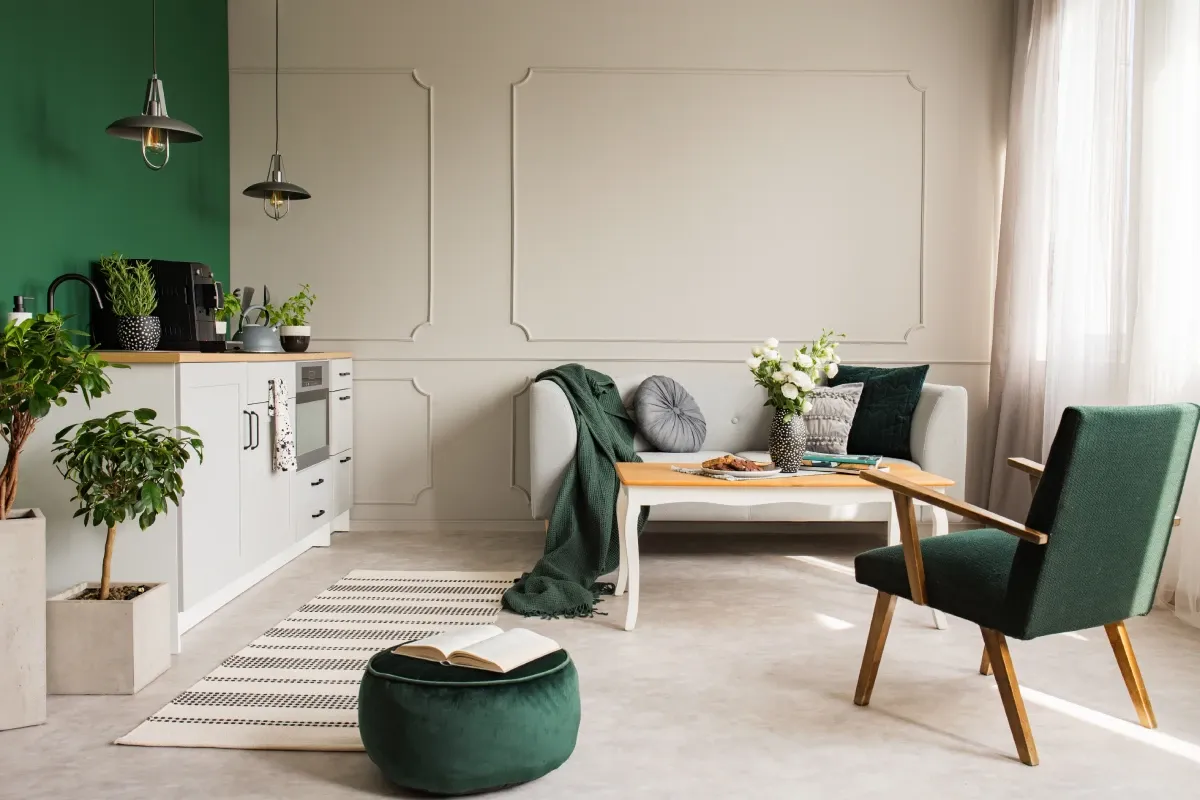
The Most Dramatic Move: Walls That Embrace You
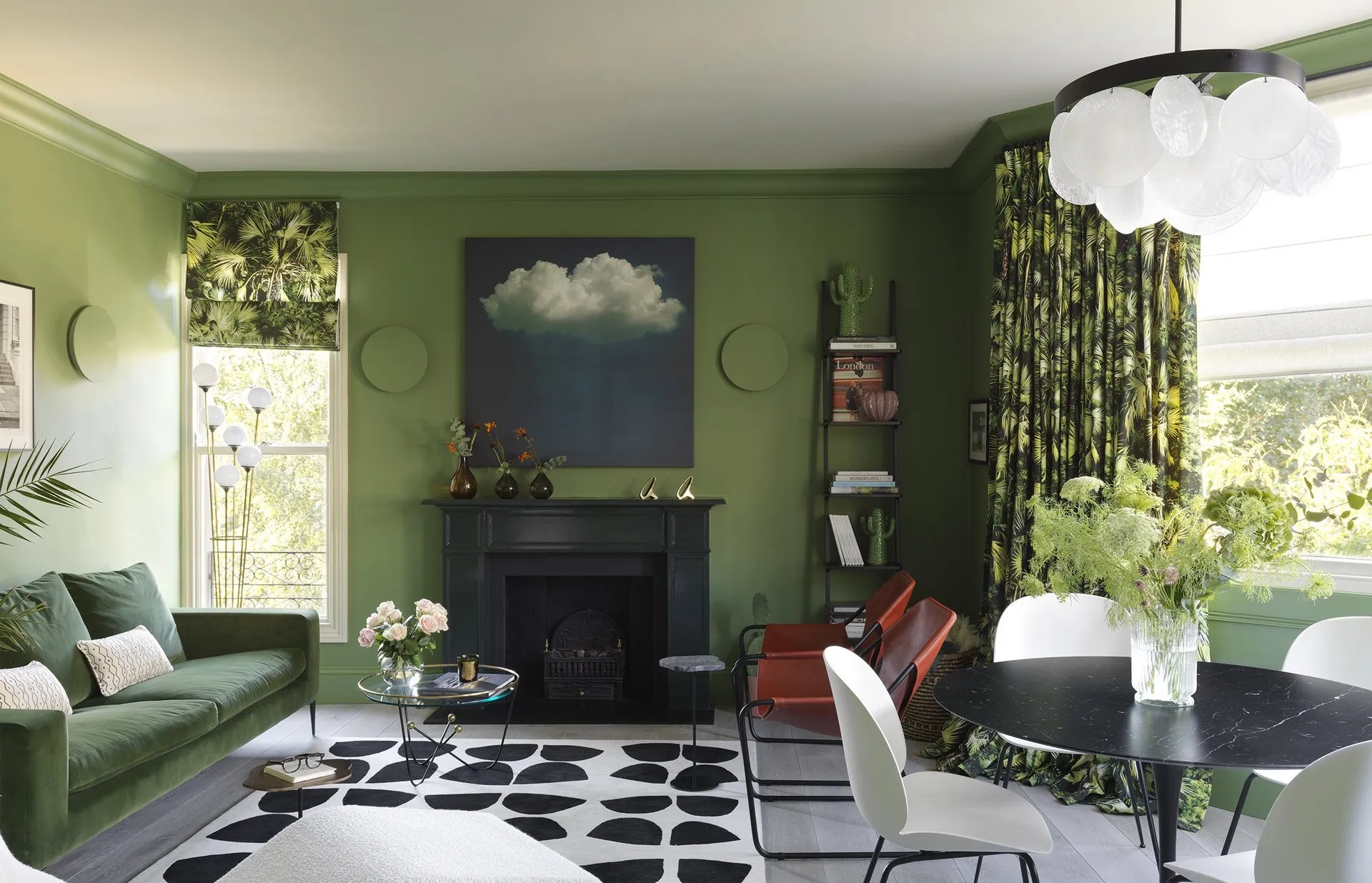
The boldest way to bring deep forest green into your home is to let it take over the walls. A living room, a study, a bedroom — any space where you want to feel enveloped becomes a sanctuary. The colour wraps around you like a warm blanket, but it never feels suffocating.
Pair it with natural wood and soft, diffused light. The wood adds warmth; the light keeps the room from feeling cave-like. And if you’re not ready for a full commitment, try a single accent wall or even the ceiling — the effect is just as powerful.
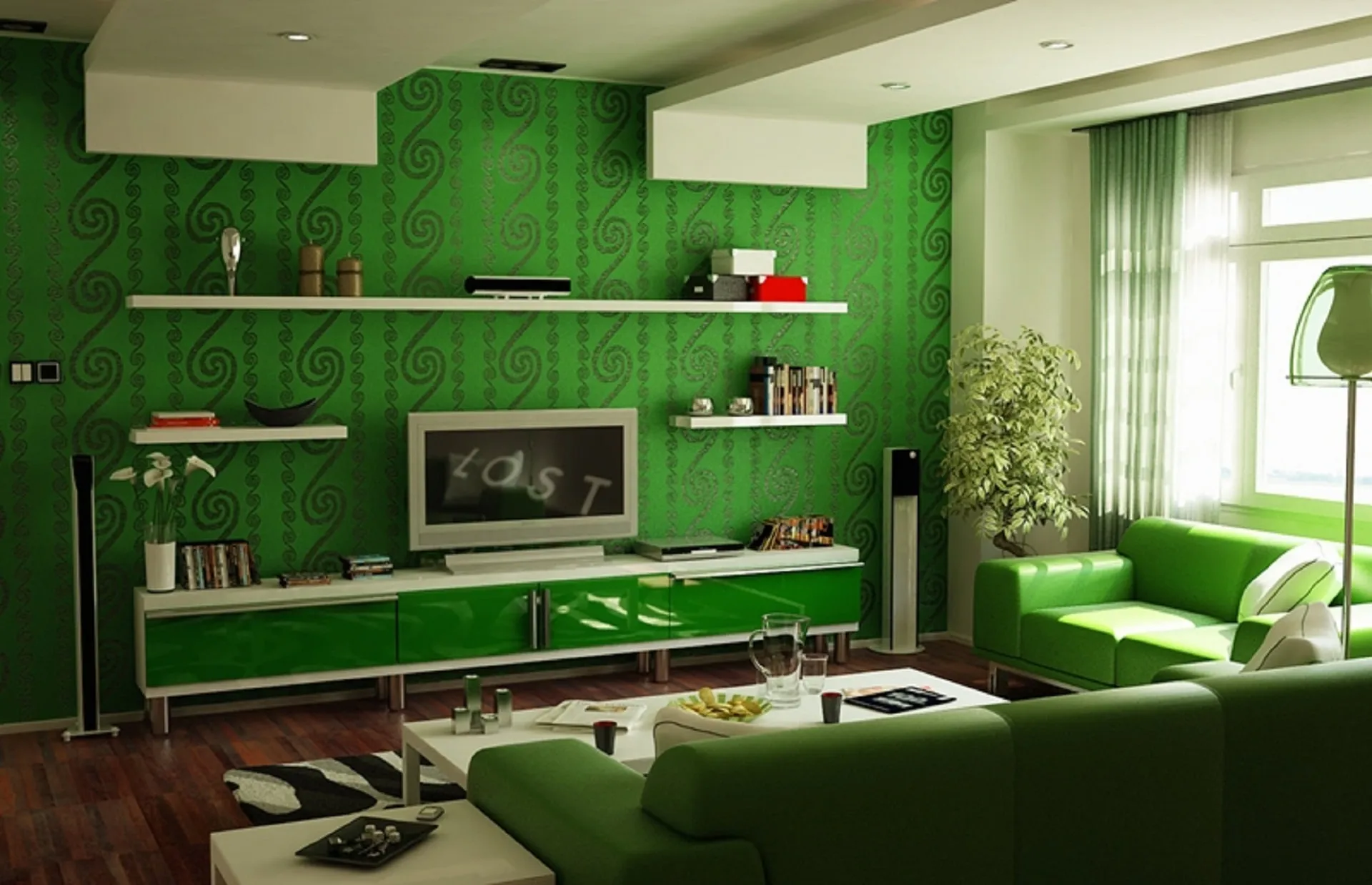
Cabinets That Speak of Quiet Luxury
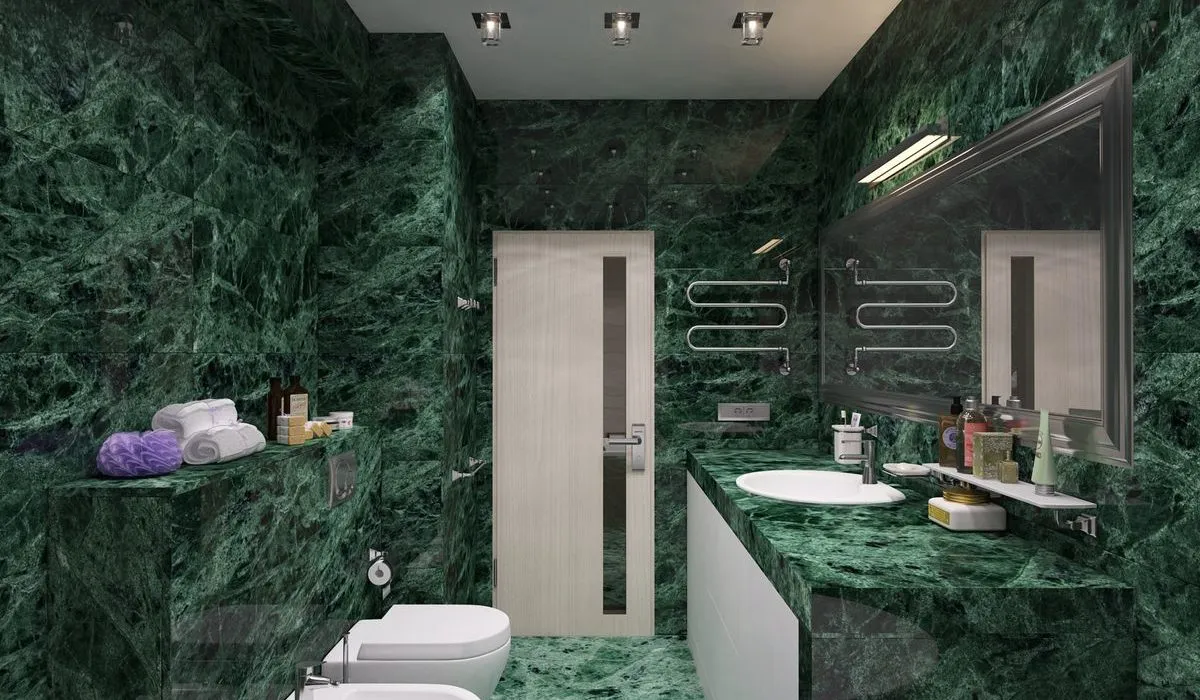
In kitchens and bathrooms, deep forest green is stealing the spotlight from navy and black. Cabinets in this shade feel both classic and unexpected. They add depth without dominating, especially when paired with brass handles or brushed gold fixtures.
Every time you open a cabinet, it’s like pulling out a secret from the forest — a small moment of delight in your daily routine.
The Touch of Textiles
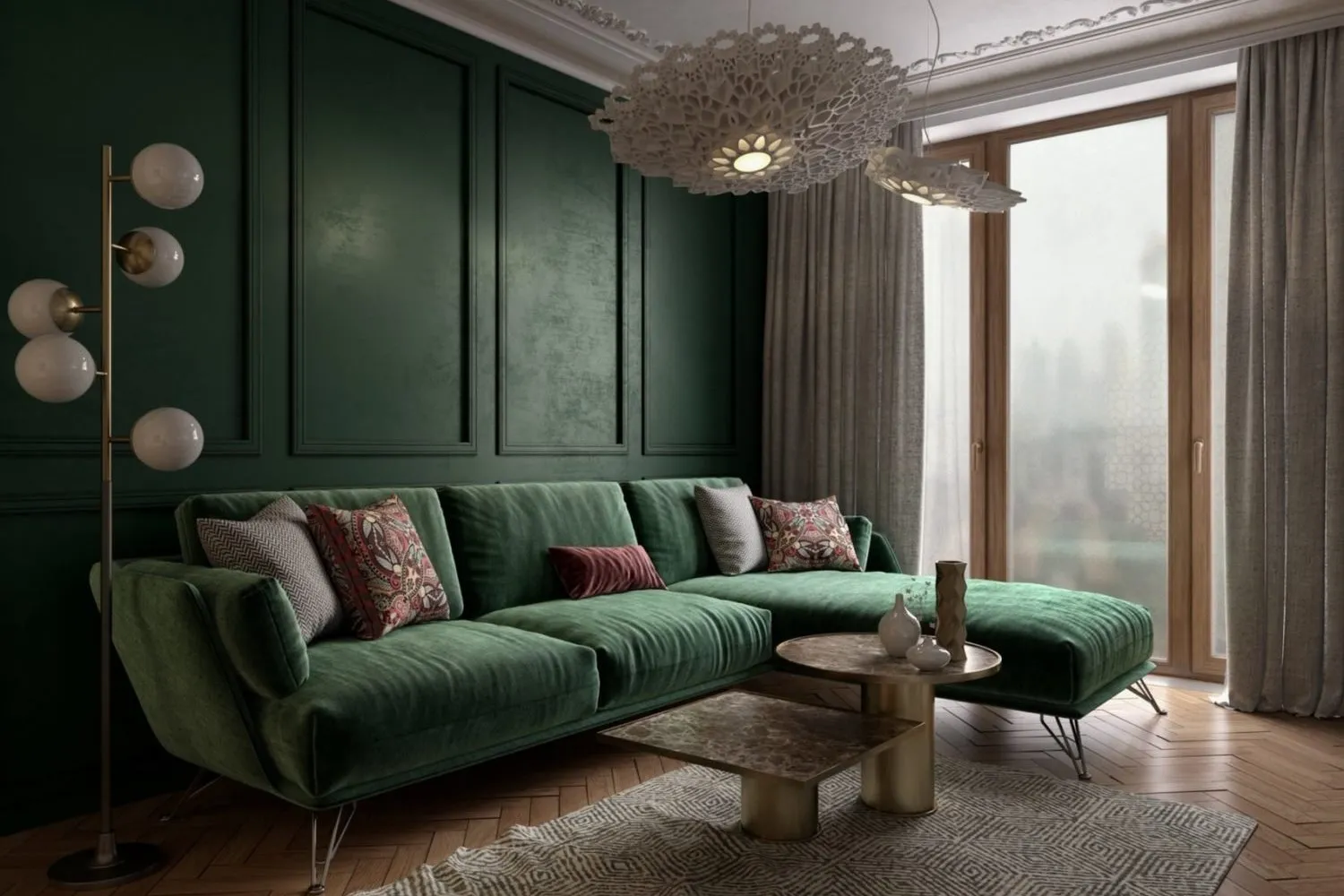
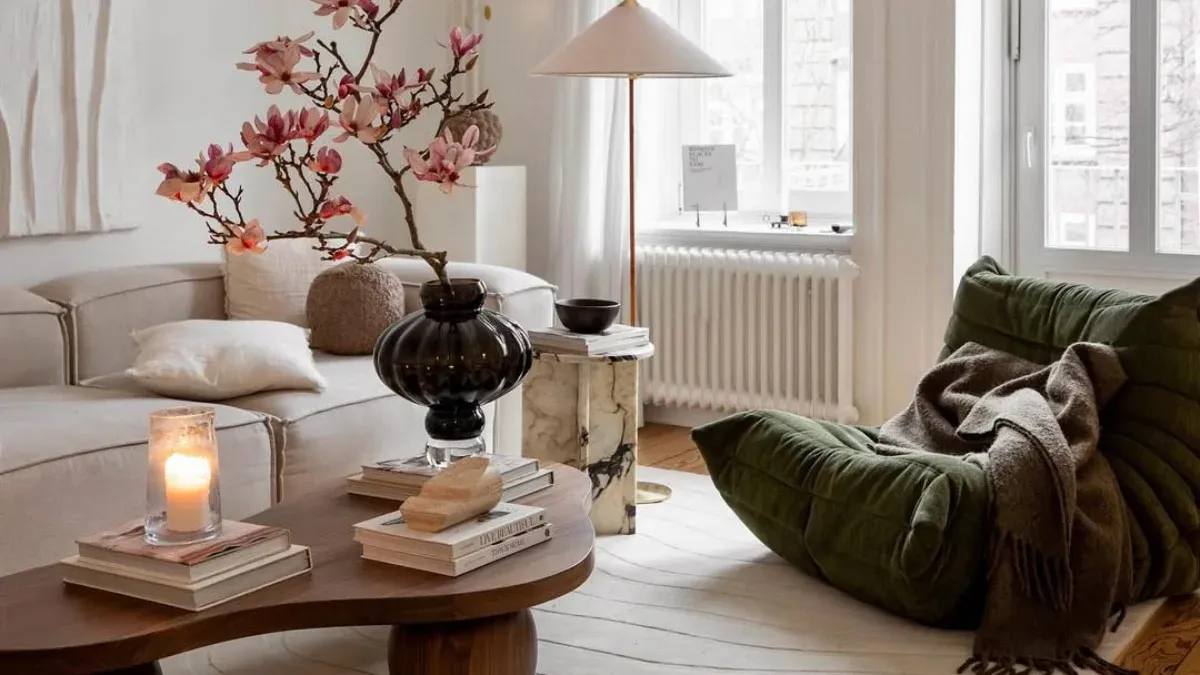
If painting walls feels too permanent, let deep forest green enter your home through fabric. A velvet sofa, a linen curtain, a chunky wool throw — these pieces invite touch and warmth. They catch the light differently at every hour, making the room feel alive.
Place a green velvet cushion on a neutral chair, and suddenly the whole corner breathes. It’s the simplest way to test the waters, and often the most addictive.
The Quiet Power of Architectural Details
Sometimes, the most powerful changes are the smallest. Paint your internal doors, window frames, or skirting boards in deep forest green. These details draw the eye to the architecture itself, making the room feel intentional and thoughtful.
It’s a trick that works in any home, regardless of size. And it costs little more than a can of paint and an afternoon of your time.
The Art of Pairing
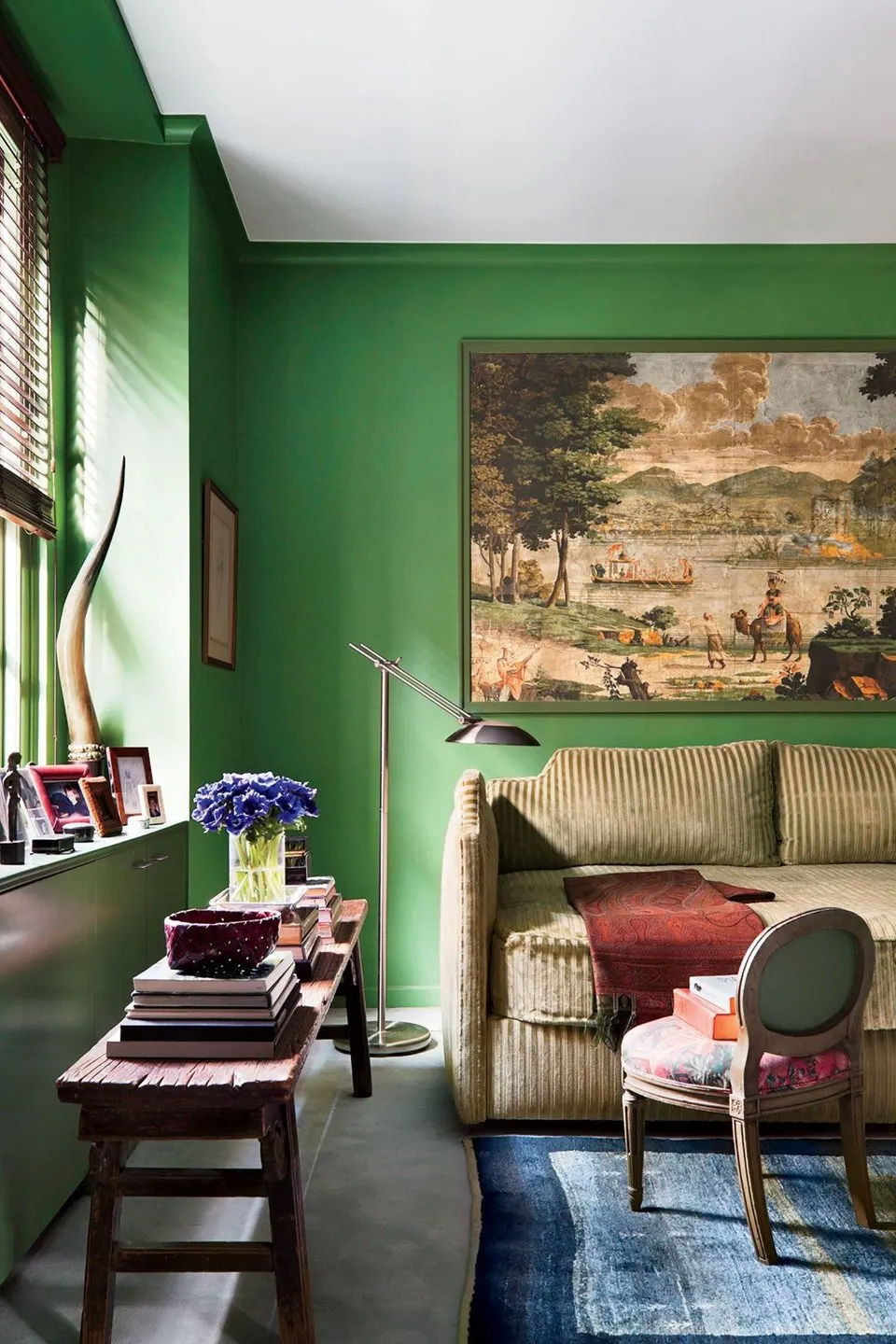
Deep forest green is a social colour — it loves company. It shines brightest when paired with:
- Warm neutrals — cream, beige, sand — for an earthy, grounded feel.
- Terracotta and rust — adding a retro warmth that feels both nostalgic and fresh.
- Brass and gold — the metallic gleam lifts the richness of the green.
- Deep blues — for a moody, dramatic conversation between colours.
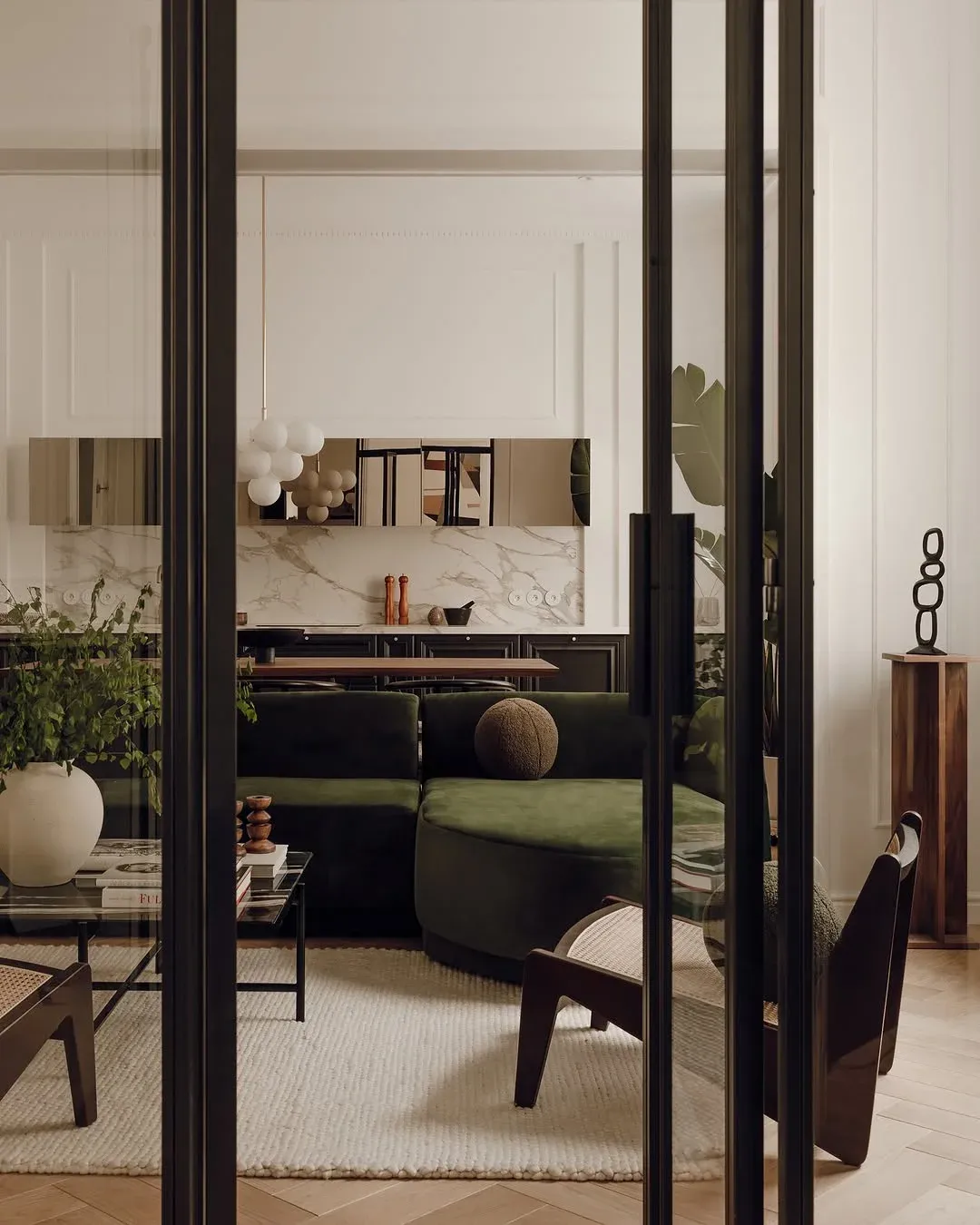
- Natural wood — from pale oak to dark walnut, wood and green are old friends.
A Deeper Cultural Shift
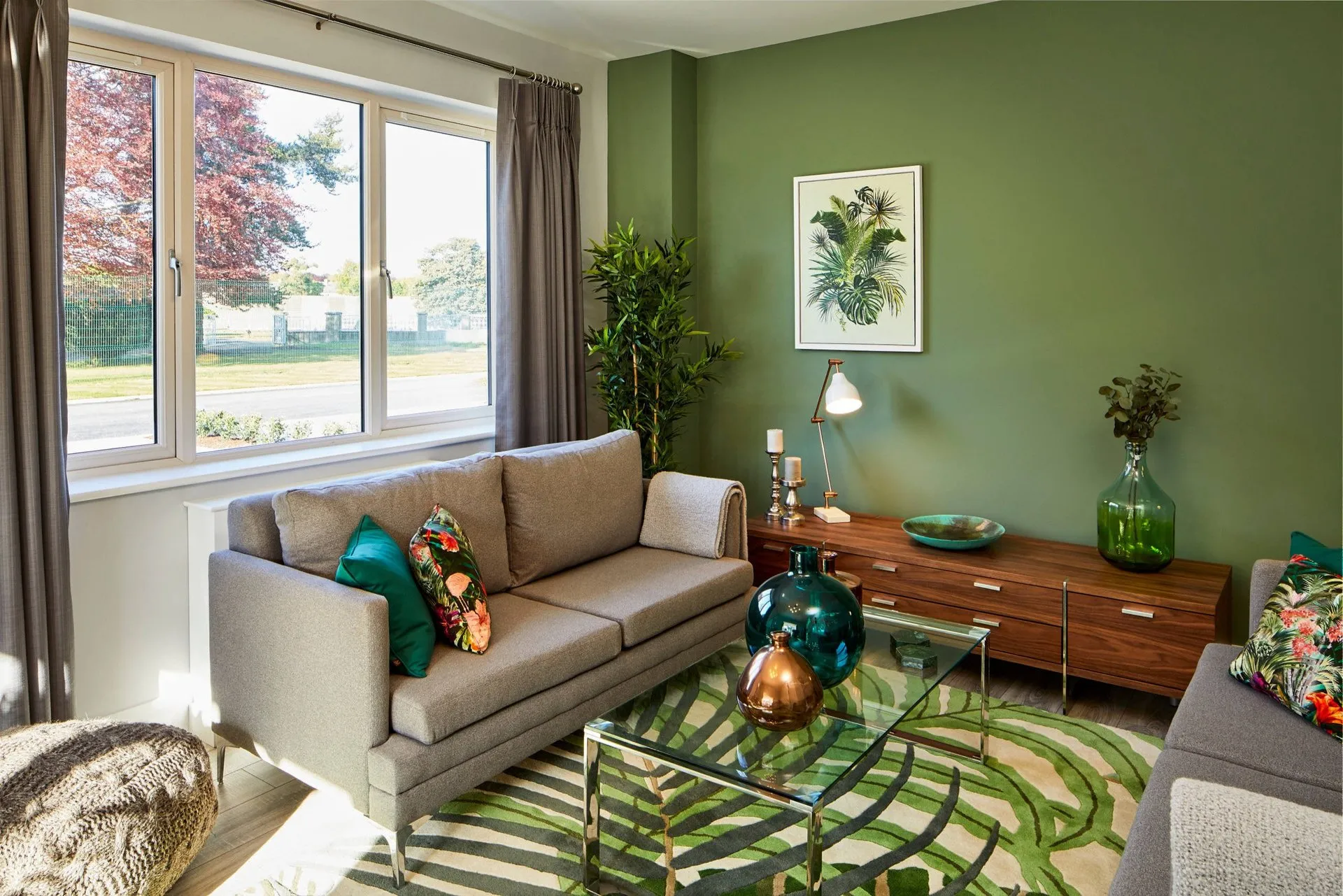
The move away from grey is not just about colour — it’s about what we value. Our homes have become more than shelters. They are retreats, sanctuaries, and expressions of our identity. Grey can no longer carry that weight. Green can.
Designers around the world are noticing the same thing: clients are asking for spaces that feel restorative, not just stylish. Deep forest green answers that call. It doesn’t shout for attention; it simply is — and in its presence, we find peace.
Sustainability and Longevity
This is not a colour that will date quickly. Deep forest green is timeless — it belongs to the earth, and the earth is never out of fashion. Choosing it is also a small act of sustainability: you are less likely to repaint or redecorate frequently, reducing waste and embracing a more mindful approach to home design.
It’s also a nod to biophilic design — the idea that we thrive when we feel connected to nature. By bringing this shade indoors, we bridge the gap between the wild and the domestic.
The Magic of Light
One of the most enchanting qualities of deep forest green is its chameleon-like behaviour. In the morning sun, it feels fresh and invigorating. By midday, it’s grounded and calm. In the evening, under warm lamplight, it deepens into an intimate, almost mysterious hue.
To make the most of this, layer your lighting. Use warm ambient light, task lighting, and accent lights to play up the colour’s complexity. Watch the room transform from dawn until dusk.
A Final Invitation
If you’re ready to take the leap, start small. Add a throw pillow. Paint a single wall. Buy a green vase. Let the colour guide you. Notice how it makes you feel — not just look.
Deep forest green is more than a shade. It’s an invitation. It invites you to slow down, to breathe, to remember the feeling of standing in a sunlit forest clearing, surrounded by ancient trees, with the world at peace.
That feeling is what 2026 is all about.