Reading time: 18 minutes
For more than a decade, gray was the undisputed king of the residential interior. It was the safe choice for developers, the sophisticated choice for minimalists, and the “timeless” backdrop for Pinterest-perfect homes. But in 2026, a collective shift is happening. The detached, urban cool of gray is being replaced by something deeper, warmer, and more connected to the soil.
Enter Olive — muted, grounded, alive.
This isn’t just a change in color preference; it’s a fundamental shift in how we want our homes to feel. We no longer want a house that looks like a high-end hospital or a tech office. We want a sanctuary that breathes, a space that restores the soul through natural pigments and organic textures. Olive is the defining hue of this “New Luxury” movement.
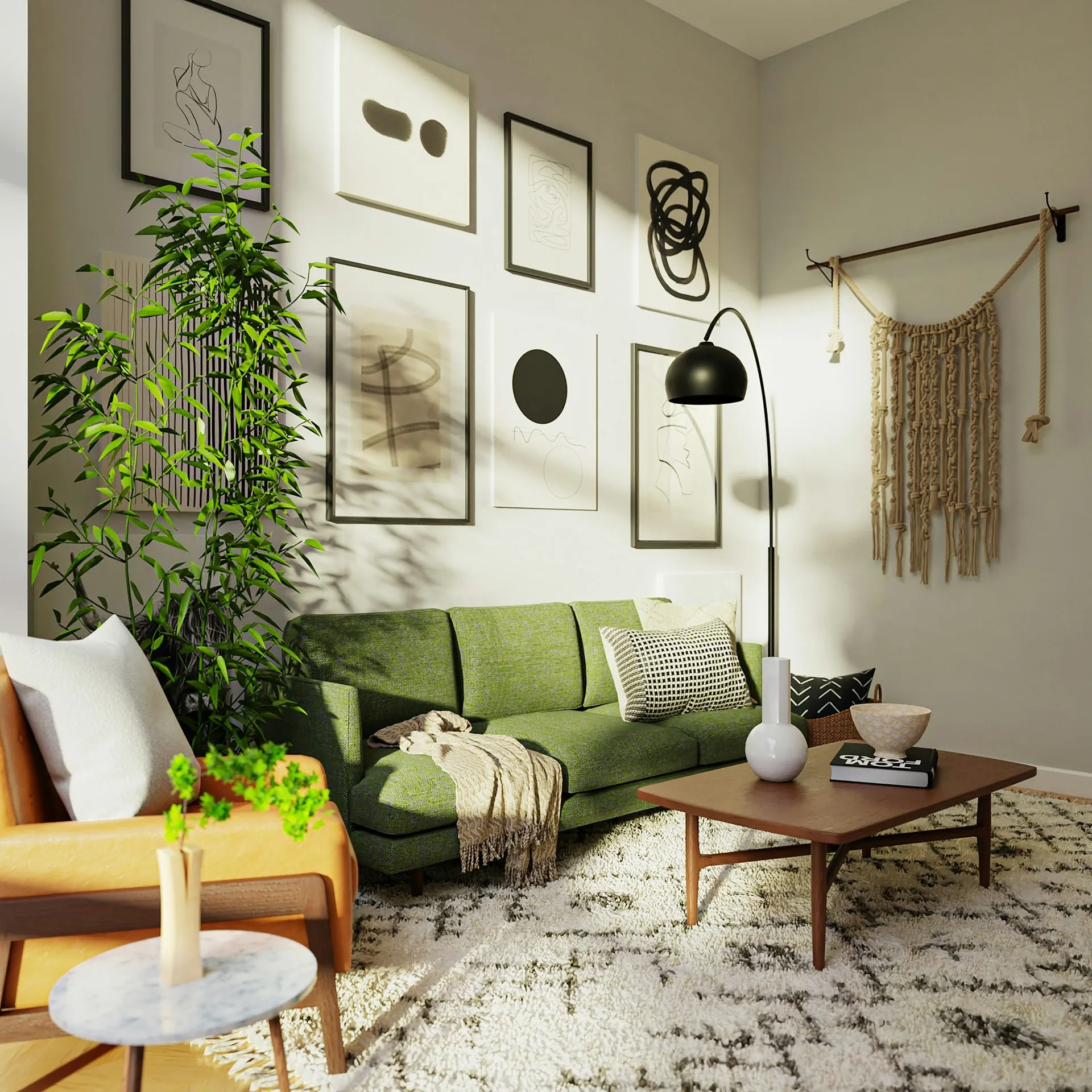
The Exhaustion of Gray: Why the clinical era is over
The fatigue with gray isn’t just aesthetic; it’s psychological. Gray interiors, for all their neatness, lack temperature. They are static. A gray wall at noon looks very much like a gray wall at dusk — flat, unresponsive, and detached.
In the post-digital age of 2026, our lives are already filled with the blue-light sterility of screens and the cold glass of urban environments. When we return to our homes, we are seeking the opposite. We want warmth. We want pulse. We want materials that show the hand of the maker and colors that change as the sun moves across the sky.
Olive provides exactly that. Unlike gray, olive is a multi-pigment color. It carries whispers of red, amber, and sometimes even a hint of gold. It responds to natural light in a way that makes a room feel like a living organism.
Olive: The spectrum of 2026
When designers talk about olive in 2026, they aren’t referring to the bright, synthetic greens of the past. The residential palette is strictly muted:
- Truffle Olive: A gray-green that acts as the perfect transition for those moving away from charcoal.
- Sun-Baked Sage: A lighter, dustier variant that pulls toward the tones of a Mediterranean hillside.
- Deep Moss: The anchor color for custom millwork and built-ins.
- Golden Olive: A luminous shade that catches the light, perfect for rooms with large windows.
The unifying principle across these shades is naturalness. If it looks like it was mixed in a factory with pure chemical pigments, it isn’t the 2026 look. If it looks like it was foraged from the earth, it is.
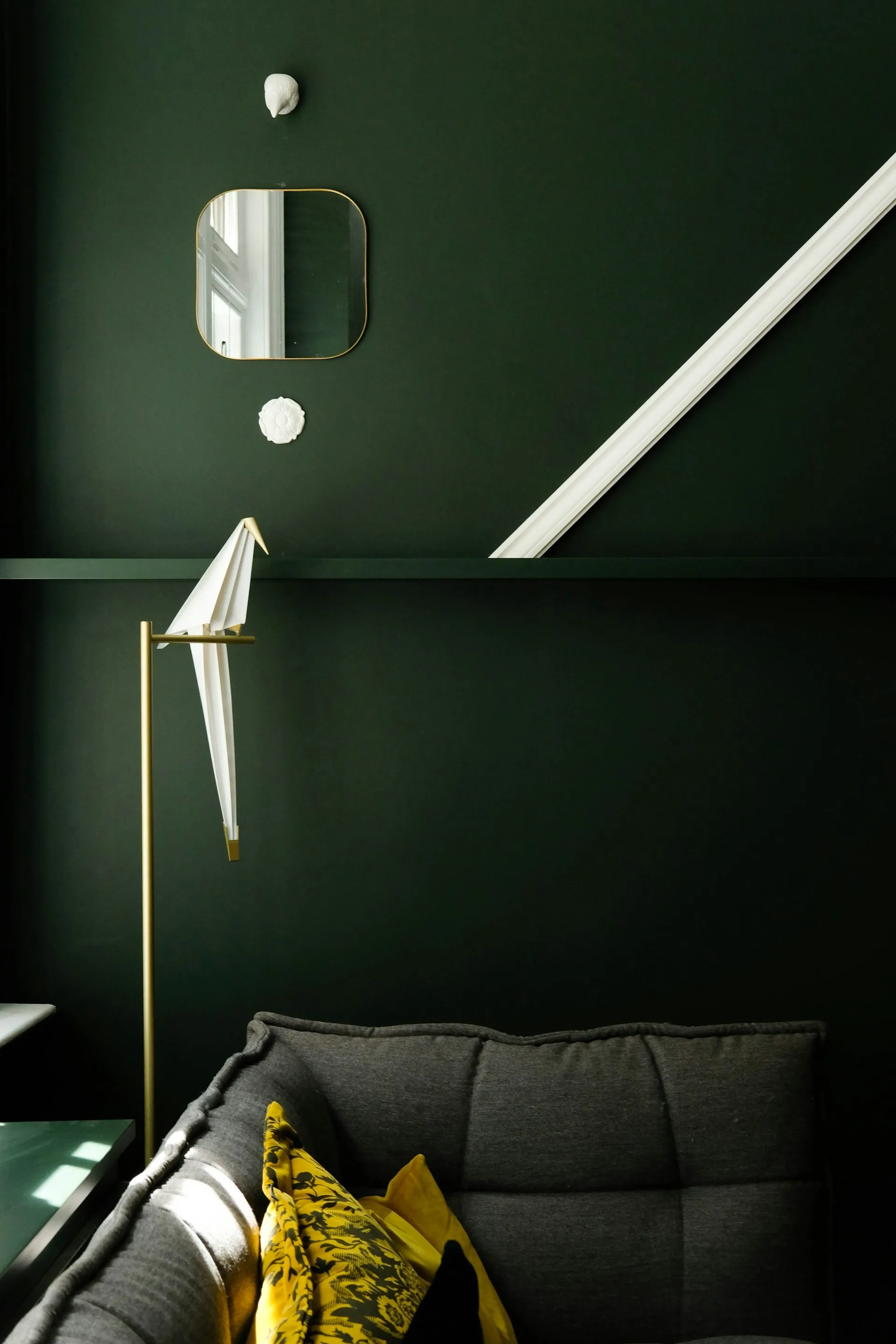
Color Drenching: The Cocooning Effect
One of the most discussed techniques in modern residential architecture is color drenching. This involves taking a single saturated shade — like a matte deep olive — and applying it across every surface: the walls, the ceiling, the baseboards, and sometimes even the window frames.
In a residential home, this creates a “jewel-box” effect. In a study or a secondary bedroom, color drenching eliminates the visual boundaries that usually divide a room, making the space feel both more intimate and surprisingly more expansive. It turns a room into an enveloping sanctuary where the eye can finally rest.
The Kitchen as a Grounded Hearth
The residential kitchen has moved away from its 2010s clinical look. In 2026, designers are treating the kitchen as a place of craftsmanship. This is why we see a massive surge in custom olive cabinetry.
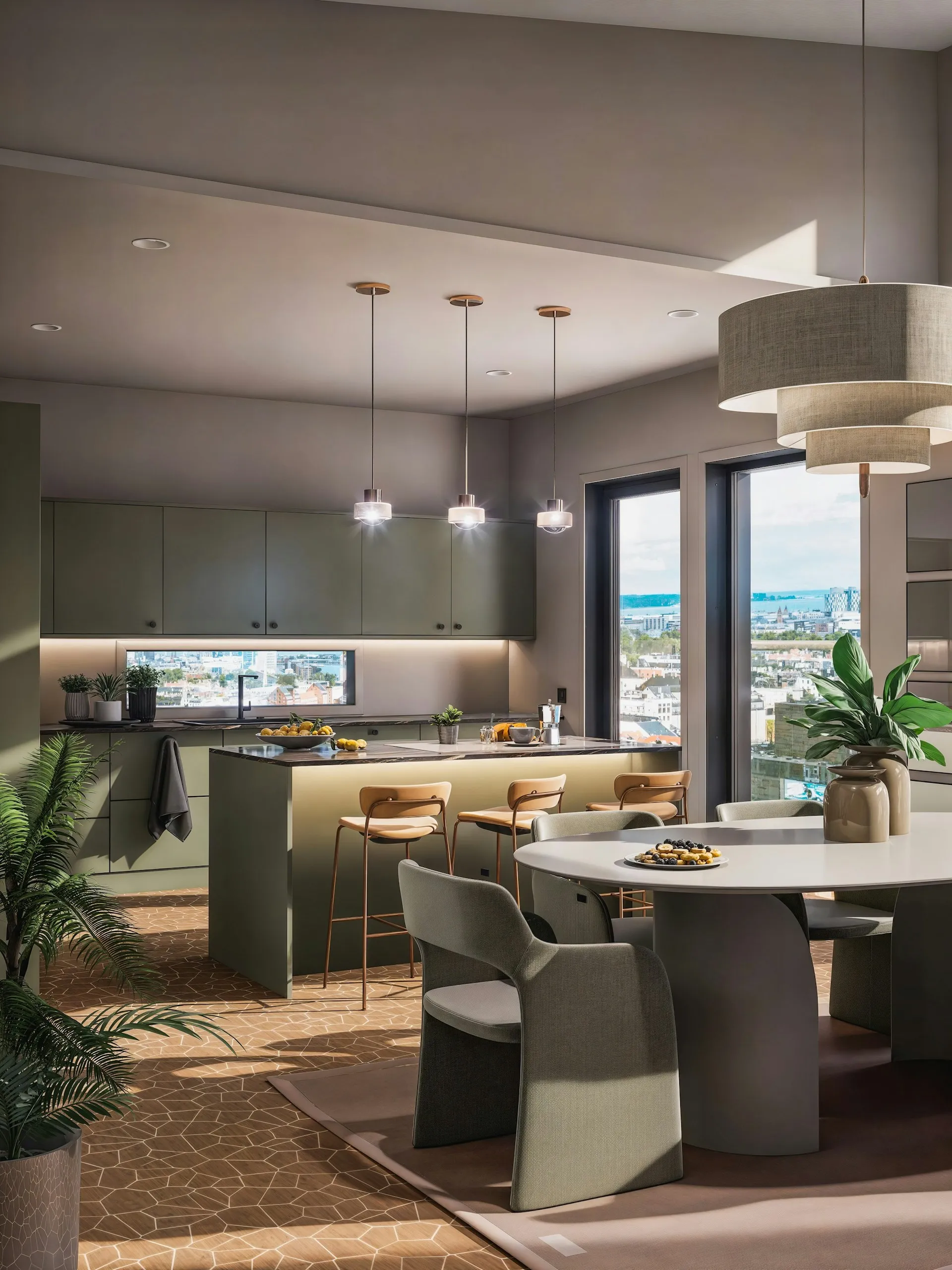
Pairing olive cabinets with natural stone — specifically travertine or heavily-veined Calacatta marble — creates a look that is both historic and contemporary. The green of the cabinets draws out the warm earthy tones in the stone, making the kitchen feel like the grounded heart of the home rather than just a workspace.
Integrated Millwork: Furniture as Architecture
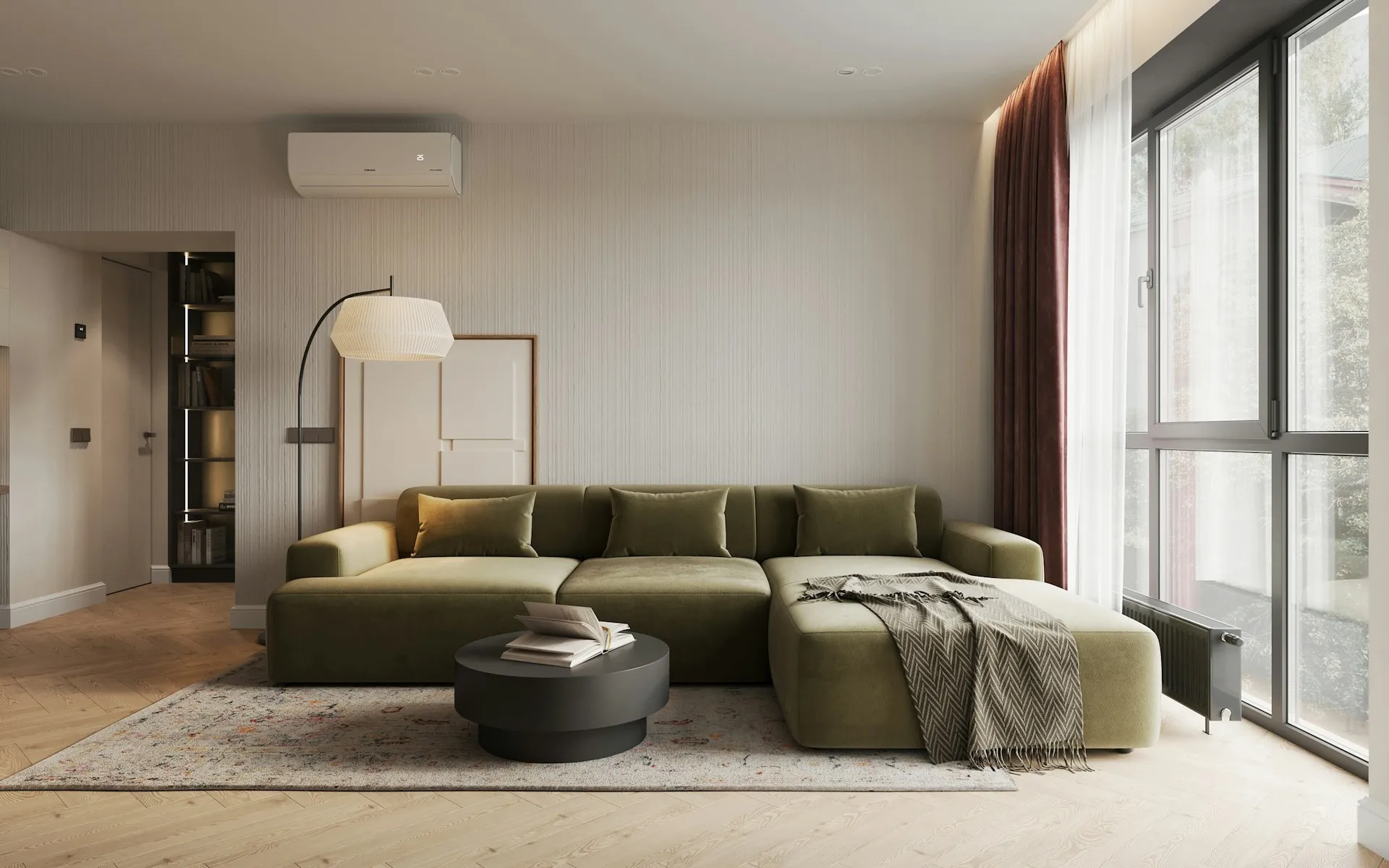
In a truly high-end home, furniture is no longer something you just buy and place against a wall. It is integrated. Custom built-in bookshelves, media consoles, and entryway mudrooms are being finished in muted olive lacquer to act as structural elements of the house.
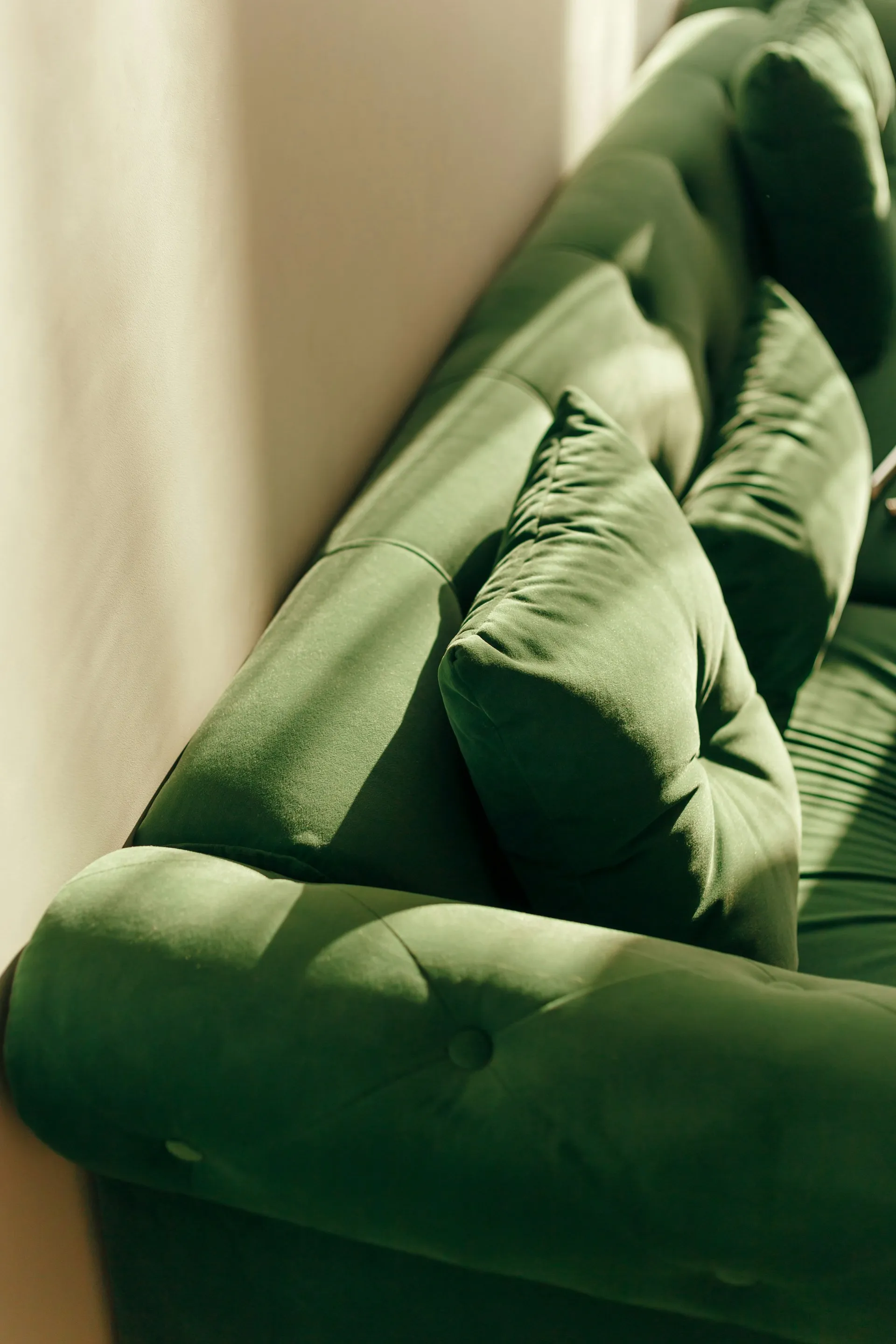
When the furniture matches the architectural palette of the room, the home feels more considered and settled. A large olive velvet sofa placed against a similarly toned olive wall creates a layered, monochromatic depth that gray simply cannot achieve without feeling cold.
Biophilic Living: Blurring the Line
Biophilic design is the practice of connecting interior spaces to the natural world. In 2026, this is being achieved through color and material. Using olive in a room with a direct view of a garden or a terrace creates a seamless visual transition. The eye no longer stops at the window; the interior green merges with the outdoor landscape.
The Material Story: Surfaces with a Pulse
A color is only as good as the material it lives on. The “New Luxury” of 2026 is defined by tactile honesty.
Wood and Stone
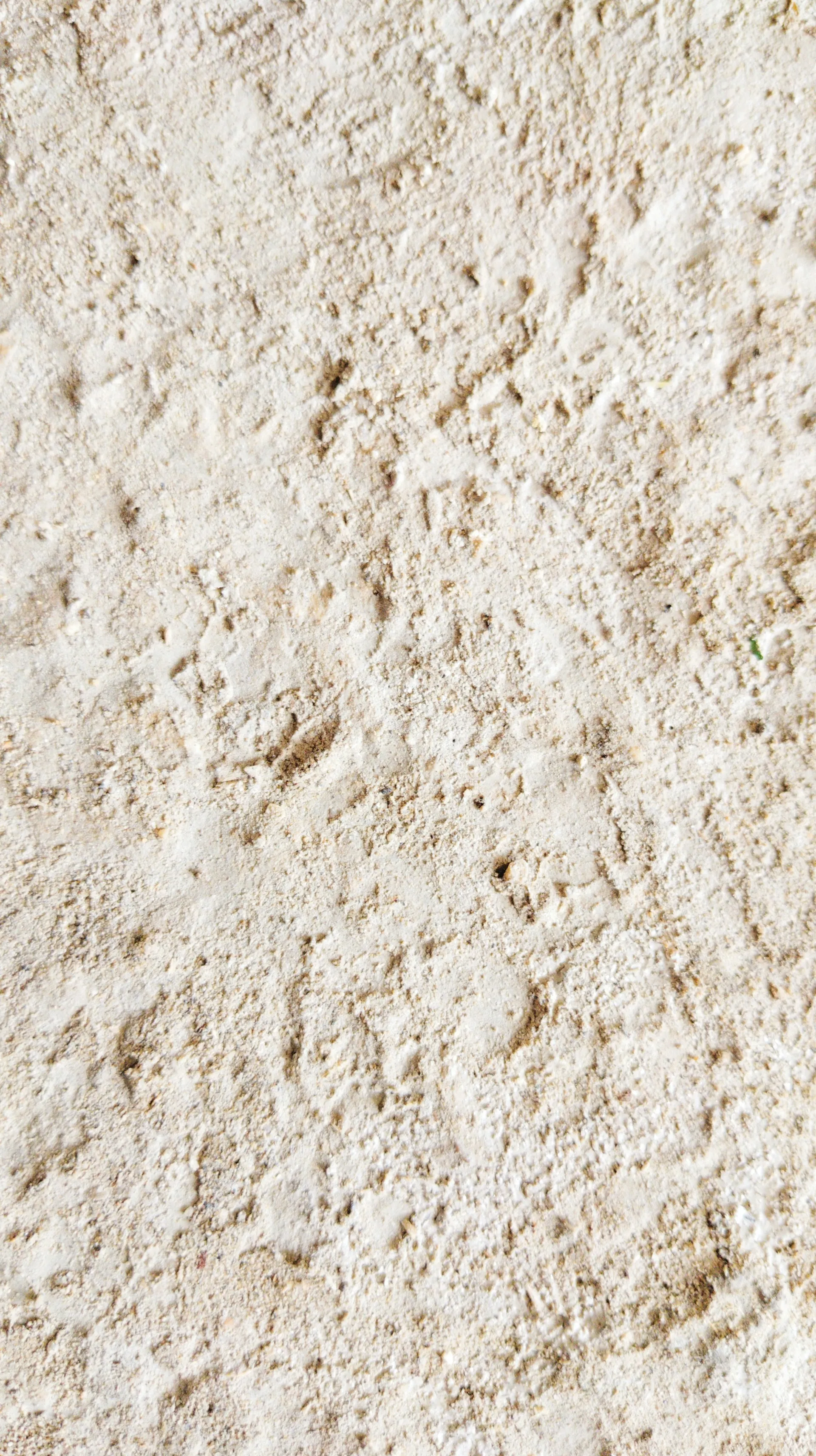
We are seeing a move away from highly-polished, uniform surfaces toward raw foundations. Open-grain oak, walnut with visible knots, and porous stones like travertine provide the necessary texture to balance the depth of olive paint.
Metals: The Beauty of Patina
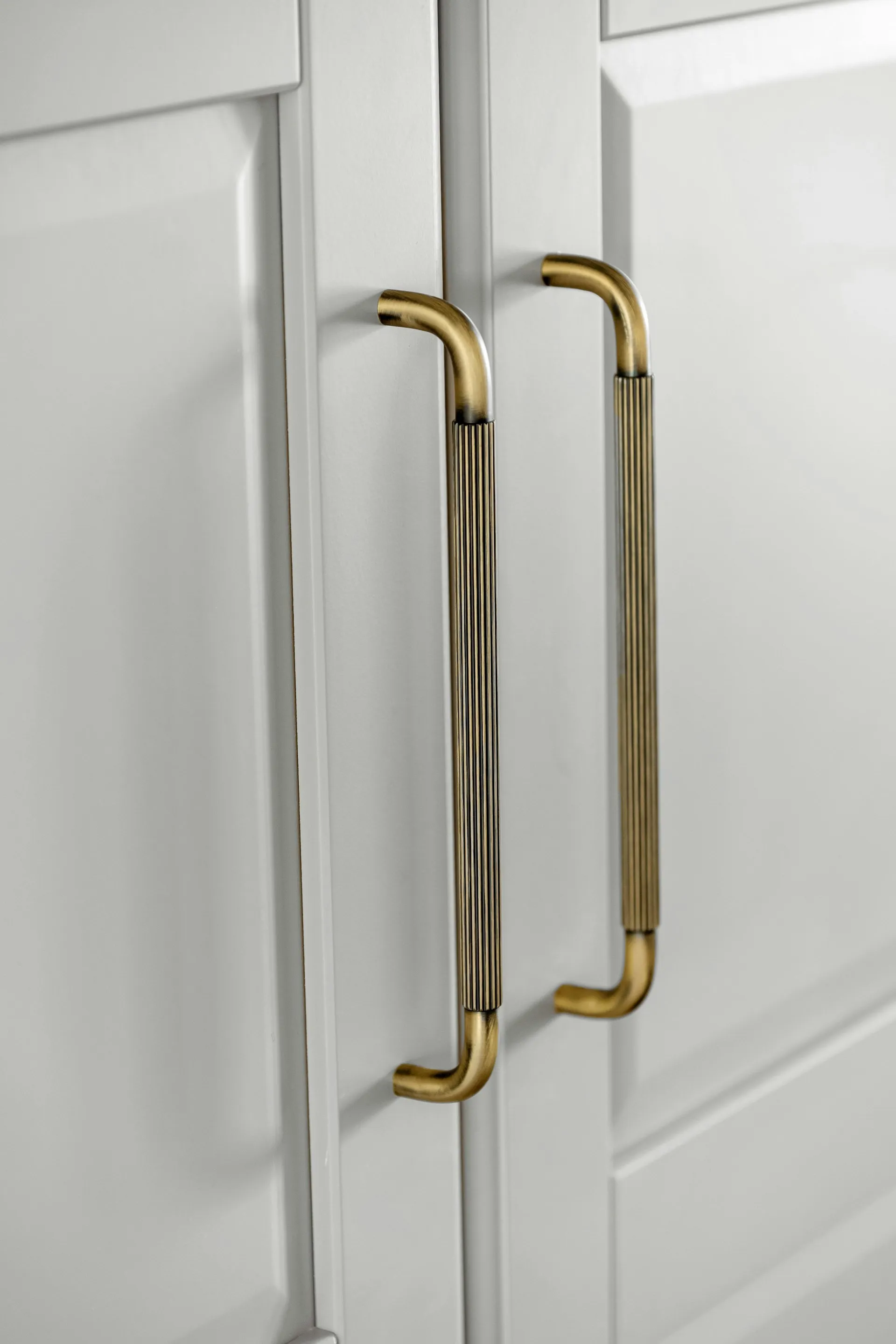
Polished chrome and stainless steel are being replaced by “living finishes.” Unlacquered brass, antique bronze, and brushed copper are the preferred metals to pair with olive. These materials oxidize and change over time through daily use, telling the story of the home’s life and adding a golden warmth that complements the green.
Reeded Glass: Kinetic Light
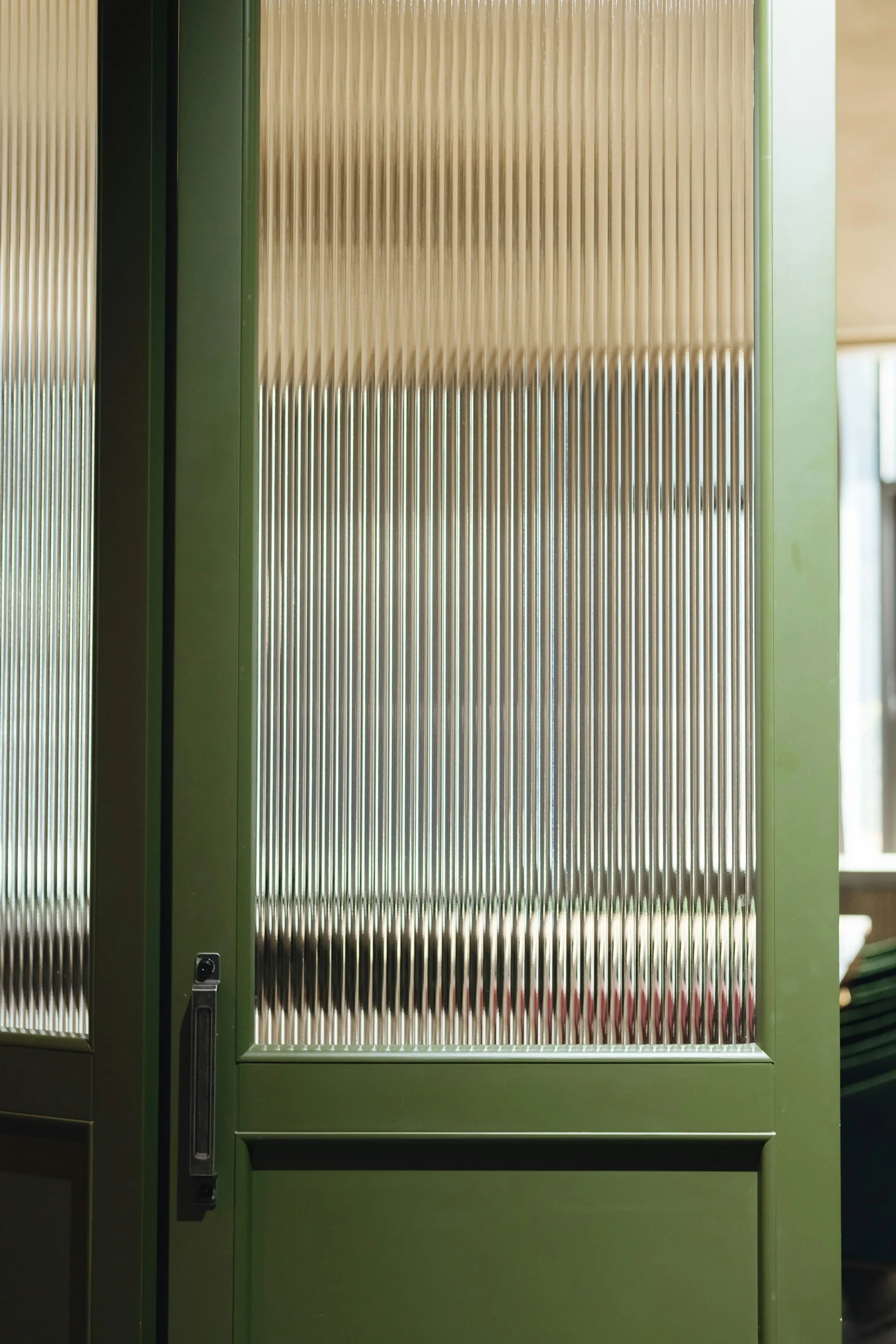
Reeded or ribbed glass is the material of choice for kitchen cabinets, pantry doors, and internal partitions. It adds a layer of mid-century sophistication while allowing light to flow through the home in a soft, kinetic way.
The House-Wide Palette: A Room-by-Room Mood Guide
| Space | Color Pairing | Mood | Key Material |
|---|---|---|---|
| Living Room | Olive + Warm Cream | Grounded, Welcoming | Smoked Oak |
| Kitchen | Olive + Terracotta | Artisanal, Active | Travertine |
| Master Bedroom | Olive + Muted Sage | Restorative, Quiet | Raw Linen |
| Home Office | Olive + Deep Plum | Focused, Scholarly | Walnut |
| Primary Bath | Olive + Graphite | Spa-like, Sanctuary | Zellige Tile |
Sanctuary: The Bedroom and Bathroom Retreat
In the private quarters, olive serves a therapeutic purpose. An olive upholstered headboard or drapery panels in raw linen absorb light, signaling the brain that it is time to slow down.
In bathrooms, handmade olive tiles (like Zellige) are replacing standard gray porcelain. The variations in the tile’s glaze create a reflective, water-like surface that feels organic and luxurious, transforming a daily routine into a ritual of restoration.
Three Steps to Integrate Olive in Your Home
- The Small Escape (Low Risk): Paint a powder room or a hallway in a deep, color-drenched olive. These are high-impact areas where you don’t spend long periods, allowing you to be bold.
- The Layered Texture (Medium Risk): Introduce olive through high-quality textiles — a mohair throw, custom linen curtains, or a large wool rug. This tests how the color interacts with your home’s natural light.
- The Architectural Commitment (High Risk): Invest in custom olive cabinetry or a full library of built-in shelving. This anchors the home’s aesthetic for the next decade.
Final Thought: A Return to the Earth
In 2026, the home is no longer a temporary stage for trends. It is a sanctuary. Gray gave us safety, but Olive gives us soul. It is a color of connection — to nature, to craftsmanship, and to a slower, more meaningful way of living.
Olive is not a color you choose for a season. It is a quality of life you return to.
Published: August 16, 2026 Tags: #Design #Interior #Trend #Inspiration #Comfort #Style #HomeDecor ”,“path”:“C:/Users/WorkPC/affiliate-blog/src/content/posts/olive-muted-grounded-alive.md”}