Reading time: 8 minutes
You know the feeling. You walk into a room and your shoulders drop half an inch. Nothing is shouting — not the furniture, not the walls, not the accessories. And yet everything feels deliberate, composed, considered. The light falls across a surface in a way that makes you want to touch it. There is space between objects, but it does not feel empty. It feels chosen.
This is the quiet luxury home. Not a catalogue look, not a price tag, not a brand name. An atmosphere — built from surfaces, materials, light, and the daily rituals that give a room its reason to exist.
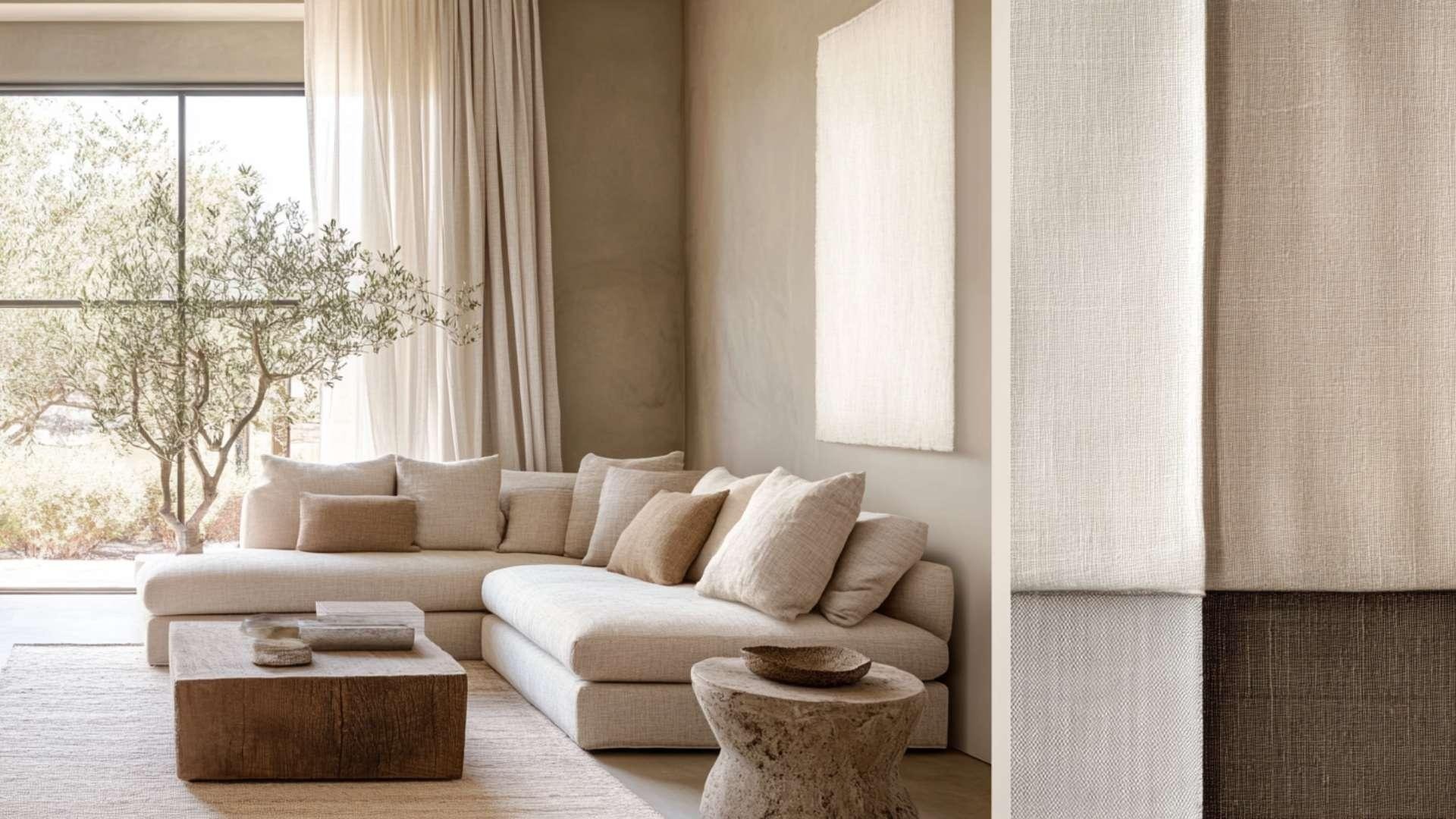
The contradiction at the heart of quiet luxury is that it costs less than you think but demands more than money. It demands patience, editing, and a willingness to remove things rather than add them. Anyone can fill a room. Few can leave room for the room to breathe.
Start With the Surfaces You Actually Touch
Before paint colours, before furniture layouts, before a single Pinterest board — look at the surfaces you live with at hand level. The kitchen counter where keys land. The nightstand where a book waits. The side table where a glass always seems to settle. The bathroom sink where five quiet minutes become something restorative.
These planes shape your daily experience more than any feature wall. Edit them first.
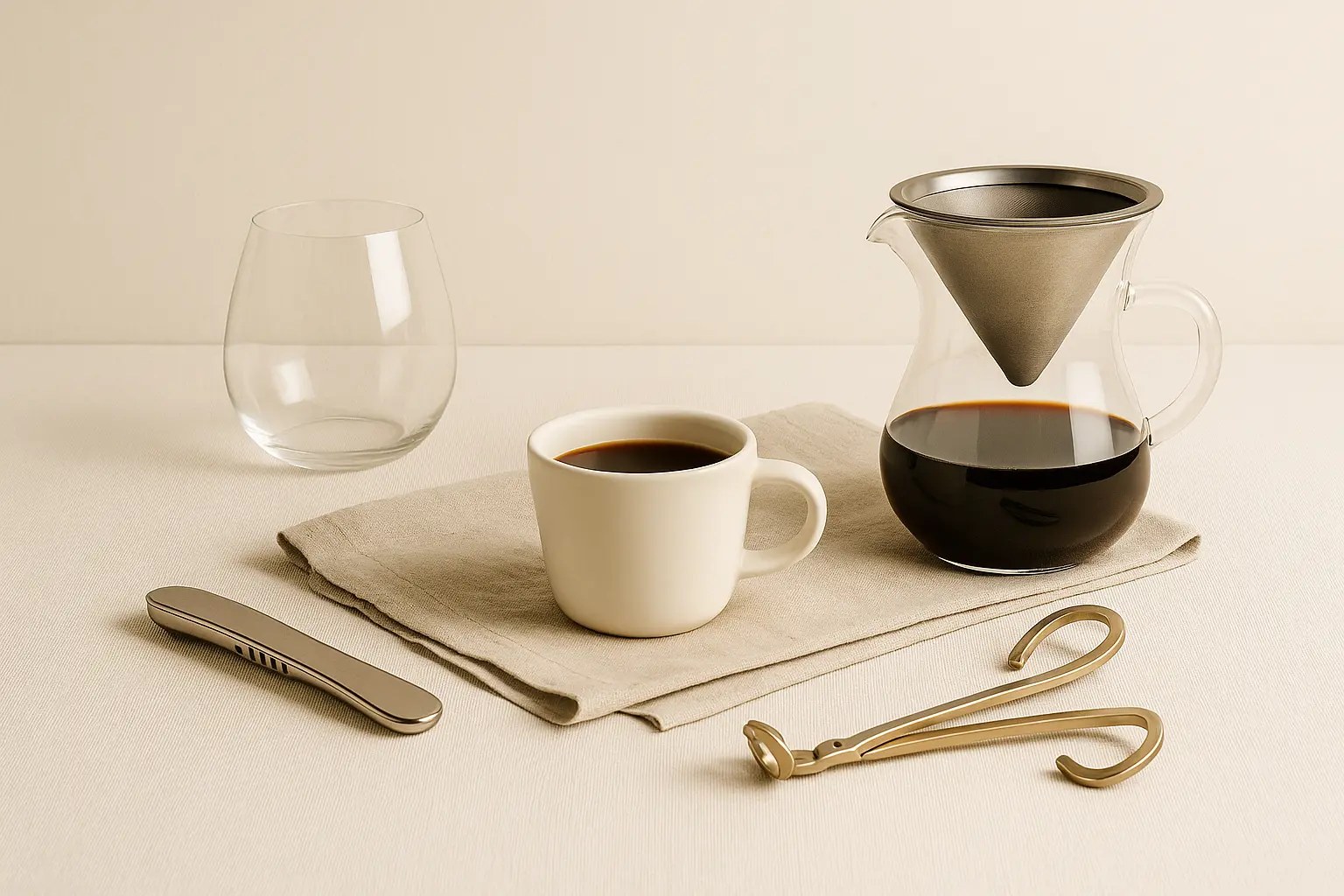
A quietly luxurious surface follows a simple grammar. One anchoring object — a ceramic lamp, a glass carafe, a single beeswax candle. One supporting object — a shallow dish, a linen cloth, a small bowl. And space around them. Nothing decorative for decoration’s sake. Everything earns its position through function or beauty, ideally both.
On a nightstand: a carafe and glass, the book you are actually reading — not a decorative stack you will never open — and a candle. On a kitchen counter: a cutting board that doubles as serving platter, a pinch bowl for salt, a linen towel. When surfaces breathe, the room breathes with them.
Ask of each surface: what truly needs to live here, and what is just noise? The answer is almost always less than you think.
A Palette That Calms, Not Competes
Quiet luxury does not mean all-white. It means a palette coherent enough that your eyes aren’t working overtime every time you cross a threshold. Think in three tiers, not in trends.
Base tones — the quiet backdrop. Warm whites, soft stone, oat, greige, muted charcoal. These are your walls, your larger furniture, your rugs, your major textiles. The fewer colours competing at this level, the calmer the room. This is the canvas.
Support tones — the lived-in neutrals. Deeper taupe, milk chocolate, warm black, muted olive, clay. These show up in wood, leather, linen, wool, and accent pieces. They give the room depth and temperature without demanding attention.
Emphasis tones — barely-there contrast. A more saturated version of your support colours: deeper green, inky navy, rich espresso. Used sparingly — a single cushion, a ceramic vase, one painted doorway — they register as intentional and sophisticated rather than merely decorative.
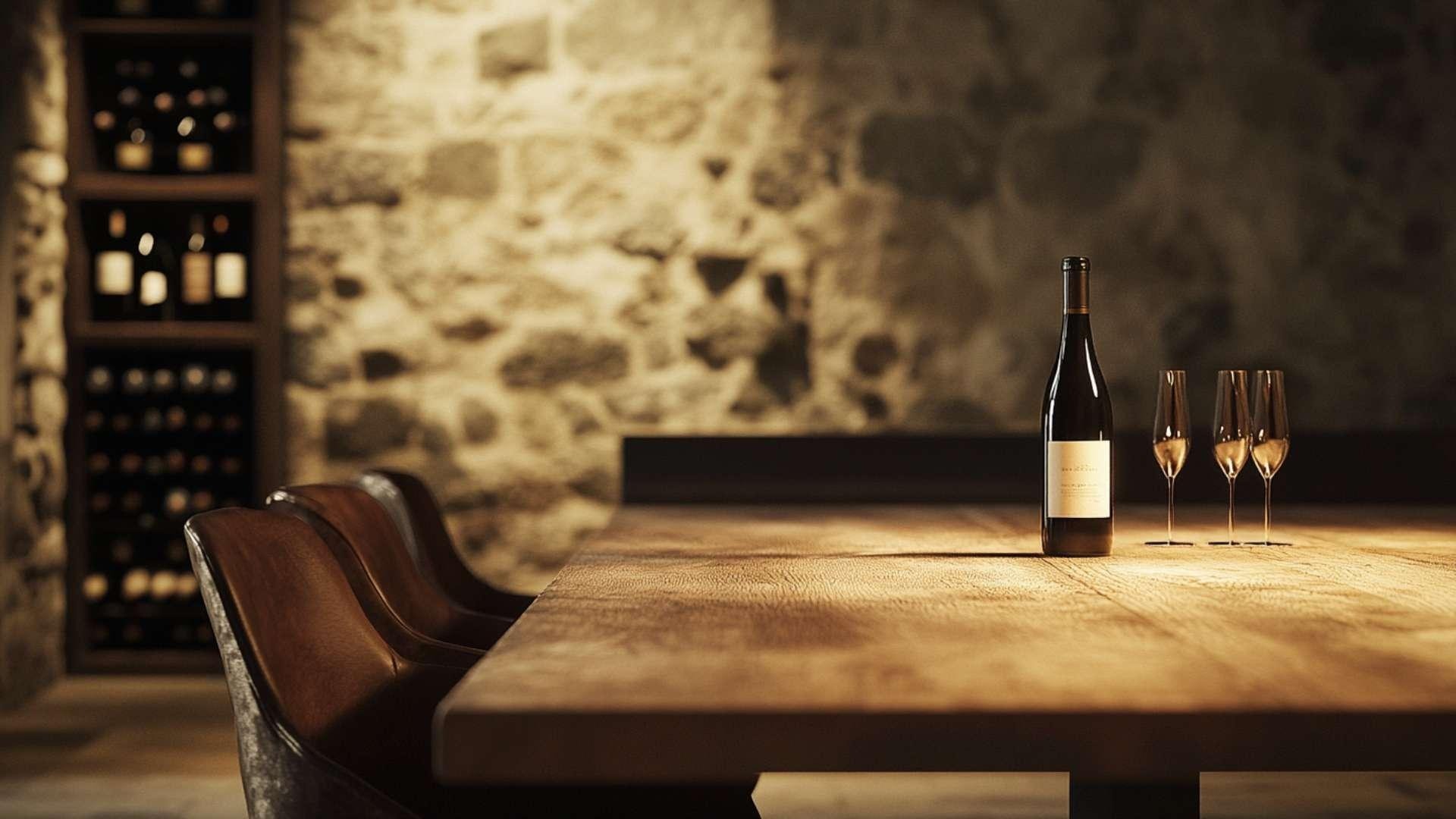
The principle is repetition over addition. When a home feels busy, it is usually because too many unrelated colours are competing at equal volume. Quiet luxury turns the volume down by echoing the same tones across different surfaces — not by introducing something new on every wall.
You do not need to repaint to begin. Group like-coloured objects together. Swap one loud piece — a garish dish towel, a bright catchall — for something that echoes your base tones. Let one room lead the palette, and let the others follow slowly.
The Material Vocabulary
If colour is the mood, materials are the vocabulary. Quiet luxury is deeply material-driven: it relies on textures that feel good in the hand and age with grace rather than fighting time.
Think of your home’s materials as a small cast of characters you return to across every room:
Linen — relaxed, breathable, a little rumpled in the best way. Napkins in the kitchen, a slipcover in the living room, a pillowcase in the bedroom. Linen improves with washing. It is one of the few materials that looks better worn.
Wool and alpaca — warmth with structure. Throws at the foot of the bed, rugs under the dining table, cushions on a reading chair. The kind of textile you reach for without thinking.
Stone — marble, travertine, soapstone. Cool to the touch, subtle veining, a sense of geological time. You do not need marble countertops to have marble in your life. A cheese board, a wine coaster, a small tray on the nightstand. Stone earns its place through tactility, not square footage.
Wood — oak, walnut, ash. Quieter stains over high-gloss finishes. A coffee table, a cutting board, a picture frame. Wood warms a room more than any paint colour can.
Glass — clear, softly weighted. Carafes, tumblers, candle vessels. Glass catches light in a way no other material does, and it costs very little to do it well.
Metal — unlacquered brass, bronze, blackened steel. Small hardware and tools, not dominant features. A door pull, a tray handle, a candle snuffer. The metals that age gracefully, developing a patina that makes them more interesting, not less.
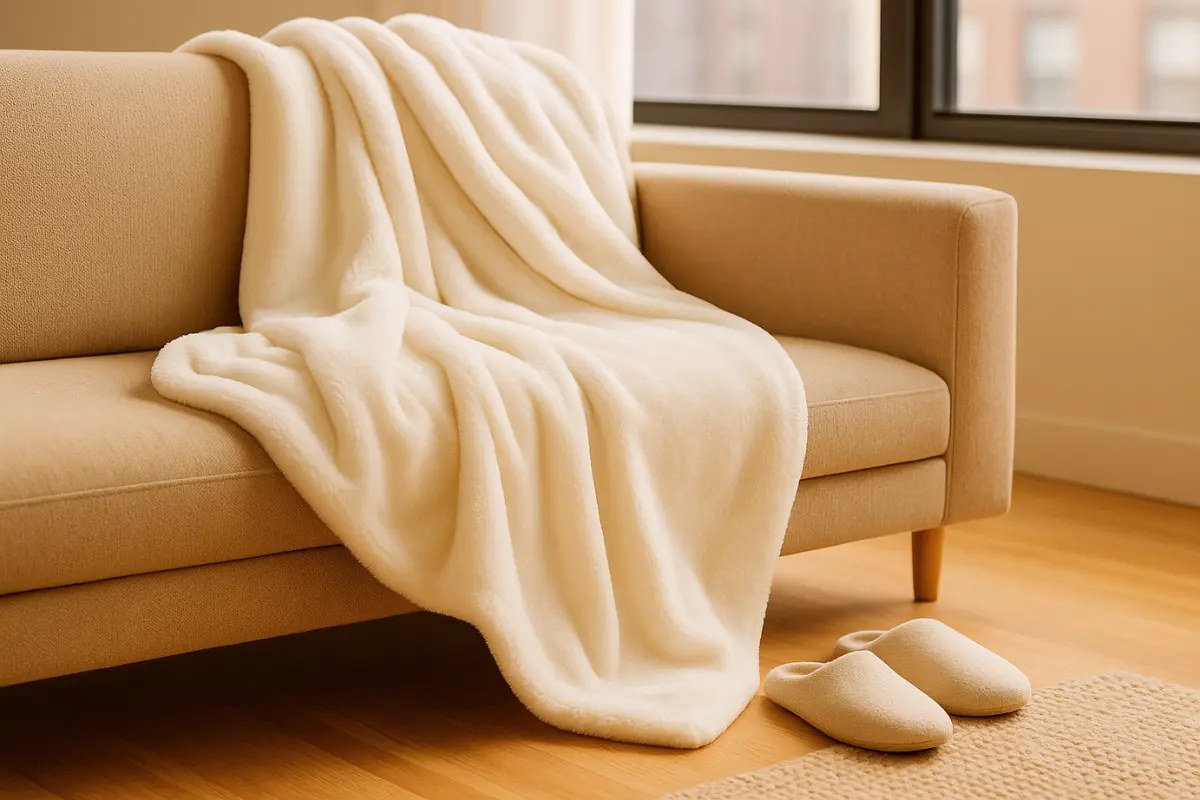
A room feels expensive when these materials are limited and repeated, not endlessly varied. Pick three or four to lean on and let them appear in different ways across the home. Linen as napkins in the kitchen and as a pillowcase in the bedroom. Stone as a wine coaster in the dining room and a tray on the nightstand. When materials repeat, the home feels coherent — even if each piece is simple, even if each piece was inexpensive.
Light as Architecture
Overhead lighting is rarely flattering. It flattens surfaces, kills shadow, and makes a room feel like a corridor — a place you pass through rather than a place you stay. Quiet luxury homes treat light the way a cinematographer treats it: as the single most powerful tool for shaping how a space feels.
The approach is layered, not centralised. A floor lamp in the corner where you read. A table lamp on the desk where you write. Wall sconces in hallways and bedrooms where a soft wash is better than a blast. And candles — always candles — for the hours when light should feel less like utility and more like warmth.
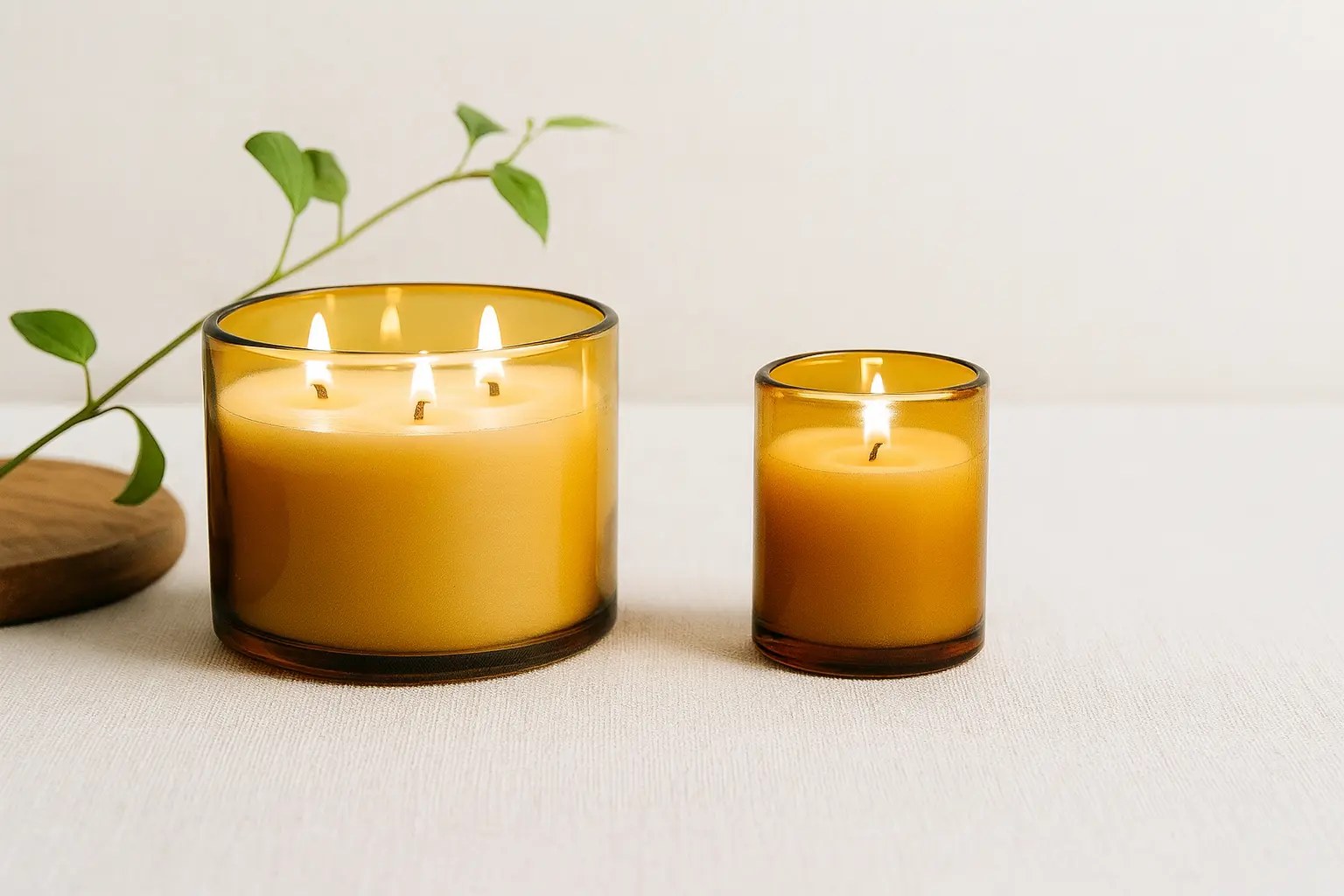
Low-level lighting changes how you behave in a room. A warmly lit corner with a low lamp and a comfortable chair draws you in. The same room lit from above by a single fixture feels like a waiting area. The difference is not cost. It is intention.
Colour temperature matters as much as the fixtures. Aim for 2700K to 3000K — warm enough to flatter skin and wood, cool enough to read by. Anything above 3500K starts to feel institutional, and institutional is the opposite of what quiet luxury is trying to achieve.
Sculptural Comfort: Furniture With Presence
Furniture in a quiet luxury home is not trying to be invisible. It is not chasing thin legs and aesthetic minimalism to the point of austerity. It has presence — earned through form, material, and craftsmanship rather than through ornament.
Rounded silhouettes. Deep sofas. Armchairs with not a sharp angle to be found. Cushions that hold their shape after years of use. The most welcome shift in recent design is that comfortable furniture has become beautiful again — and beautiful furniture has become comfortable.
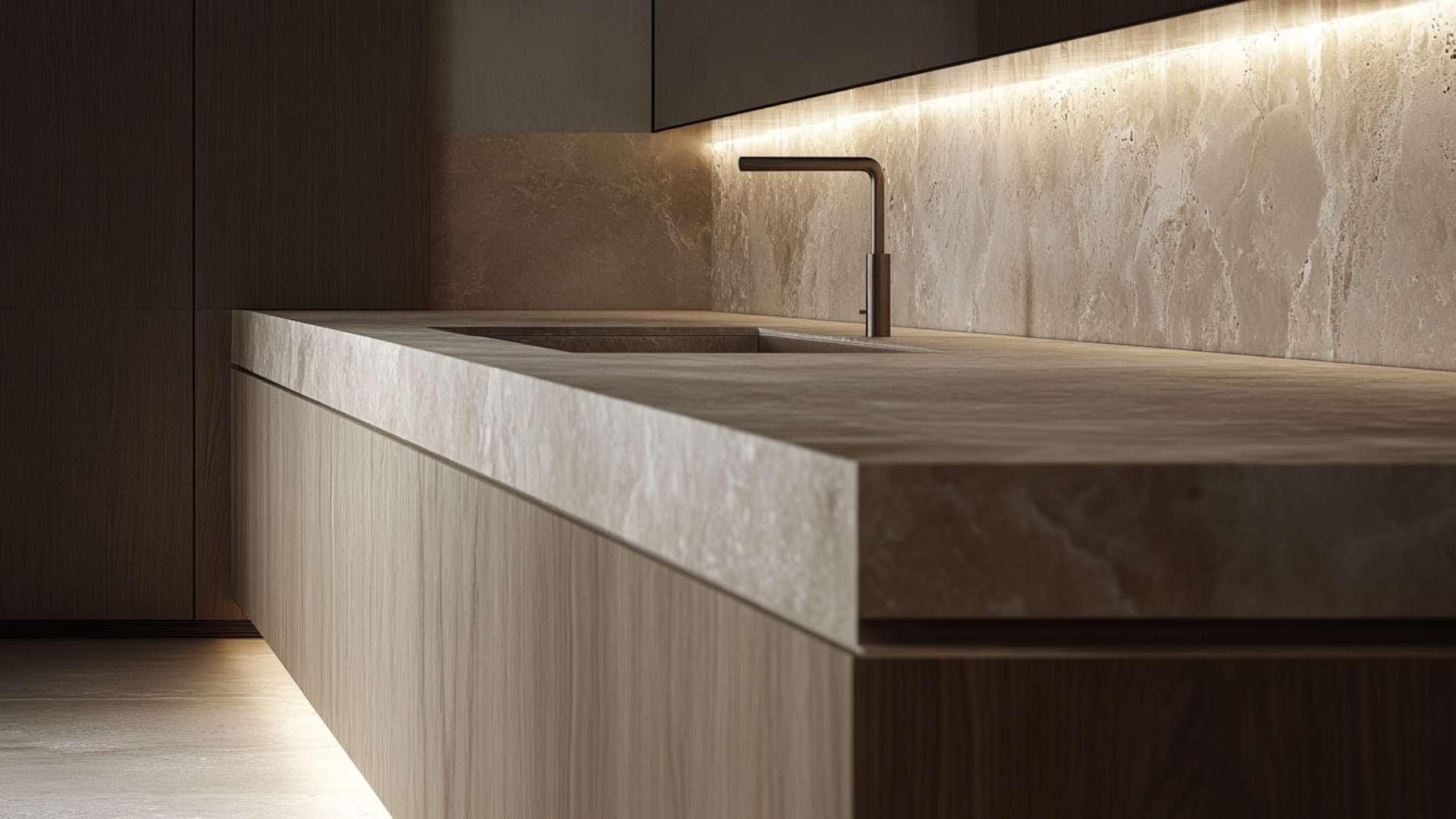
The guiding principle is quality over quantity. A few well-made pieces transform a room more than a full set of forgettable ones. This may mean buying fewer things and spending more on each. It may mean choosing one exceptional chair and letting the rest of the room orbit around it.
Curved furniture plays a specific role. Soft lines eliminate the visual harshness that makes a room feel cold. A curved sofa, a round dining table, a chair with a sweeping back — these shapes invite both movement and rest. They pair naturally with bouclé, velvet, leather, and the woods described above.
If a marble coffee table is beyond reach, bring marble in through coasters and trays. Luxury is not a threshold you cross with a single purchase. It accumulates through patient editing, one surface at a time.
Scent, Ritual, and the Unseen Atmosphere
A home is not only what you see. It is what you smell, what you hear, and how a room feels against your skin at the end of a long day. Scent is the fastest, cheapest, most underused tool for changing how a room is perceived.
One well-made candle — not a cluster of diffusers, not a plug-in — can transform a room in seconds. Cedar, sandalwood, lavender: these notes have persisted across centuries because they evoke warmth without sweetness and calm without lethargy. Pure beeswax, hand-poured, does this without artifice. The candle is not a decorative object. It is architecture made of light and scent.
But ritual extends beyond candles. It is designing for the moments that make a home worth living in: the morning coffee, the reading hour before sleep, the quiet evening with no guests.

Consider the bathroom. A sink with good lighting, a linen hand towel, a single candle, and a skincare routine you actually enjoy can turn five minutes into something restorative. The room does not need to be large. It needs to be considered.
A home that supports these rituals — with soft layered lighting, warm textiles at arm’s reach, functional zones that answer specific human needs — feels inherently luxurious because it fits the shape of your life rather than demanding that your life fit the shape of the room.
Technology That Disappears
A calm aesthetic cannot coexist with a tangle of visible wires, a row of blinking LEDs, or a television that dominates the wall when it is off. Technology in a quiet luxury home is not absent. It is invisible.
Conceal cables behind walls, under rugs, inside cabinetry. Choose devices with matte finishes and indicator lights you can dim or disable. Integrate smart speakers into shelves rather than parking them in the middle of a counter. Position screens so they do not face the main seating area, or choose a frame-style model that displays art when idle.
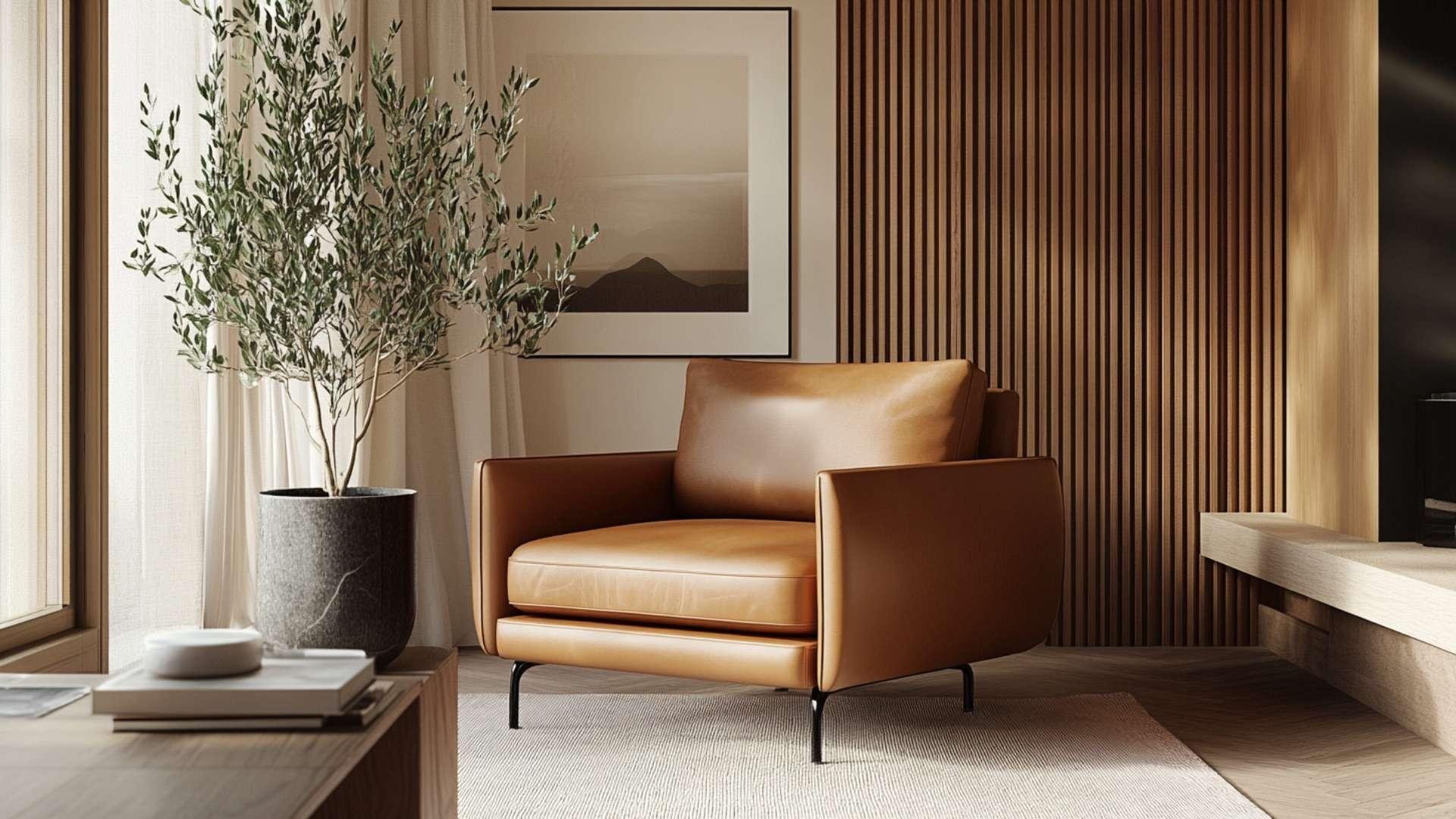
The goal is not to pretend technology does not exist. It is to ensure that technology complements the atmosphere rather than colonising it. A room where the eye cannot find a wire or a power LED reads as quieter, calmer, more expensive — regardless of what the devices actually cost.
This extends to smart home infrastructure. Modular lighting that shifts from bright directional work light to soft diffuse evening glow. Climate control that adjusts through a hidden thermostat. Sound systems that fill a room without a single visible speaker. These are not gadgets. They are systems you never have to think about — and not having to think about them is precisely the luxury.
The Principle Beneath It All
Every choice in a quiet luxury home — the surfaces, the palette, the materials, the light, the scent, the furniture, the hidden technology — serves a single idea. A home should work for the person who lives in it, not for an abstract audience that will never visit.
The most fashionable thing a room can be is not staged. Not symmetrical. Not designed to photograph well. It is lived in, considered, and quietly confident. A room where nothing shouts but everything has a reason to be there.
That reason does not have to be expensive. It has to be intentional. A linen cloth on a kitchen counter. A single candle on a nightstand. A curved chair in a corner where the light falls well. These are not luxury purchases. They are luxury decisions — and the difference is everything.
Quiet luxury is not a style you achieve in a weekend. It is a practice you refine over years, one surface at a time. Start with what you already have. Edit ruthlessly. Choose materials that age well. Let light do the heavy lifting. And above all, design for the life you actually live — not the one that looks good in a photograph.