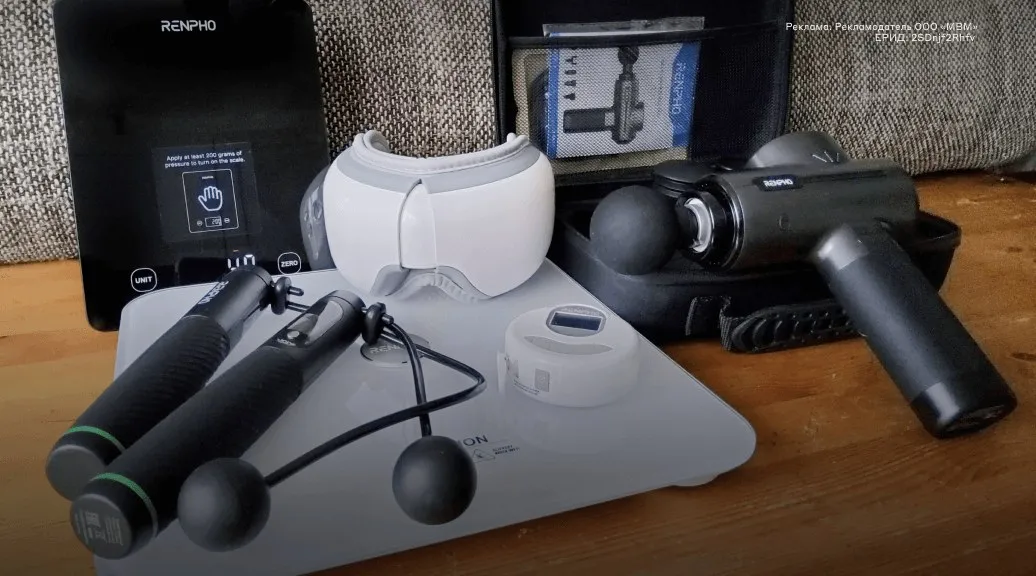
There is a particular kind of modern exhaustion that doesn’t come from labor. It comes from stillness — ten hours in a chair, eyes locked on a screen, shoulders creeping toward the ears, a refrigerator six steps away whispering promises of comfort. Hypodynamia, the doctors call it. The slow-motion atrophy of a body that sits for a living.
I know it well. For a decade, I have worked remotely — twelve-hour shifts in front of a monitor, a car for every errand, yoga twice a week if the schedule allowed. My back ached. My neck stiffened. My eyes burned. And the kitchen, perpetually within arm’s reach, made portion control a daily negotiation I mostly lost.
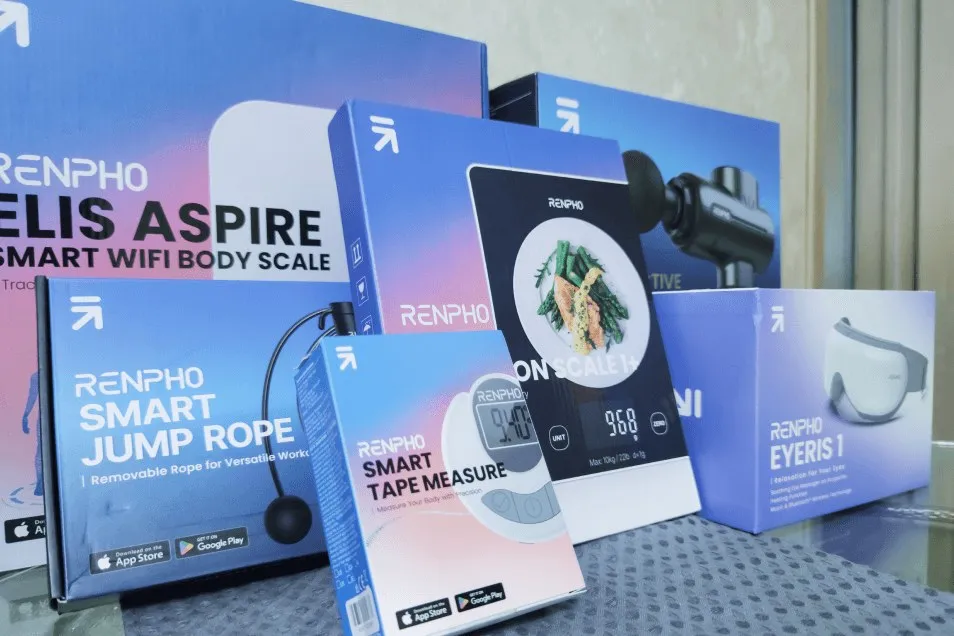
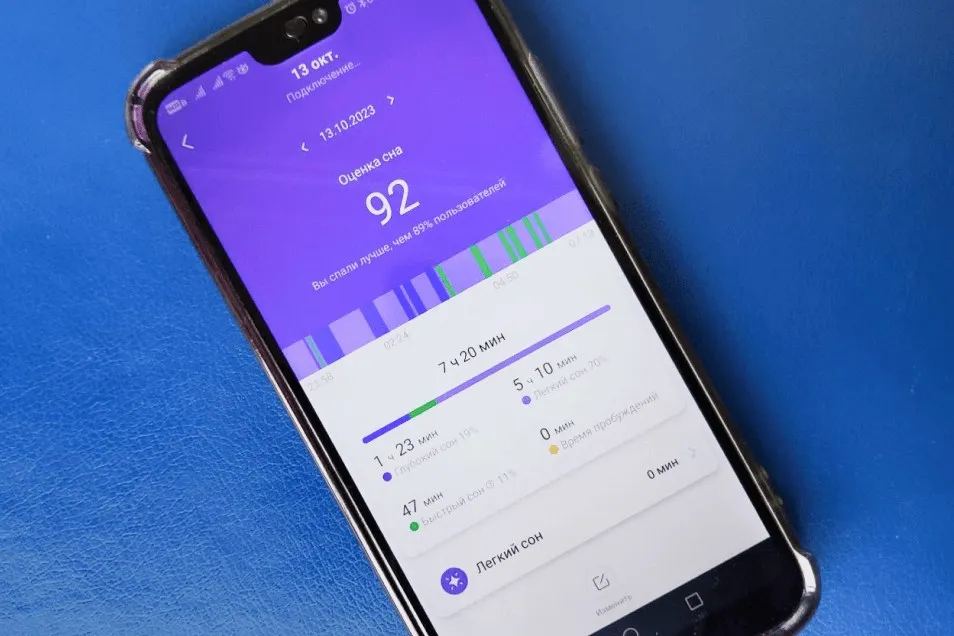
So when a set of six wellness gadgets arrived for testing — each designed to nudge the user toward measurable health habits — I approached them with cautious optimism. Not because devices can replace discipline, but because I had seen it works before. A fitness tracker once cured my chronic undersleeping, not by nagging but by showing me the numbers. The data made the problem real, and reality motivated change. Could these six devices do the same for nutrition, movement, and recovery?
What I Tested
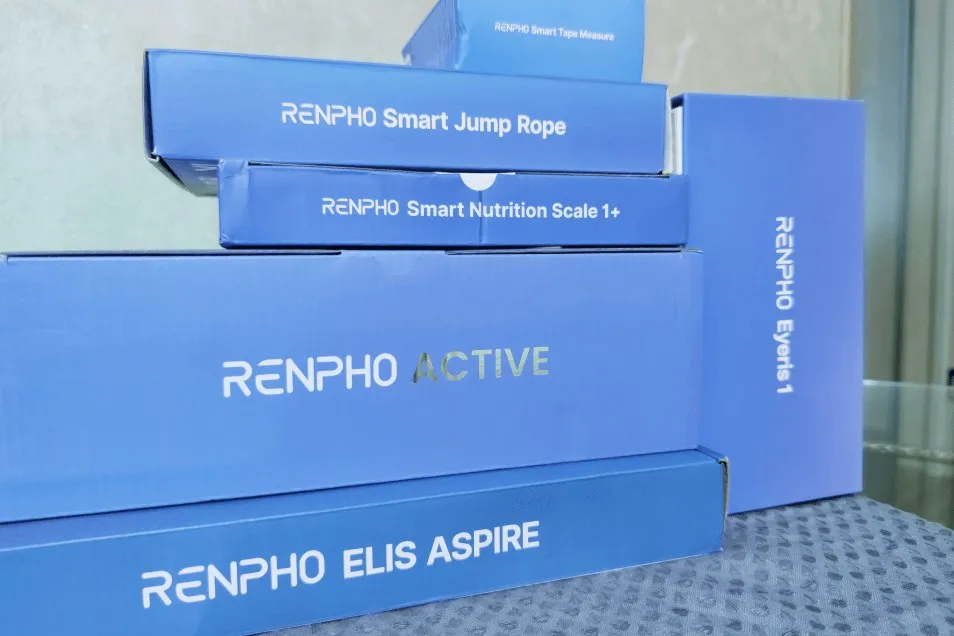
The full suite: a smart body composition scale, a smart tape measure, a percussion massage gun, an eye massager, a kitchen scale with calorie tracking, and a smart jump rope. All from the same brand, all connected through a single app, all designed around the same premise — that visible data builds invisible habits.
Kitchen Scale: Eat Less, Know More
Goal: Control portions. Rating: 4/5
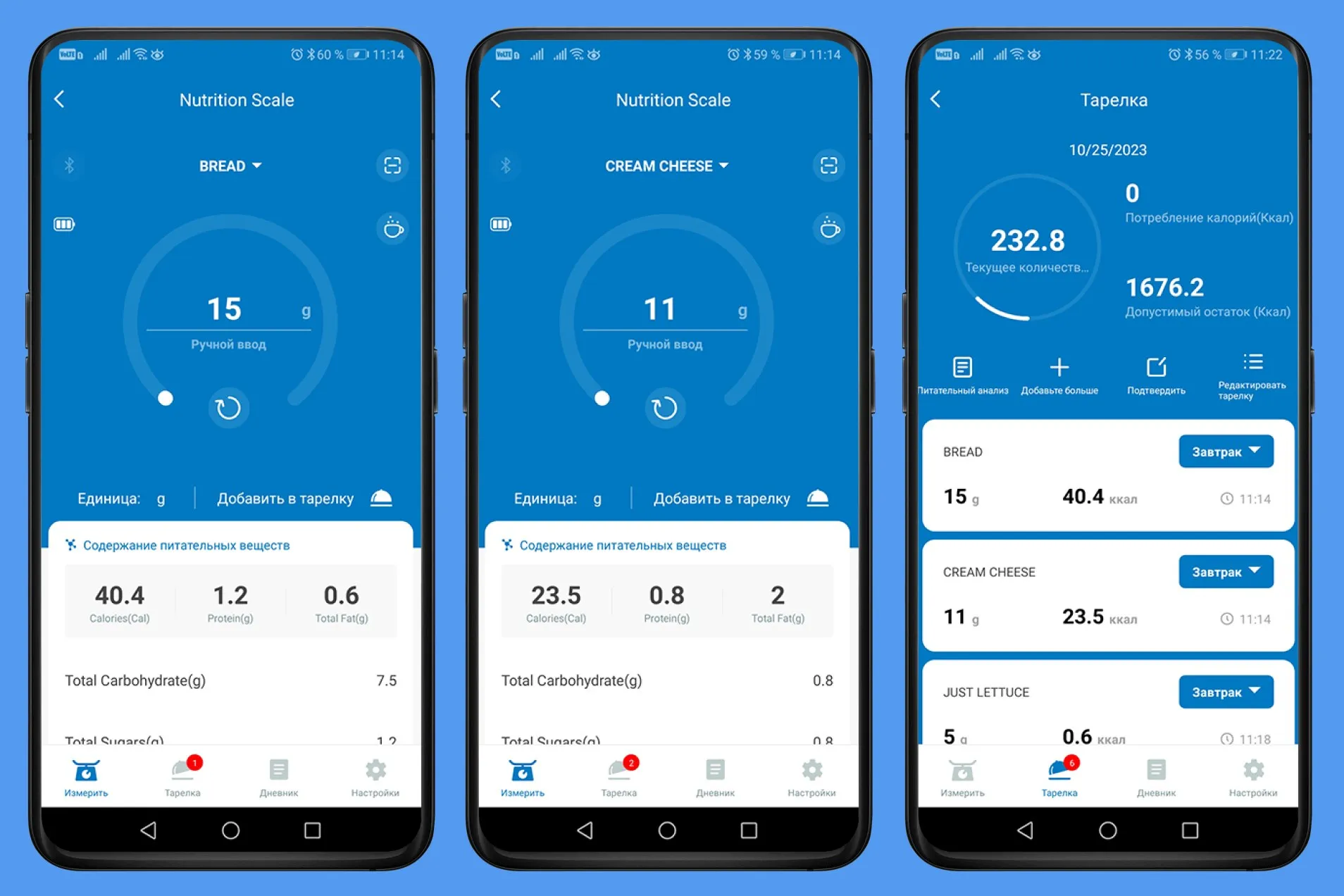
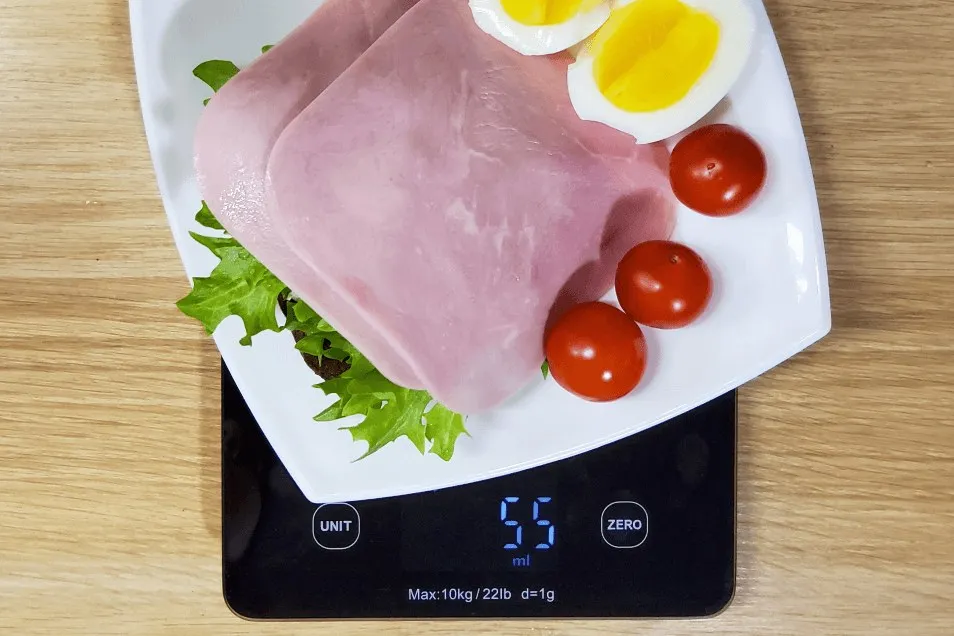
The kitchen scale fascinated me most. You place food on the platform, select the ingredient in the app, and instantly see its caloric value and macronutrient breakdown — protein, fat, carbs. No manual logging, no second app, no arithmetic. For single-ingredient meals — bread, eggs, rice, chicken, vegetables — it worked beautifully. The morning routine of weighing breakfast became a small ritual, almost meditative.
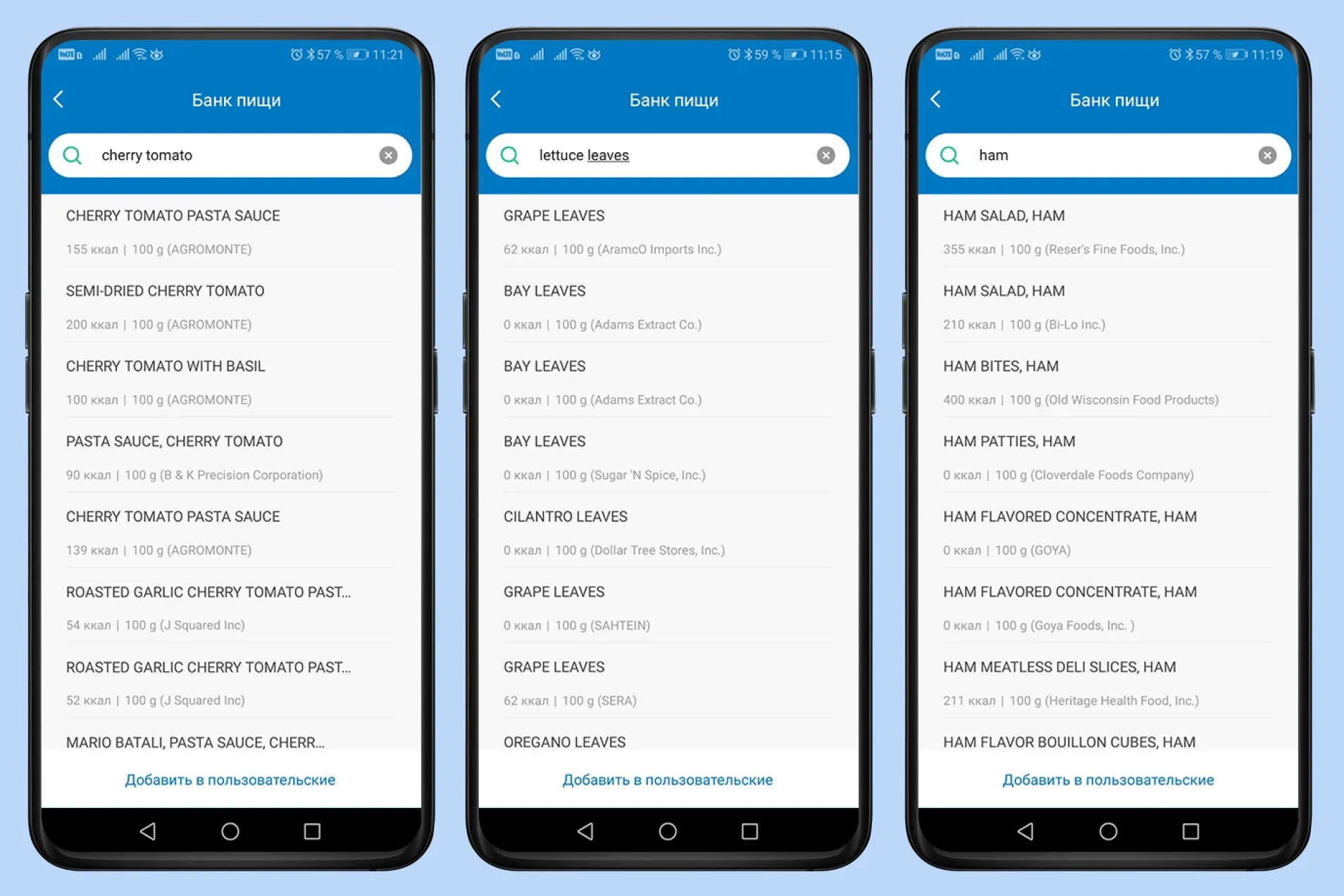
The complication arrives with complex dishes. A bowl of risotto or a slice of bakery cake doesn’t exist in any product database. You approximate, guess, or enter the components separately. The app’s food database also wasn’t localised — searching for cherry tomatoes returned tomato sauce, and ham queries produced bouillon cubes. You need basic English and patience. But the core function — making portion awareness frictionless — delivered. Within two weeks, my breakfasts halved in size without any feeling of sacrifice.
Smart Jump Rope: Movement Without the Gym
Goal: Move more. Rating: 4/5
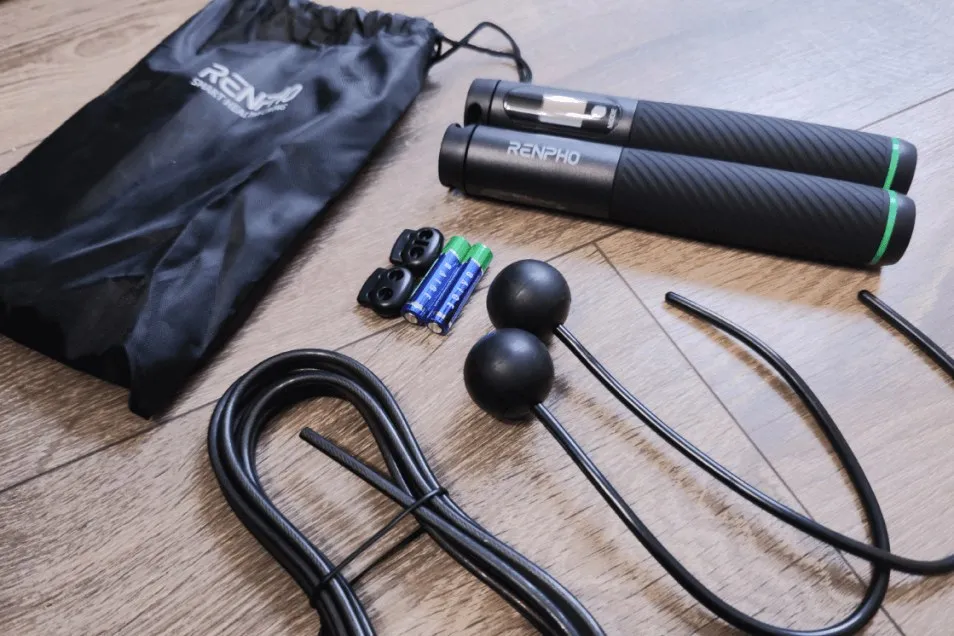
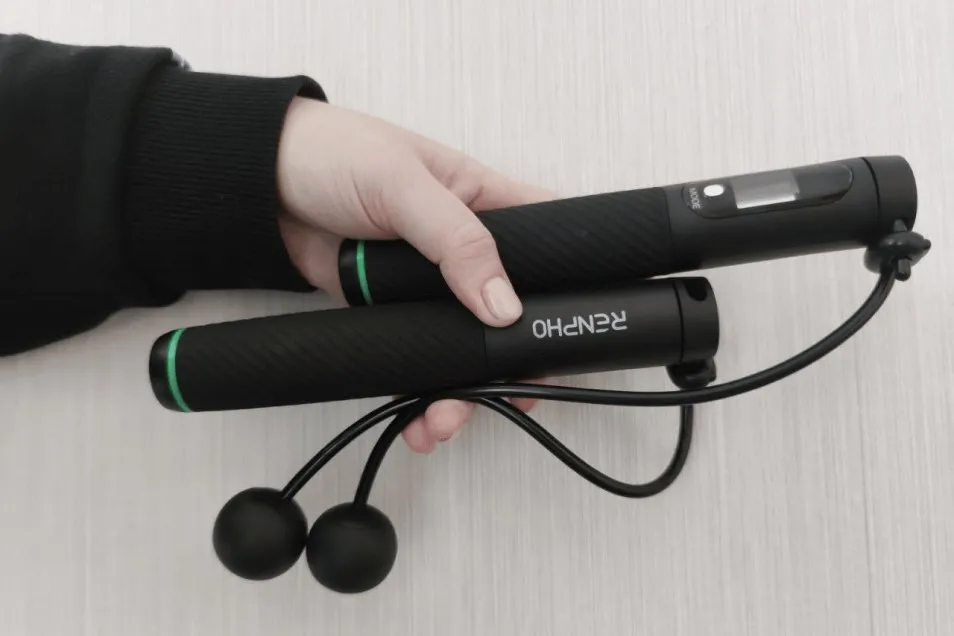
Cardio and I have never been close friends. But the smart rope offered something the gym never could: privacy, three-minute sessions, and immediate feedback. The handles accept either a full rope or short weighted ball attachments — a brilliant design choice for small apartments where a swinging cord would demolish the light fixtures. I used the balls exclusively.
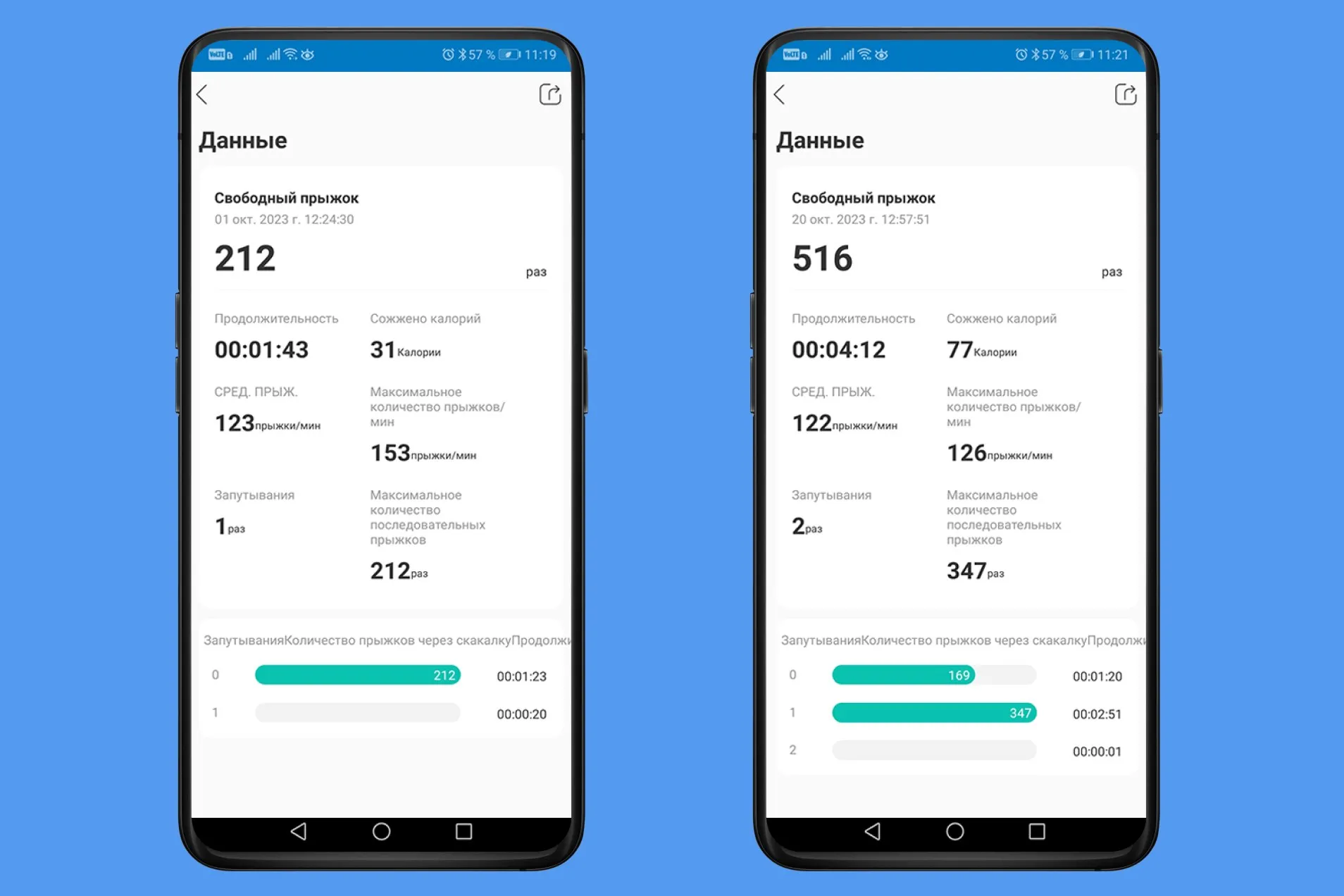
Three built-in programs cover free counting, timed intervals, and target rep counts. I started with the simplest — just count jumps — and within a fortnight something shifted. Sessions lengthened. Reps climbed. The post-workout collapse into the armchair receded from two minutes to ten. Seeing the numbers climb each day in the app made progress undeniable, and undeniable progress is the most powerful motivational tool ever invented.
Percussion Massager: The Favorite
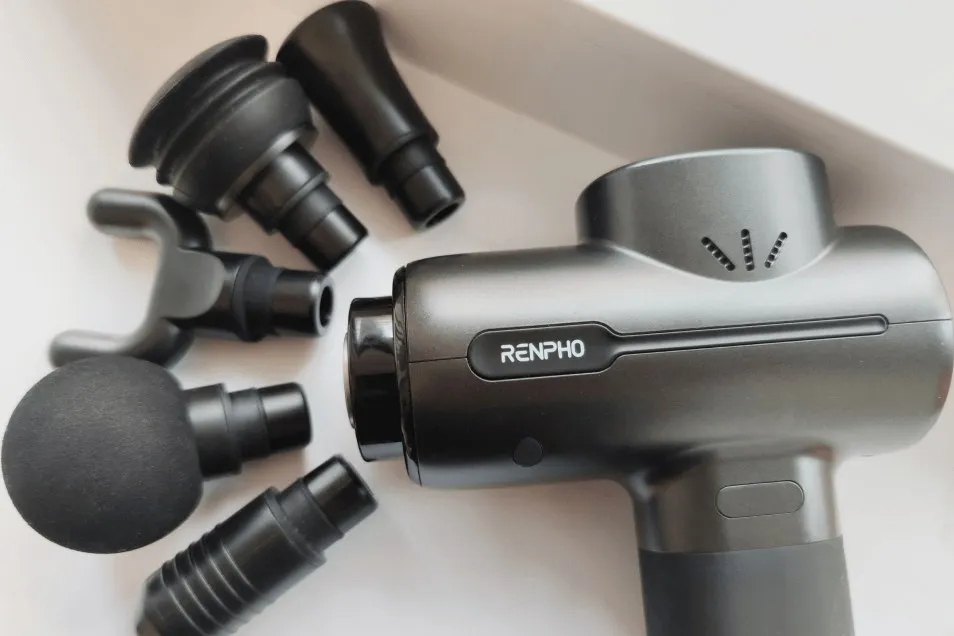
Goal: Feel better. Rating: 5/5
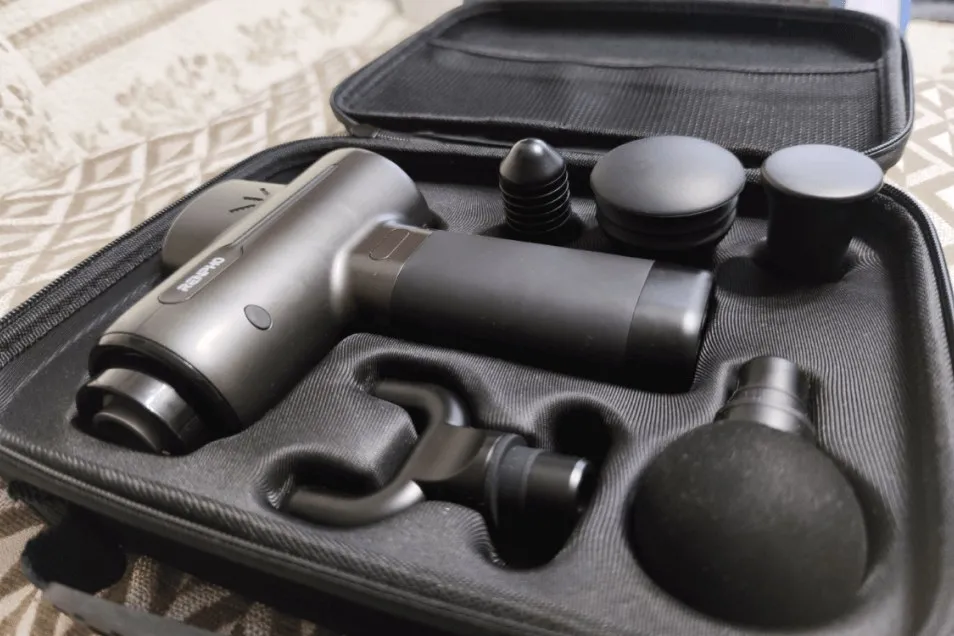
Of all six devices, this one earned a permanent place in my routine. After a day at the desk, my back doesn’t ache — it protests. Stretching helped, but five to ten minutes with the percussion gun at medium intensity dissolved tension that no amount of downward dog could reach. The device comes with five attachments, from a soft foam ball to a rigid plastic point. I used the firm one for myself and the gentler heads on family members — even the children asked for their turns.
Five speed settings cater to every tolerance level. The carrying case is genuinely well-made, with molded slots for every attachment. Nothing rattles, nothing gets lost. It is the kind of product design that silently communicates respect for the customer.
Eye Massager: Almost Perfect
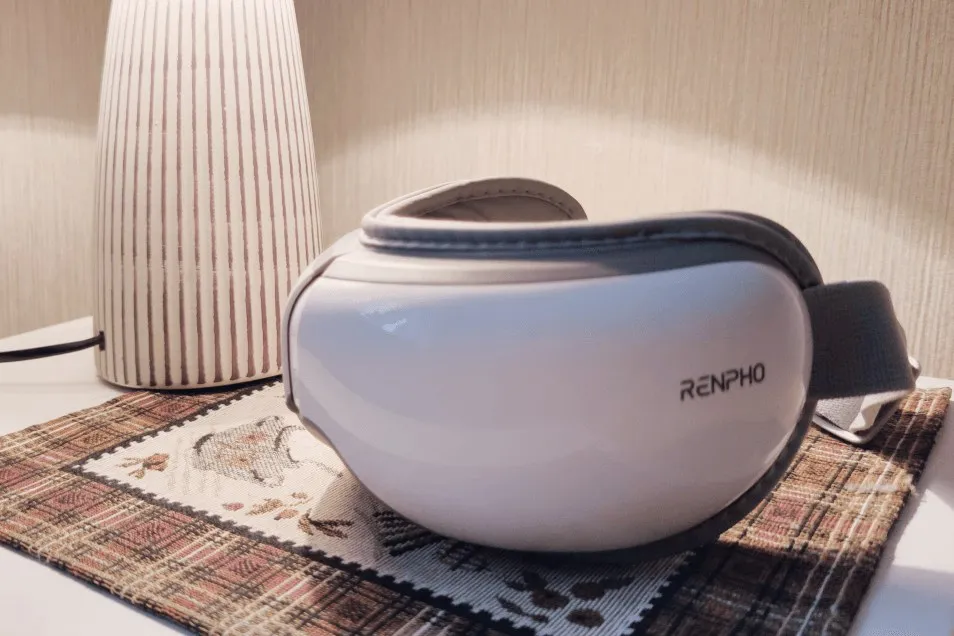
Goal: Soothe screen-tired eyes. Rating: 3.5/5
The concept is sound: gentle heat and rhythmic vibration around the orbital area, designed to release the tension that accumulates from hours of screen exposure. And the massage itself works — eyes do feel lighter afterward. The problem is acoustic. The motors produce a persistent buzz that pairs uneasily with the built-in relaxation music, creating a soundscape closer to a refrigerator than a spa. Falling asleep during the session proved impossible; falling asleep immediately after worked every time.
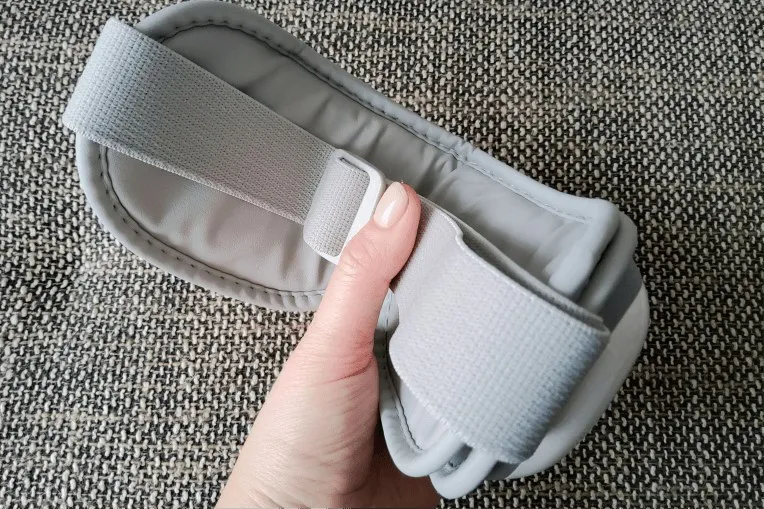
A secondary grievance: the vinyl facial interface is hygienic but uncomfortable against bare skin. A removable velour cover would elevate this device from good to great. Also, the microUSB charging port feels archaic in a household where everything else has migrated to USB-C.
Smart Scale and Tape Measure: The Data Foundation
Goal: Track what matters. Rating: 4.5/5
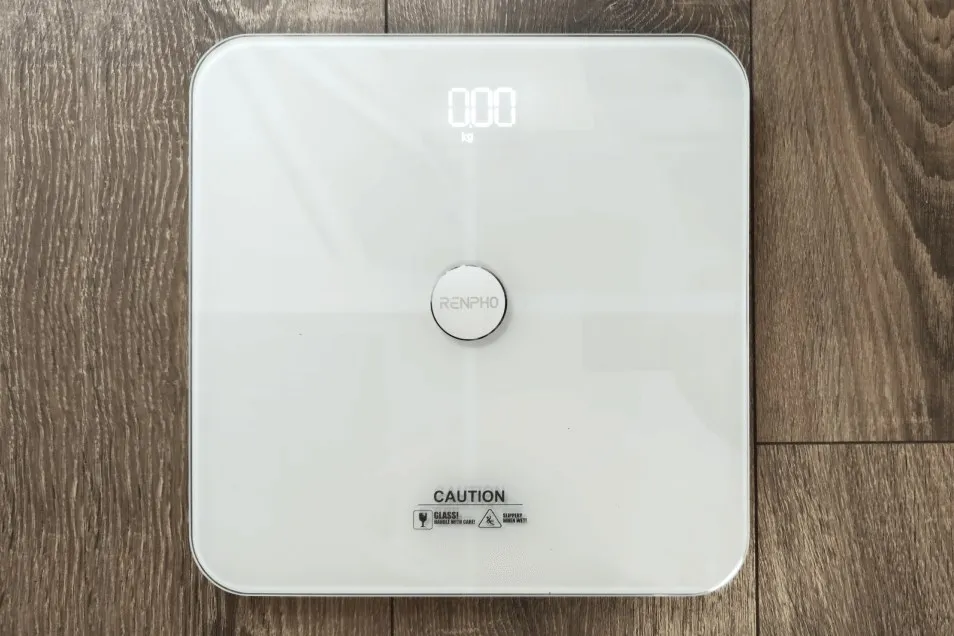
Weight alone is a poor metric — it fluctuates daily based on hydration, sodium, and circumstance. Body composition — the ratio of fat, muscle, and bone — changes slowly but meaningfully. The scale measures this through a harmless electrical impulse through the feet, and the app charts the trend over weeks. The first visible shift appeared after a month, which is precisely the kind of timeline that prevents people from quitting too early.
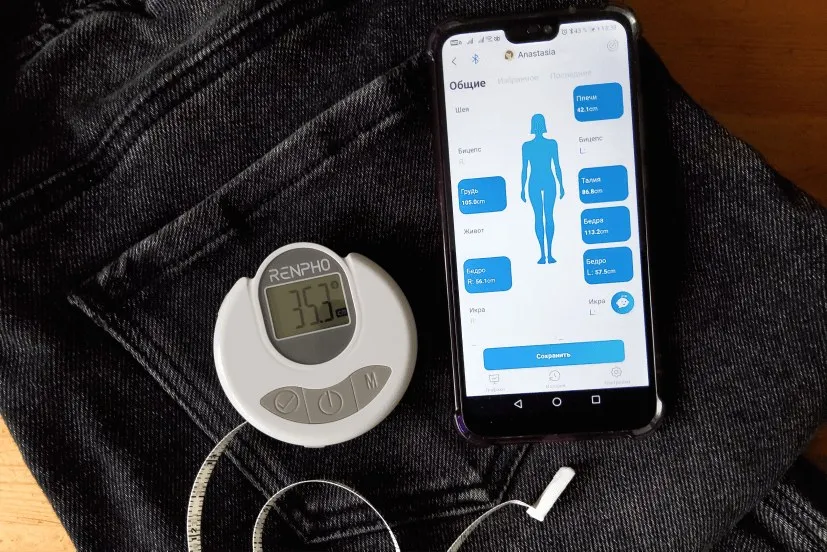
The tape measure was the surprise hit. Seeing minus three centimeters at the waist after two weeks — even without dramatic weight change — provided the kind of concrete proof that keeps you going. It also doubled as an online shopping tool: with exact measurements stored in the phone, ordering clothes in the correct size became effortless. First-try jeans fit — a minor miracle.
What One Month Actually Changed
No dramatic before-and-after photos. No overnight transformation. What happened instead was quieter and more durable: portions shrank, jump counts climbed, back pain eased, and measurements shifted in the right direction. The scales said I weighed slightly less. The tape said I was slightly leaner. My body said it felt slightly better.
The gadgets didn’t do the work. I did. But they made the work visible — and visibility is the bridge between intention and habit. Seeing the numbers, charting the trend, watching the curve — that is what converts a thirty-day experiment into a lifestyle adjustment.
The Shortcomings
The list of flaws is brief and mostly software-related. Google account login isn’t supported — full email registration is required. The food database isn’t localised, limiting the kitchen scale’s usefulness for non-English-speaking users. That’s essentially it.
What Impressed
The hardware exceeded expectations. Every device felt like it cost more than it did. The percussion massager came in a fitted hard case, not vacuum-formed plastic. The jump rope included a cloth pouch and spare end caps. Batteries were pre-installed in every device that needed them — a small courtesy that most manufacturers skip, but one that means you can start using a product the moment it leaves the box rather than making a trip to the store first.
The unified app ecosystem was the real achievement, though. All six devices pair through a single application, some via both Bluetooth and Wi-Fi simultaneously. Setup takes ten seconds: enable Bluetooth, open the app, power on the device — done. No pairing modes, no codes, no frustration. The Wi-Fi support means you can weigh yourself in the bedroom while your phone charges in the kitchen, and the data still syncs. Thoughtful engineering applied to unglamorous problems.
The Verdict
If I had to keep four of the six, I would keep the body composition scale, the kitchen scale, the percussion massager, and the jump rope. The eye massager is good but needs refinement. The tape measure is pleasant but non-essential. The collection as a whole — if you have the motivation — genuinely helps. Not by doing the work for you, but by making the work visible, measurable, and quietly encouraging.
And that, it turns out, is enough.