Why Your Pet Prefers the Cardboard Box Over the Smart Toy
The Great Pet Toy Paradox
Every pet owner knows the scene: you spend a small fortune on an interactive, app-controlled, laser-equipped wonder-toy, only to watch your cat yawn at it and wander off to chase a crumpled receipt. It’s a universal experience that leaves us scratching our heads while our furry friends find infinite joy in the most mundane objects.
The pet toy industry is booming, but the marketing promises rarely match the reality of what actually captivates our cats and dogs. What looks brilliant on the shelf often ends up gathering dust in the corner, while your loyal companion gleefully demolishes an empty cardboard box.

The Marketing Trap
Pet supply companies have become masters at creating compelling narratives. They show us videos of ecstatic dogs and laser-focused cats completely absorbed in their clever gadgets. The packaging promises hours of entertainment, cognitive development, and boundless joy. The reality, however, tends to be somewhat different.
Most interactive toys sound brilliant in theory, but theory rarely accounts for the unique personality of your particular pet. What excites one dog leaves another completely indifferent, and what captivates one cat sends another hiding under the sofa. The marketing tells you what should work, but your pet has a very different opinion.

The Self-Rolling Ball
One of the most popular interactive toys features a ball that rolls around on its own, either continuously or upon being touched. It seems like the perfect way to get your cat chasing and pouncing, but the reality is often disappointing.
In the vast majority of cases, the cat watches the rolling ball with mild curiosity, gives it a tentative sniff, maybe taps it once with a paw, and then completely loses interest. Some cats are genuinely frightened by the unpredictable movement and won’t go near it. Even when a cat does have an initial burst of enthusiasm, the novelty quickly fades, and the ball becomes just another forgotten object on the floor.
Dogs, particularly larger breeds, respond even less enthusiastically. A small dog might try to chew on it, but most simply ignore it completely. The self-rolling ball joins the ranks of well-intentioned purchases that fail to deliver on their promises.

The Treat Dispensing Toy
The concept is clever: the dog must place a ball into a mechanism to receive a treat reward. It sounds like engaging puzzle-solving, but the execution reveals significant flaws.
Dogs are not fools, especially where food is concerned. Once they understand the mechanical relationship between action and reward, they quickly begin to “game the system.” They will endlessly place and retrieve the ball, hoping to maximize their treat supply. The owner quickly tires of the constant interruptions, and the dog becomes frustrated when the reward flow slows or stops.
Worse still, these toys do nothing to develop the dog’s cognitive abilities. Unlike actual problem-solving puzzles, this is simply repetitive mechanical action in exchange for food. The dog learns nothing and the entertainment value is extremely limited.

The Snuffle Mat for Hyperactive Dogs
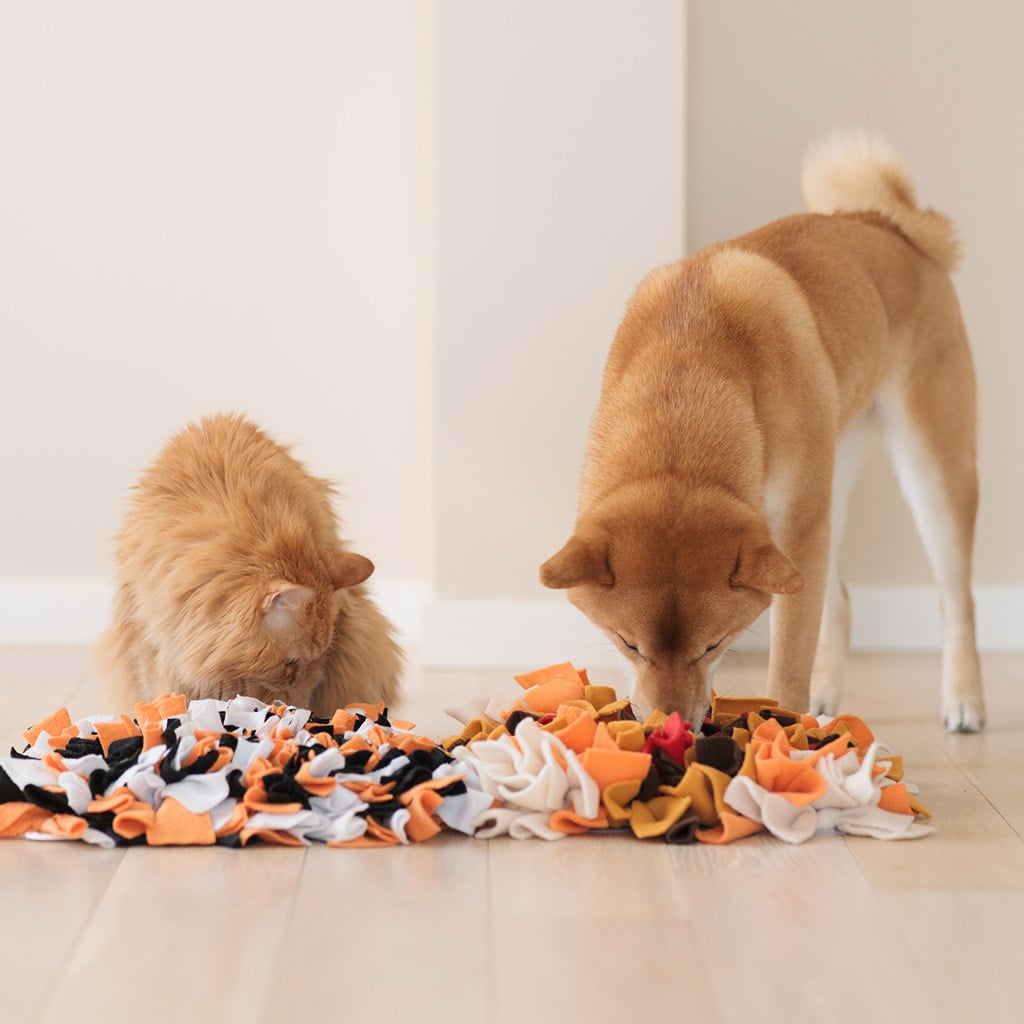
Marketing claims suggest that fifteen minutes of snuffling on one of these mats can replace a full hour of walking. For anyone who has ever owned a truly energetic dog, this claim is laughable on its face.
If you have a genuinely active, strong-jawed dog, the mat itself will likely be destroyed within minutes. Instead of patiently searching for hidden food, the dog grabs the mat and shakes it violently, sending the treats flying everywhere. Within moments, the mat is in tatters and the dog is looking for its next source of entertainment.
For less energetic dogs, the question becomes even more perplexing: why make a calm dog work so hard for food that could simply be given in a bowl? The logic is convoluted, and the practical benefit is minimal.

The Truth About Physical vs Mental Exercise
The marketing claim about mental stimulation replacing physical exercise is fundamentally flawed. An active dog has physical energy that must be released through movement. No amount of nose work or puzzle-solving can replace a proper walk, run, or play session.
What the snuffle mat and similar passive toys offer is mental stimulation, which is certainly valuable, but it serves a different purpose entirely. It can calm the mind and provide focus, but it will never replace physical activity. The claim that it “replaces” an hour of walking is simply inaccurate.

Why Simple Objects Beat High-Tech Toys
There is a profound, almost philosophical reason why pets prefer cardboard boxes to expensive interactive toys. Animals are immune to marketing—they simply don’t care about the promises made on the packaging.
A cardboard box is endlessly fascinating because it is unpredictable. It becomes a hiding place one minute, an ambush point the next, a scratching post, and an object to chew and explore. It rustles, it changes shape, it can be pushed around the room. Each interaction reveals something slightly different.
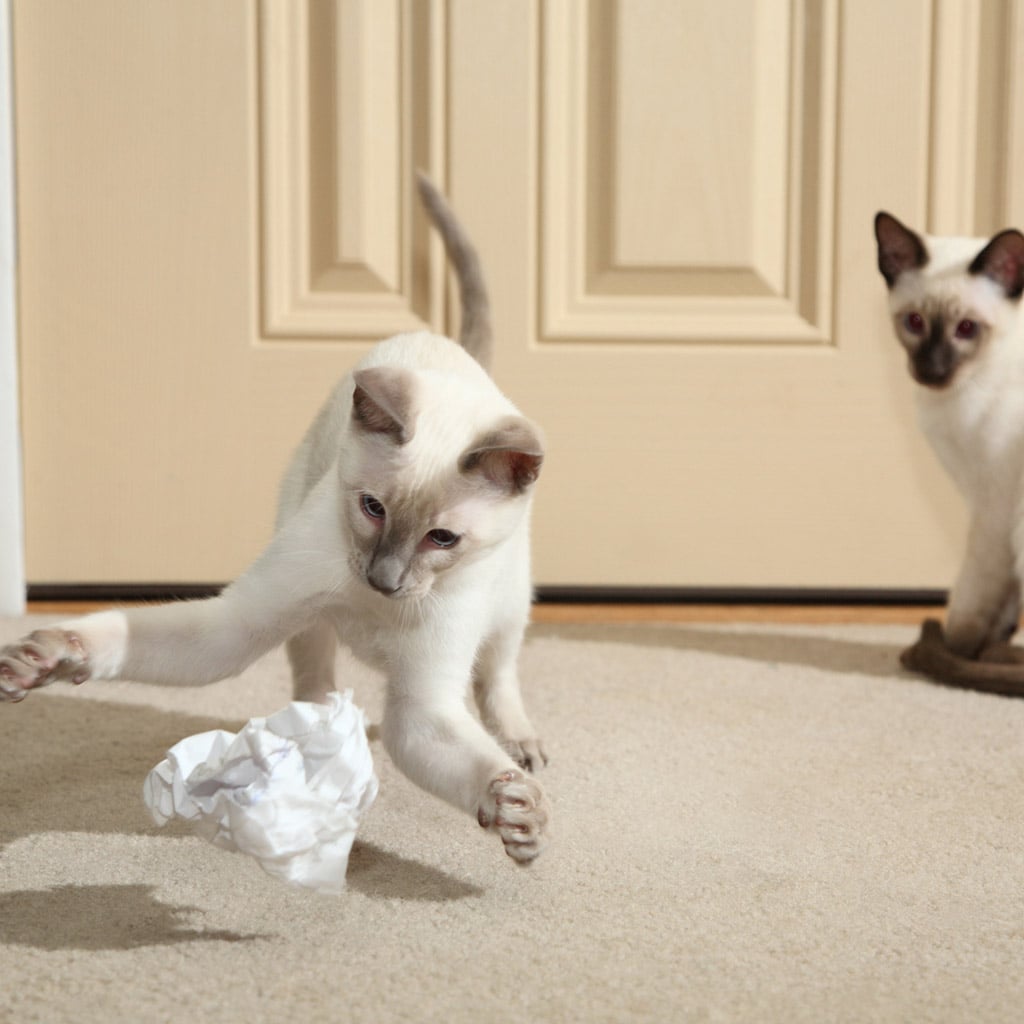
The crumpled wrapper moves chaotically, catching air currents and requiring the cat to leap and stretch to catch it. The paper bag offers a perfect combination of exploration and concealment. These simple objects offer variety that no pre-programmed toy can match.
The interactive toy, by contrast, is fundamentally predictable. Even if it has multiple functions, the animal quickly learns its patterns. Once the novelty fades, the toy offers nothing new, and the animal’s interest evaporates.

The Two Gadgets That Actually Work
While most interactive toys disappoint, there are two categories that consistently succeed—though only one is truly a toy.
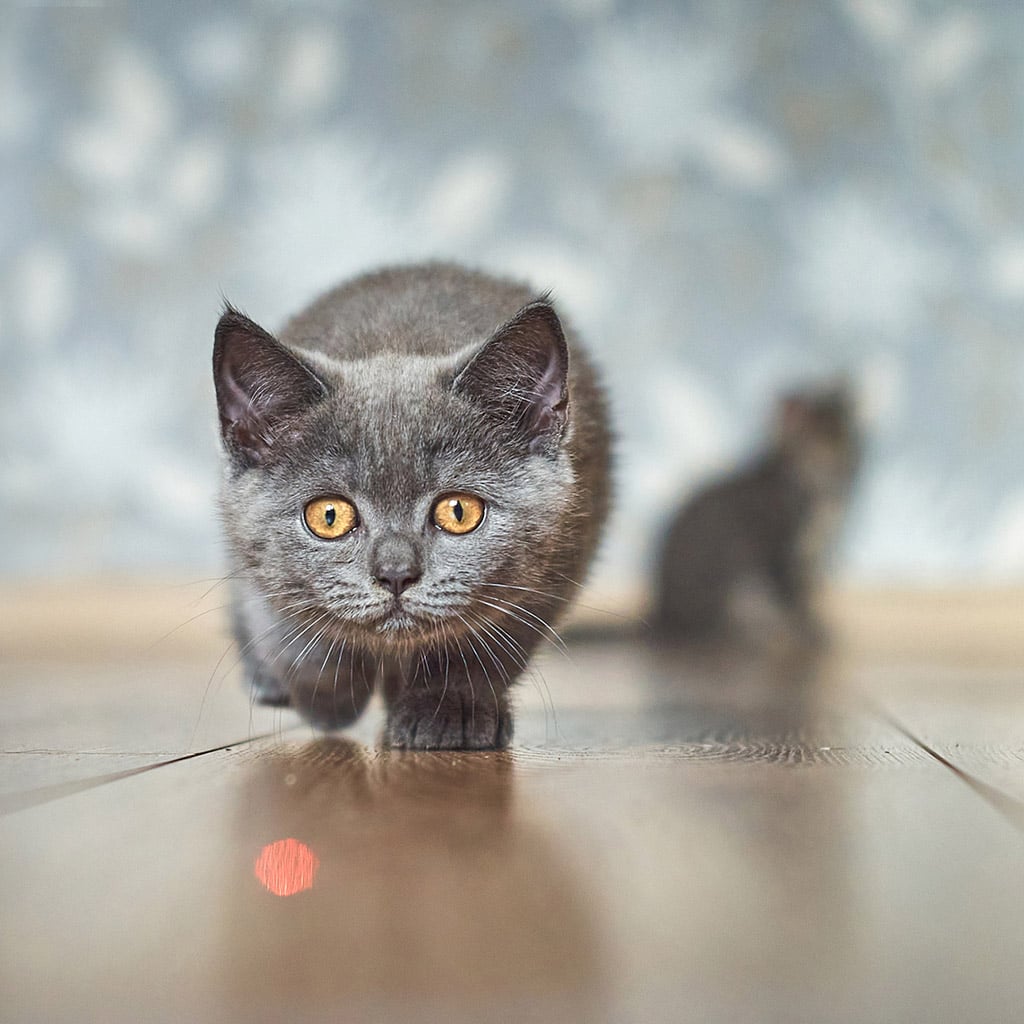
The Automatic Laser Pointer is the exception to the rule. Most cats simply cannot resist the erratic red dot, and the automatic versions offer hours of entertainment with minimal owner involvement. The key is the unpredictability: the programmed patterns keep the cat guessing and provide genuine hunting simulation.
However, owners should exercise caution about where the laser points to avoid damaging household items like televisions, lamps, or curtains. Models with timers and adjustable speeds offer the most control and the safest experience.
The Pet Camera System is more of a tool than a toy, but its value is undeniable. This gadget functions as a two-way communication device, enabling remote interaction, feeding, and observation.
The benefits extend far beyond entertainment: remote training, monitoring elderly pets, checking on multiple animals, and even investigating who is truly causing the mischief. The ability to speak to your pet when you’re away helps reduce separation anxiety and ensures you always know what’s happening at home.

What Your Pet Really Needs
The most important lesson to take away from the world of pet gadgets is that no toy can replace your attention, your affection, and your presence. Pets crave interaction, playtime, and the simple experience of being with their humans.
When choosing toys for your pet, observe their behavior first. Some cats are hunters, some are puzzle-solvers, some are cautious observers. Some dogs love to retrieve, others prefer to wrestle, some are food-motivated, some aren’t interested in food at all.
Consider your pet’s age, energy level, and personality. An old arthritic cat won’t enjoy the same toys as a young agile kitten. A giant breed dog won’t be interested in toys designed for small breeds.
Practical Advice for Choosing Toys
Buy toys that encourage your pet’s natural instincts. Mousing toys that move unpredictably appeal to the hunter in every cat. Tunnels provide excellent excitement for energetic cats who love to hide and pounce. For dogs, consider your feeding routine carefully: puzzle toys can be excellent if your dog genuinely enjoys the problem-solving, but if they become a source of frustration, they’ll quickly be abandoned.
Never leave a new toy unsupervised until you’ve seen how your pet interacts with it. Some items will be destroyed within minutes, and ingestion of small parts can be dangerous. Remove damaged toys immediately.

The Conclusion
The pet toy industry is built on an infinite cycle of promises and disappointments. But the truth is simpler and far more reassuring: your pet doesn’t need expensive gadgets to be happy. They need you. They need your time, your attention, and the simple, unpredictable, ever-changing joy of interacting with you and the world around them.
Every cardboard box is a mystery. Every paper bag is an adventure. Every moment spent playing with you is a treasure. The best toy you can ever give your pet is your presence—and perhaps a really good cardboard box.