France doesn’t do beaches by half measures. One coast drinks from the Mediterranean’s turquoise waters; the other wrestlers with the Atlantic’s restless swell. In between, you get pink granite in Brittany, volcanic black sand in Corsica, and enough oyster shacks to keep the entire continent fed. We sifted through hundreds of shorelines to surface the 15 that actually matter — the ones that’ll make you cancel your flight home.
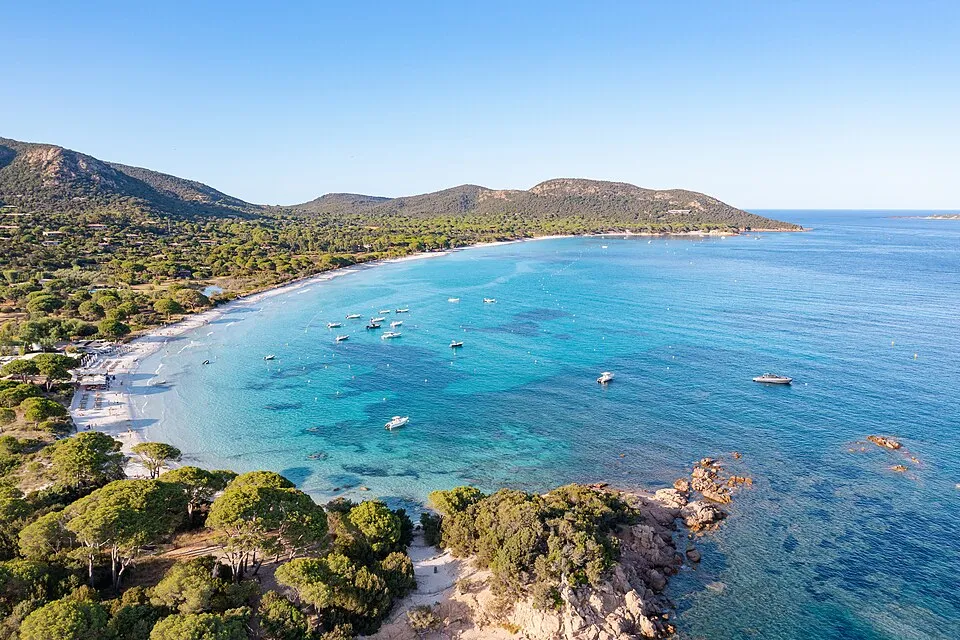
1. Palombaggia, Corsica — The Caribbean Illusion
If someone blindfolded you and dropped you here, you’d swear you were in the Turks and Caicos. Crystal-clear turquoise water, powder-white sand, and fragrant umbrella pines leaning over the shore like they’re posing for a painting. The Cerbicales Islands hover on the horizon, giving the whole scene an impossible dreaminess.
What makes it special: The water clarity is unreal — you can see fish swimming around your ankles. Beachside restaurants serve Corsican charcuterie and local cheeses that make you forget pasta exists. And at sunrise, the Tyrrhenian Sea turns a shade of pink that no filter has ever captured honestly.
2. Côte des Basques, Biarritz — Europe’s Surfin’ USA
This is where European surfing was born — literally. In 1957, Peter Viertel arrived on these shores with a board he’d shaped in California, and the Basque coast hasn’t been the same since. The waves here are consistent, dramatic, and framed by cliffs so theatrical they belong in an opera.
What makes it special: The Bay of Biscay delivers year-round swells suited for every level. Multiple surf schools line the sand, and annual competitions draw the sport’s elite. Come at sunset — the light hits the cliffs and water in a way that makes professional photographers weep with gratitude. Biarritz itself adds Basque culture, haute cuisine, and Belle Époque architecture to the mix.
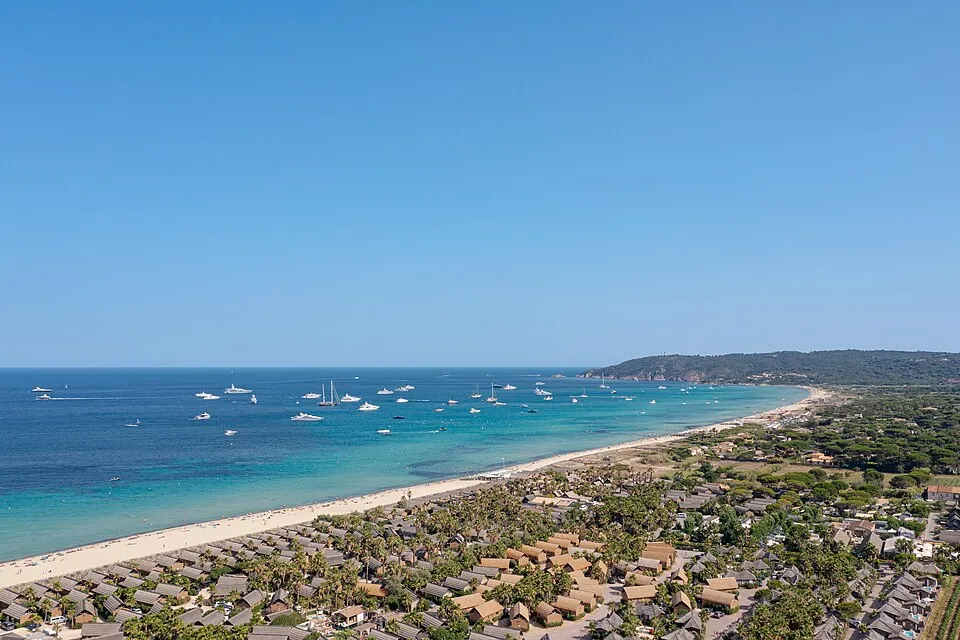
3. Pampelonne, French Riviera — Where Glamour Gets a Tan
Pampelonne is three kilometers of golden sand that doubles as a runway — for yachts, for supermodels, for the kind of people who make reservations at beach clubs six months in advance. This is Saint-Tropez’s crown jewel, and it wears it with swagger.
What makes it special: The beach clubs here are legendary — think white linens, rosé on ice, and DJs who understand the difference between ambiance and assault. The water is impossibly clear, and the crowd-watching alone is worth the trip. Shoulder season (May, September) delivers the same beauty with half the attitude.
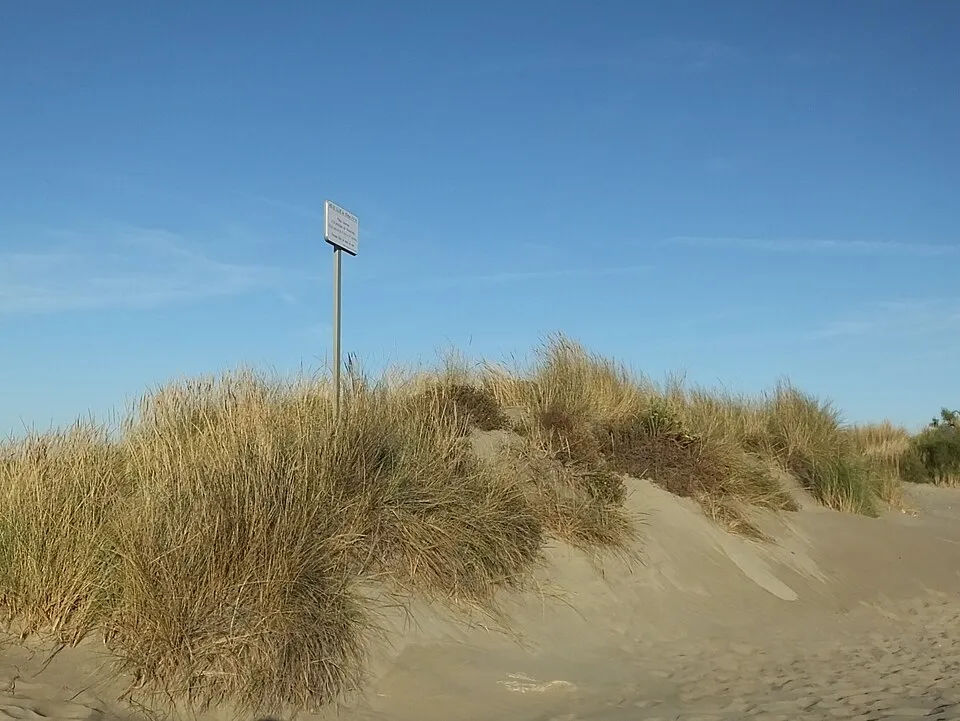
4. L’Espiguette, Le Grau-du-Roi — The Wild One
Eighteen kilometers of sand dunes. That’s not a typo. L’Espiguette stretches so far you can walk for hours and still not reach the end. This is the Camargue — a place where pink flamingos wade through lagoons, wild horses roam the wetlands, and the beach itself feels like the edge of the known world.
What makes it special: While the rest of the Mediterranean coast is busy installing beach clubs and parking lots, L’Espiguette stays deliberately raw. Kitesurfers and windsurfers love the open exposure. The fine sand is perfect for barefoot marathons. And the sense of solitude? Rare as a quiet day in July on the Côte d’Azur.
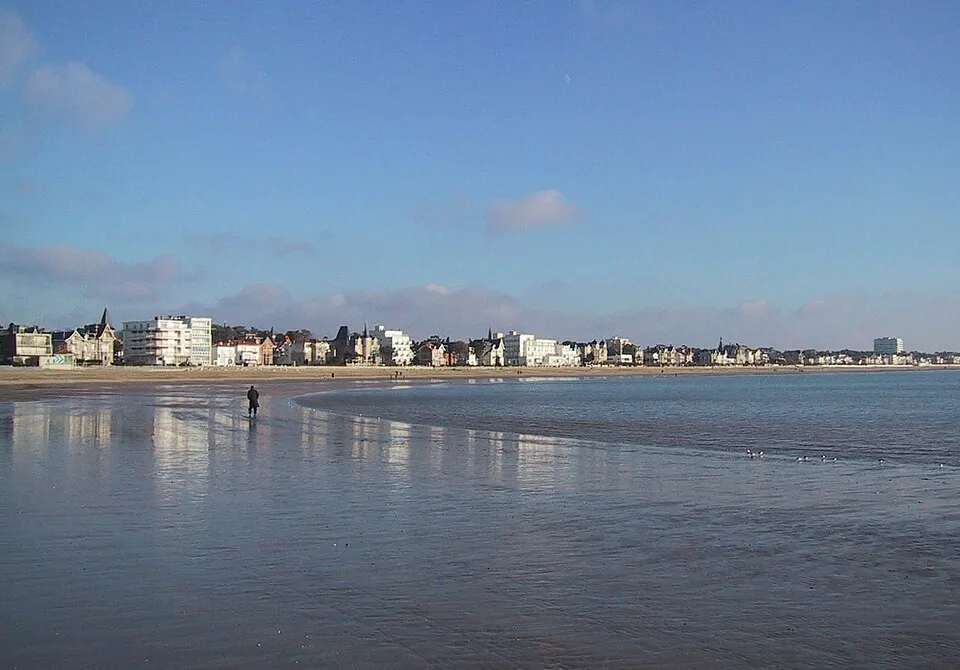
5. Grande Conche, Royan — Family-Friendly, Style-Intact
A perfect crescent of sand hugged by an Art Deco promenade — Royan’s Grande Conche is what family beach vacations should look like but rarely do. The water is calm enough that toddlers can splash without parental cardiac events, and the town behind you has more architectural personality than an entire season of Grand Designs.
What makes it special: Shallow, gentle waters. A promenade lined with cafés, crêperies, and ice cream shops. Summer beach clubs that actually entertain children. Fine sand tailor-made for castle construction. And Royan’s Art Deco heritage gives the whole experience a refinement you won’t find at most family resorts.
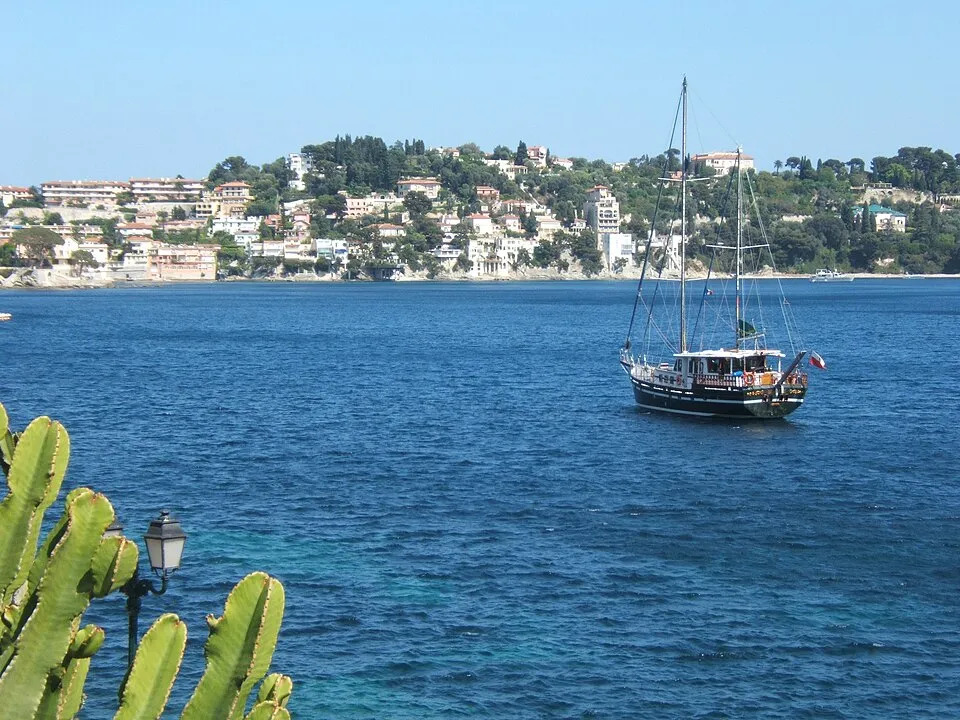
6. Plage des Marinières, Villefranche-sur-Mer — The Postcard Beach
Picture this: a deep natural harbour, water so transparent you can count the pebbles on the sea floor, and a hillside village painted in every shade of ochre and terracotta. That’s Villefranche — the French Riviera’s most photogenic secret. It sits between Nice and Monaco, yet somehow stays gentler than both.
What makes it special: The colourful buildings rising from the waterfront create a backdrop that makes every smartphone photo look professional. Snorkelling here reveals a quiet underwater world. The old town — cobblestones, hidden passages, centuries of stories — starts where the sand ends. Cruise ships anchor in the bay like floating landmarks.
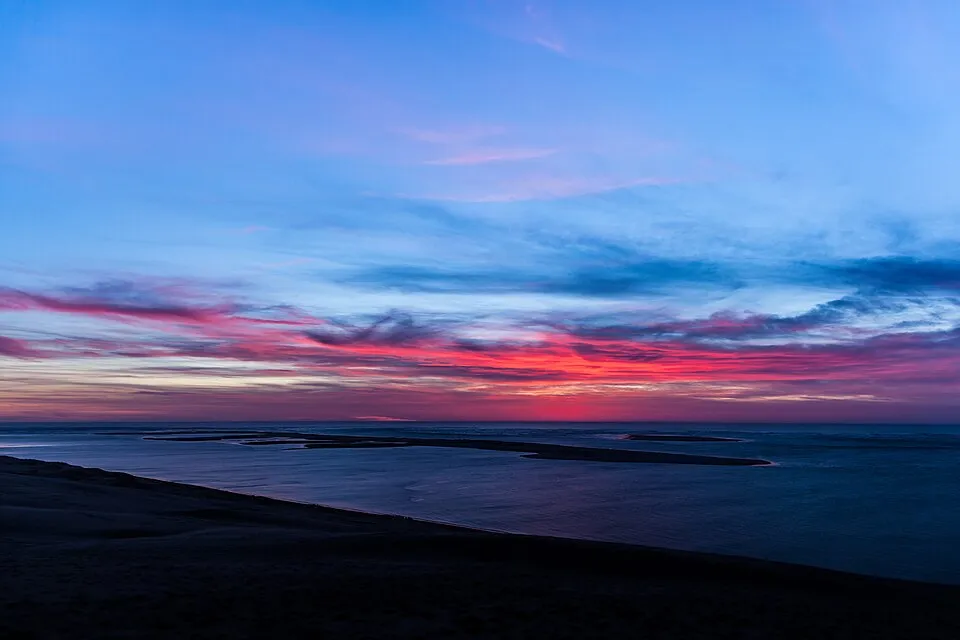
7. Plage de la Salie, Arcachon — The Nature Reserve with Waves
Part protected nature reserve, part surfer’s haven, entirely sublime. La Salie hides behind a pine forest that smells like summer even in December. The waves here are consistent enough to attract surfers year-round, while the surrounding wilderness keeps the developers at bay.
What makes it special: The beach is bordered by forest trails that offer shade when the sun gets serious. Wildlife thrives in the dunes and wetlands. And just up the coast, the Dune du Pilat — Europe’s tallest sand dune at 110 metres — gives you a panoramic view that redefines “breathtaking.” Less built-up than its neighbours, La Salie offers a natural Beach experience that’s increasingly rare on this coast.
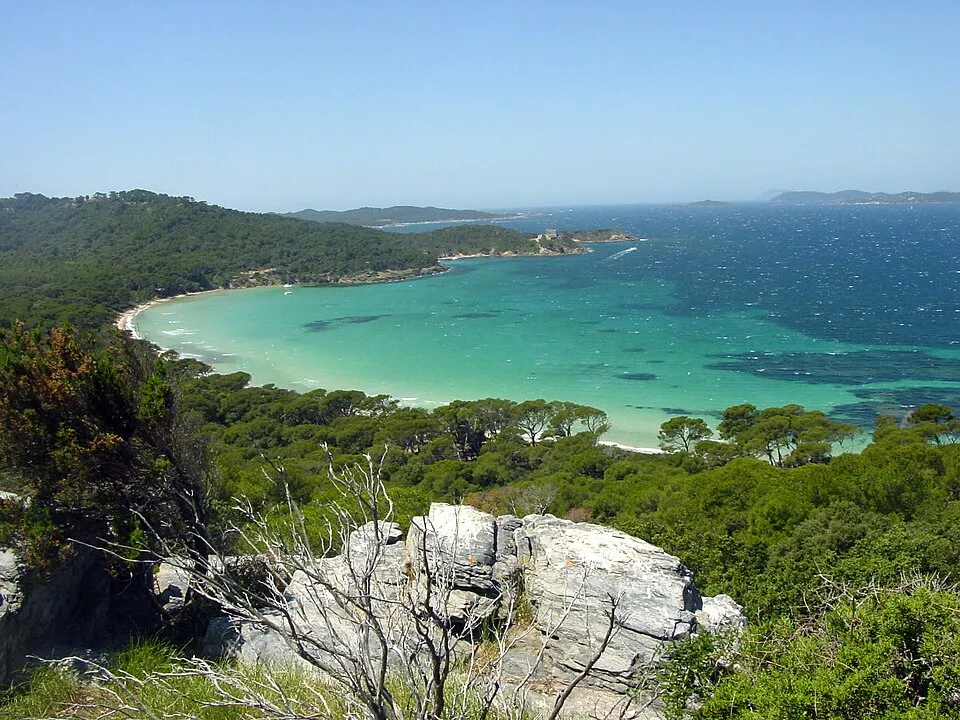
8. Plage de Notre-Dame, Porquerolles — The Island That Forgot Cars
Cars are banned on Porquerolles. Let that sink in. No engines, no traffic, no noise — just eucalyptus-scented air, cycling paths through vineyards, and a beach so pristine it belongs in a national park. Which it does — the entire island is part of Port-Cros National Park.
What makes it special: White sand, transparent water, and snorkelling that feels like swimming in an aquarium. The walk (or bike ride) from the village to Notre-Dame takes you through maquis and pine forest — Corsican wild herbs perfuming the air. Boat trips around the island reveal hidden coves accessible only from the water. Limited island access guarantees it never gets overrun.
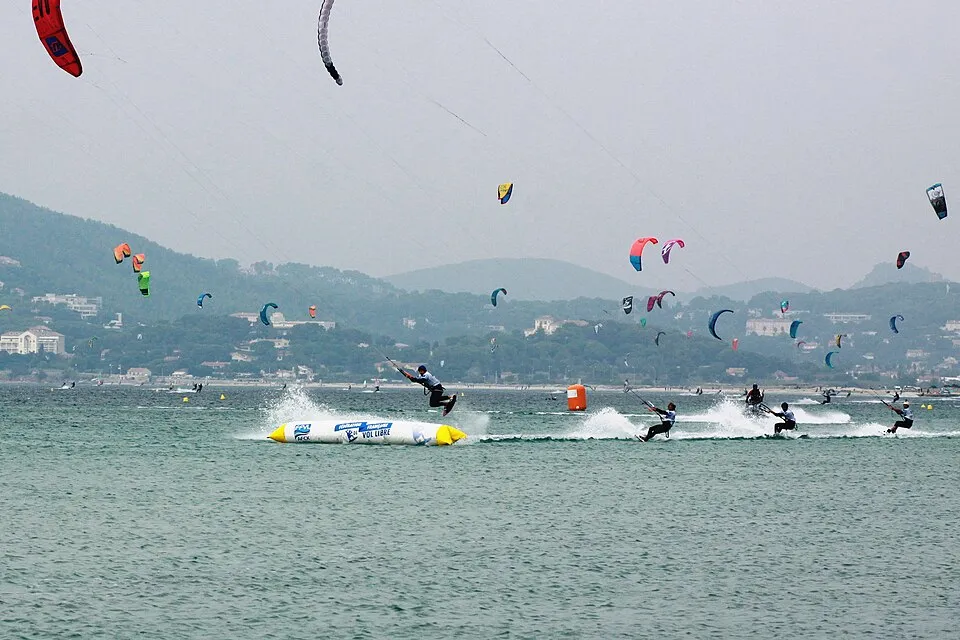
9. L’Almanarre, Giens — Windsurfing’s Cathedral
If the Mistral and the sea had a baby, it would be L’Almanarre. This long, windswept strip of sand on the Giens peninsula delivers wind conditions so reliable that windsurfers and kitesurfers treat it like a pilgrimage site. The shallow lagoon is perfect for beginners; the open water keeps experts honest.
What makes it special: Consistent wind year-round. A shallow lagoon for learning. Views across the Giens peninsula and its twin isthmuses. Nearby salt marshes where flamingos stand like pink exclamation marks against the landscape. And the history — ancient Greek and Roman ruins sit within cycling distance, reminding you that people have been drawn to this coast for millennia.
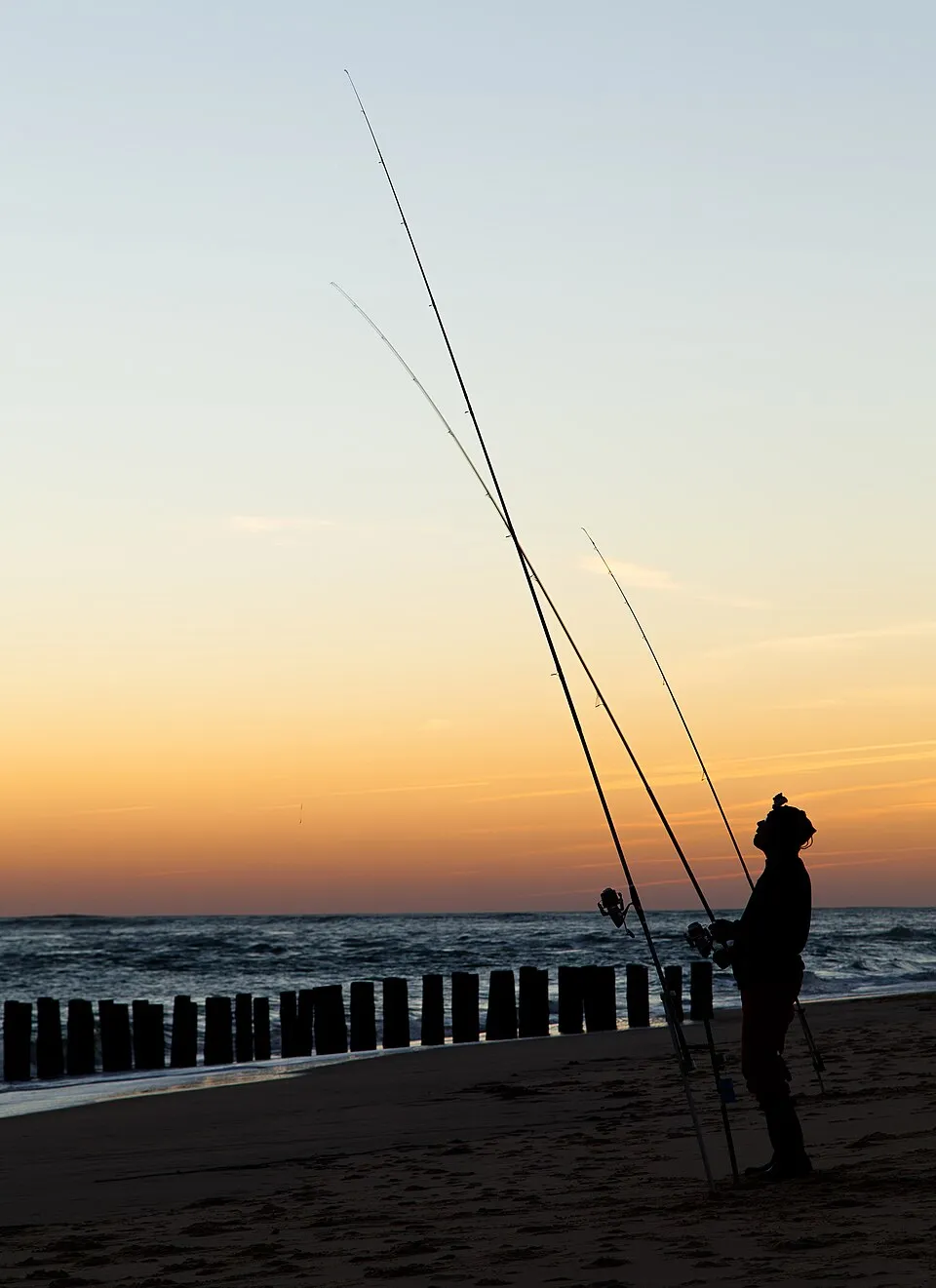
10. Plage de l’Herbe, Cap Ferret — Oysters with Your Sunset
This isn’t just a beach — it’s an oyster village. Colourful fishing cabins and rustic oyster shacks line the sand, and the local culture centres around things that come from the sea. You eat hyper-fresh oysters and sip local white wine while the bay of Arcachon turns gold behind you.
What makes it special: Plage de l’Herbe delivers something most beaches can’t: authentic coastal culture. The oyster farmers here are the real deal — not a tourist attraction, but a living tradition. The water is calm, perfect for swimming and paddle-boarding. The nearby Dune du Pilat offers that mind-bending panorama. And the sunsets? They belong in a gallery.
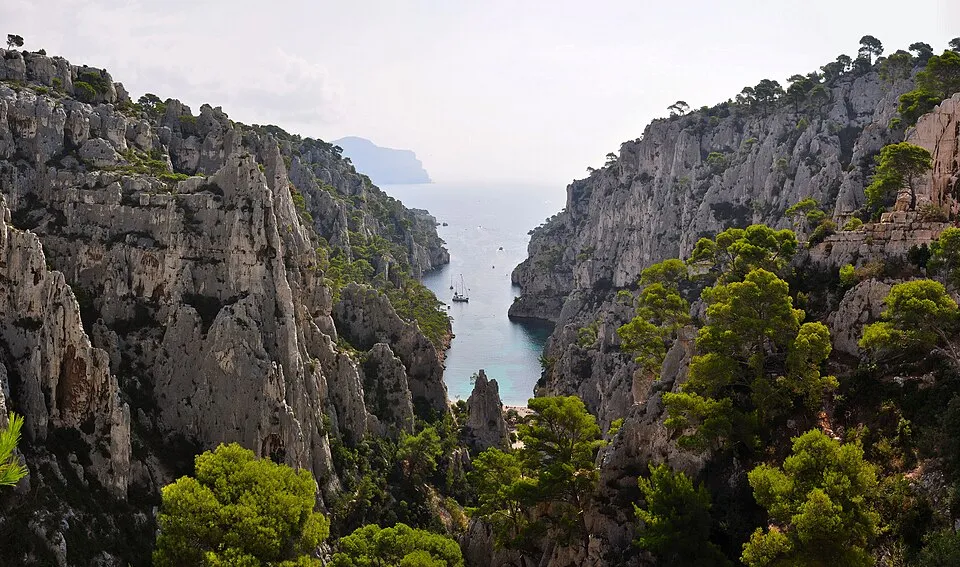
11. Calanque d’En-Vau, Cassis — The Adventurer’s Cathedral
En-Vau doesn’t come easy. You either hike there through the calanques — limestone fjords that drop 300 metres into turquoise water — or you arrive by boat. Either way, the journey is half the point. The destination: a pebble beach walled by vertical white cliffs, with water so clear it seems lit from below.
What makes it special: This is Calanques National Park at its most dramatic. The hiking trails above offer views that make vertigo worthwhile. Snorkelling reveals underwater cliffs and marine life. The beach itself stays uncrowded because access requires effort. Climbing to the clifftop overlook redefines what “panoramic view” means in France.
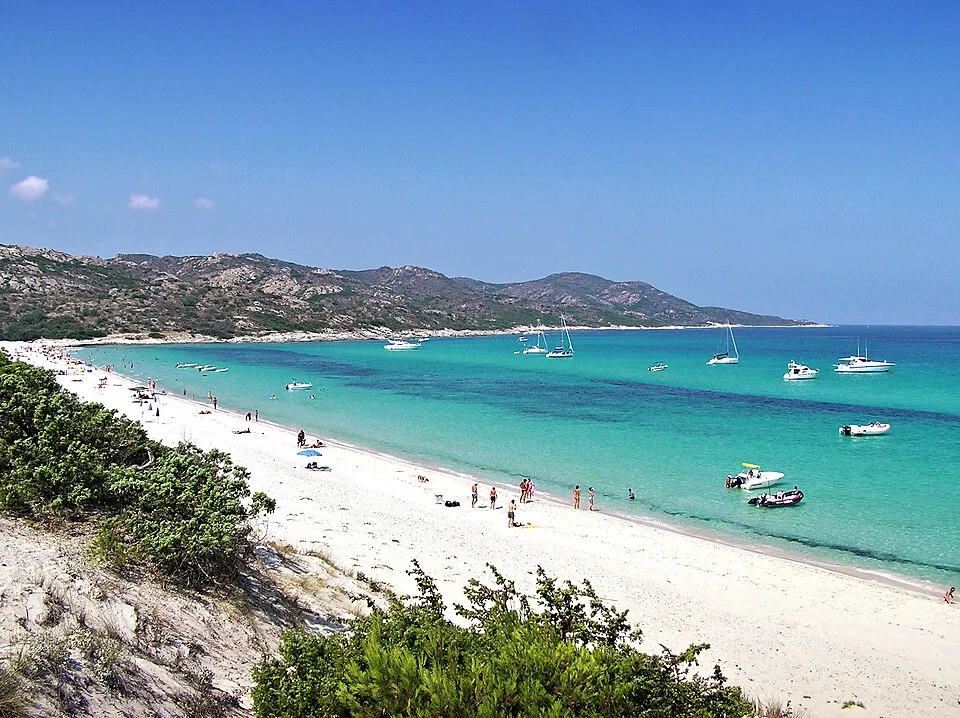
12. Saleccia, Corsica — The Forgotten Paradise
Saleccia sits at the end of a dirt track in the Agriates Desert, a protected wilderness so remote that most maps barely acknowledge it. The white sand is impossibly fine. The water is impossibly clear. Wild horses sometimes graze near the dunes. Corsican maquis perfumes the air with rosemary and myrtle.
What makes it special: Restricted access keeps this beach pristine and almost empty. Shallow, warm water makes it ideal for swimming. The surrounding desert landscape is unlike anything else on the Mediterranean. A boat from Saint-Florent delivers you to a shore that feels genuinely undiscovered — an increasingly rare sensation in 21st-century Europe.
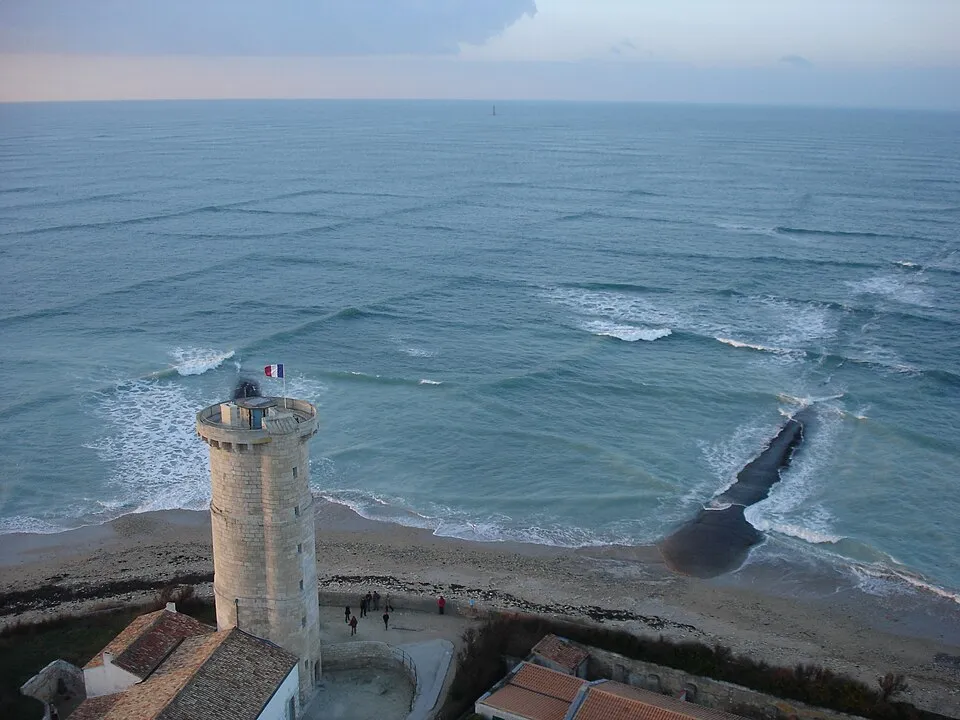
13. Conche des Baleines, Île de Ré — The Cyclist’s Beach
Île de Ré is flat. Gloriously, wonderfully flat. Its 100+ kilometres of cycling paths mean you can reach Conche des Baleines on two wheels, park your vélo against the legendary Phare des Baleaines lighthouse, and walk out onto sand that stretches to the horizon at low tide.
What makes it special: The lighthouse is iconic — 57 metres of 19th-century engineering standing sentinel over the Atlantic. At low tide the beach becomes an alien landscape of sand patterns and tidal pools. Surfing here is beginner-friendly. The island’s salt marshes add a surreal beauty. And it’s less crowded than the central Île de Ré beaches, which is saying something on an island this charming.
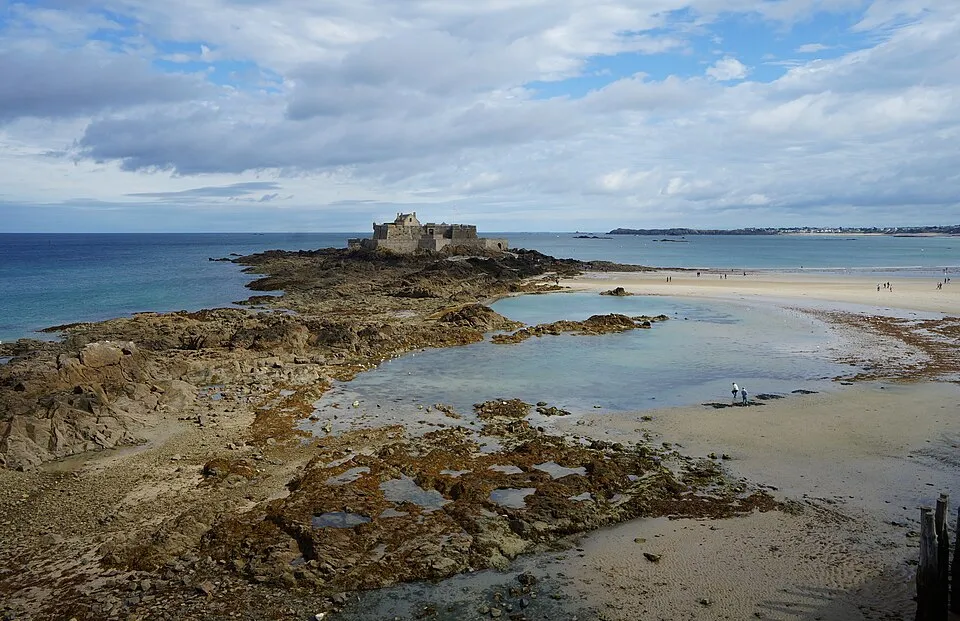
14. Plage du Sillon, Saint-Malo — Tides, Walls, and Chateaubriand’s Tomb
Saint-Malo’s walled city rises behind this beach like a medieval movie set. But the real show is the tide — among the most dramatic in Europe. At low water, you can walk to three offshore islands, including Grand Bé, where the French writer Chateaubriand chose to spend eternity. At high water, the sea rushes back in with a force that makes you believe in Neptune.
What makes it special: The tidal range here exceeds 14 metres — the beach literally transforms twice a day. Tidepooling reveals anemones, crabs, and bladderwrack ecosystems. The walled city of Saint-Malo, walking distance from the sand, is a historical monument you can explore between swims. Watching the tide race back against the city walls is theater nature wrote herself.
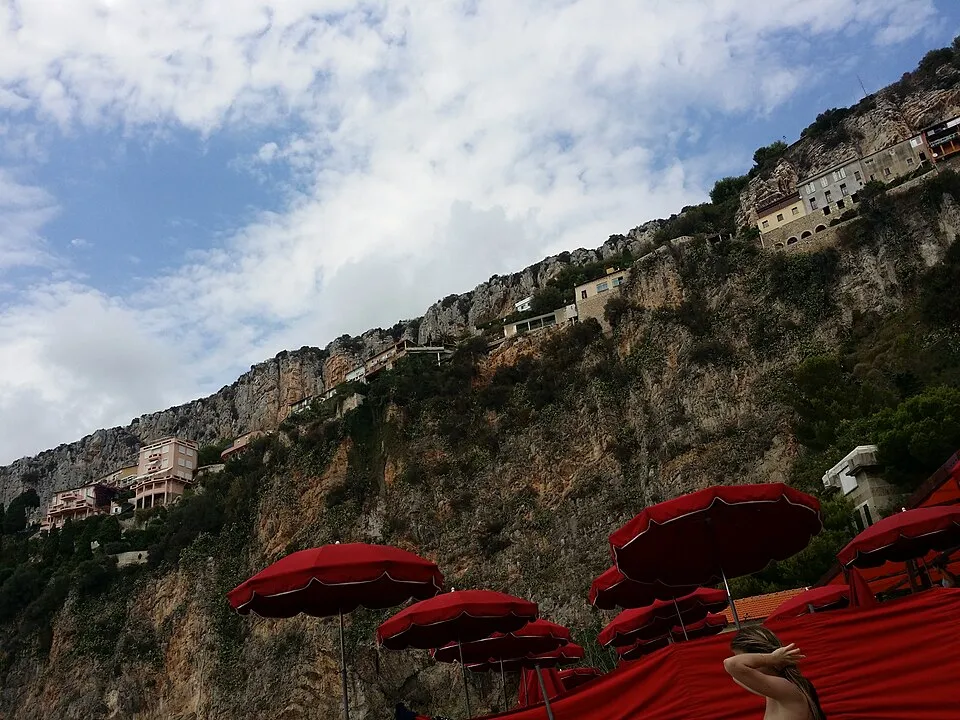
15. Plage de la Mala, Cap d’Ail — The Riviera’s Hidden Jewel
Monaco’s beaches get the press. Cap d’Ail’s gets the beauty. Plage de la Mala sits in a sheltered cove, reached by a coastal footpath that delivers cinematic views before you even touch sand. The water is deep, crystal-clear, and dramatically blue. Two beach clubs offer Riviera-level service. The surrounding cliffs provide shade when the afternoon sun peaks.
What makes it special: Fewer crowds than Nice or Cannes. Water deep enough for serious swimming and snorkelling. A coastal path arrival that makes you feel like you’re discovering something secret. Natural afternoon shade from the cliffs. This is the French Riviera the way it was before it became famous — intimate, stunning, and refreshingly uncrowded.
When to Go
| Season | Vibe | Pro Tip |
|---|---|---|
| Summer (Jun–Aug) | Peak energy, warm water, full beach clubs | Book everything 3+ months ahead; hit beaches before 9am |
| Shoulder (May, Sep–mid Oct) | Warm days, thinner crowds, lower prices | The smart traveler’s sweet spot |
| Winter (Nov–Mar) | Storm-watching, coastal walks, empty shores | Bring layers — Atlantic storms in Brittany are spectacular |
Getting There
- ✈️ Fly into Nice Côte d’Azur for the Riviera; Bordeaux for the Atlantic south; Rennes or Nantes for Brittany
- 🚄 TGV from Paris reaches the Med in under 6 hours, Biarritz in 4.5, Saint-Malo in 2.5
- 🚗 Rent a car for Corsica and Île de Ré — public transport can’t replicate the freedom
- 🛥️ Ferry to Corsica from Marseille, Nice, or Toulon — the 6-hour crossing is part of the magic
France’s coastline is 3,427 kilometres long. These 15 beaches are the ones worth crossing an ocean for.