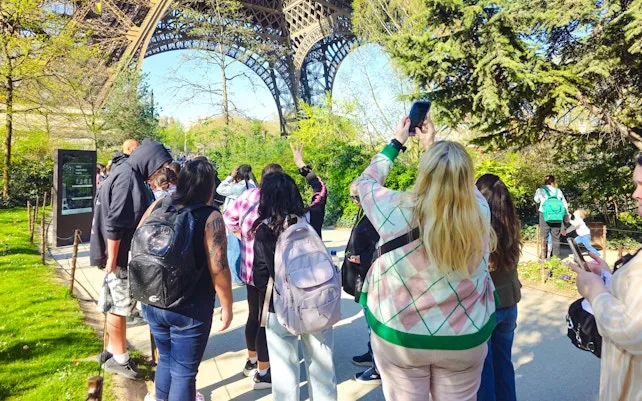
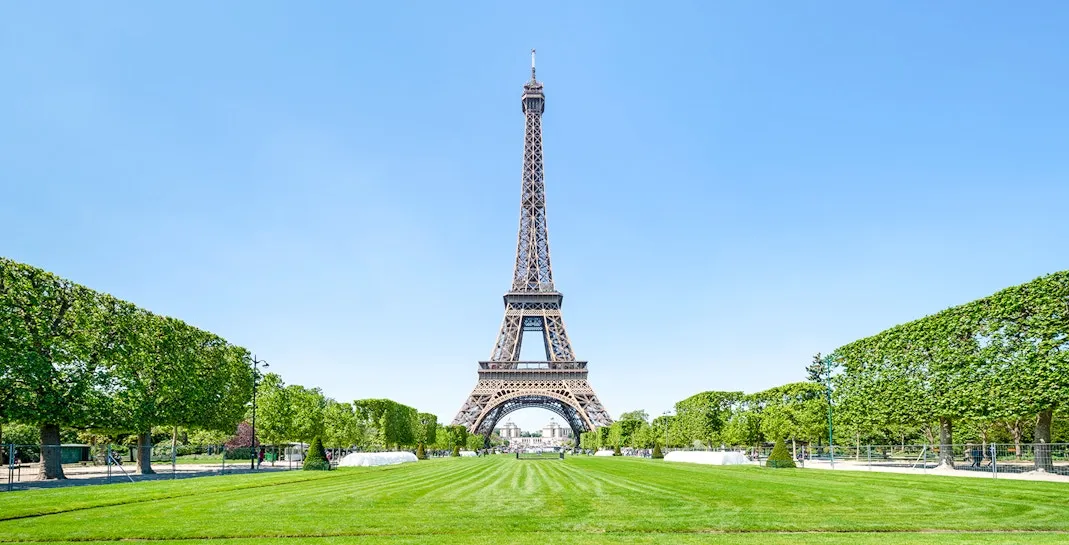
The Eiffel Tower draws roughly six to seven million visitors each year, making it the most visited paid monument on the planet. That popularity is well deserved — the 330-metre iron lattice offers the most spectacular panorama of Paris — but it also guarantees one thing: you will not be alone up there.
The key to a memorable visit is not luck. It is planning. Knowing which entrance to use, which level suits your goals, what time to arrive, and what to avoid can turn a stressful queue into one of the most rewarding experiences of your trip. This guide walks through everything — from ticket types and timing to dining, photographing, and the sparkle show that lights up the Parisian sky every evening.
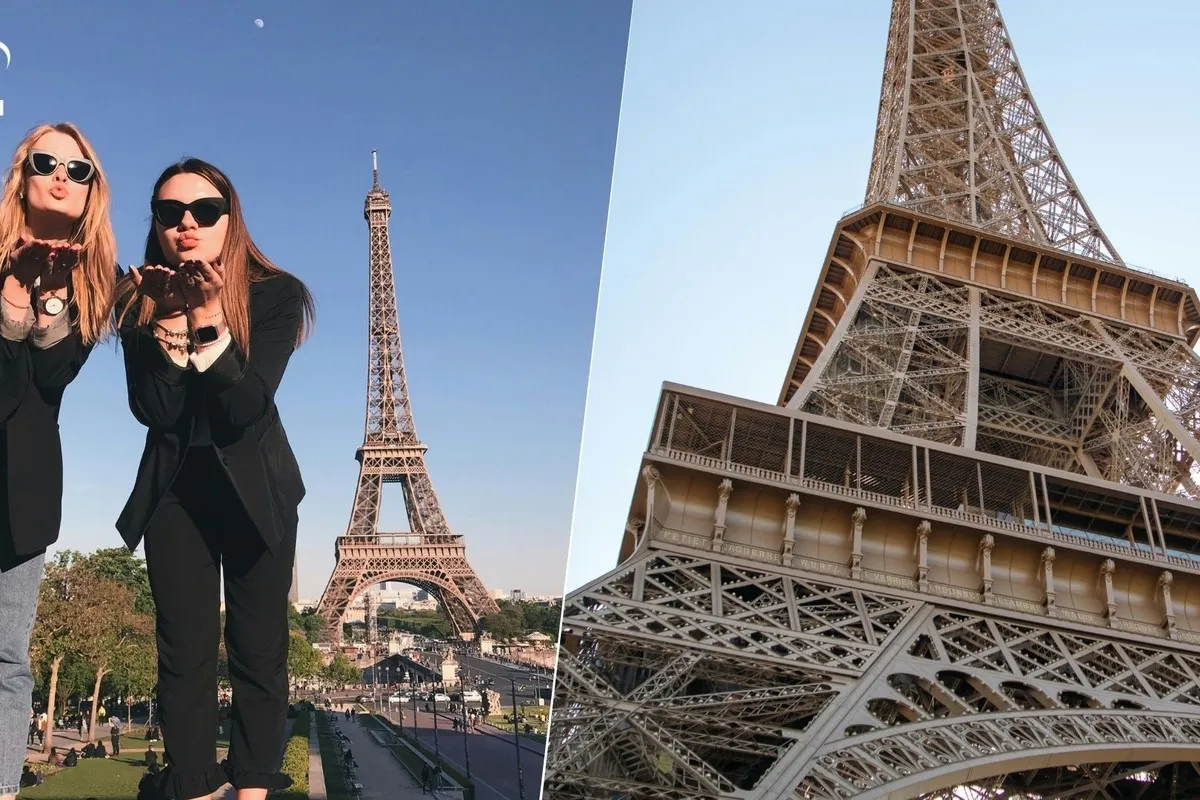
The Three Levels: What Each One Offers
The tower is divided into three public levels, each with a distinct character and a different reason to linger.
First Floor: The Glass Floor Experience
At 57 metres above ground, the first floor is where orientation begins. A transparent glass floor lets you look straight down at the Champ de Mars beneath your feet — a thrill for some, a test of nerve for others. The Esplanade below, a public park at the tower’s base, is ideal for unobstructed photographs and picnics without needing a ticket at all.
The first floor also houses an exhibition on the tower’s history, the Madame Brasserie restaurant, and the Pavillon Ferrié gift shop. It is the calmest of the three levels, often overlooked by visitors rushing upward, which makes it a quiet spot to pause and take in the scale of the structure around you.
Second Floor: The Sweet Spot for Views
At 116 metres, the second floor is widely considered the best viewing platform in Paris — and many experienced travellers argue it surpasses the summit. From here, you can see the Seine threading through the city, the rooftop mosaic of zinc and slate, landmarks like Notre-Dame and Sacrée-Cœur, and the human-scale texture of the streets below. The perspective feels immersive: you are high enough to grasp the city’s shape, but low enough to feel part of it.
The second floor also offers the most dining options: Le Jules Verne for Michelin-starred French cuisine, macarons by Pierre Hermé, and the La Verrière shop. If you only have time for one level, this is the one to choose.
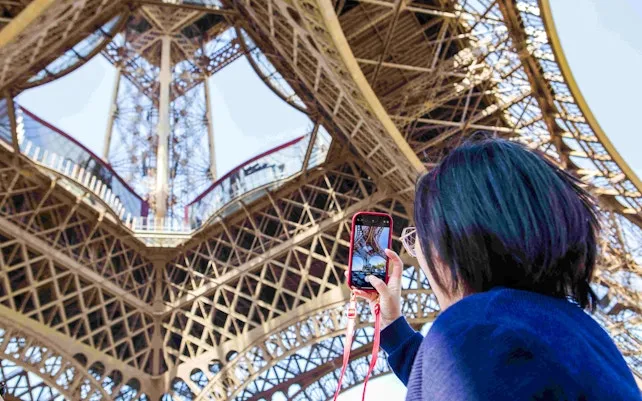
The Summit: Paris From Above
At 276 metres, the summit is the highest public observation point in Paris. The view is vast and cinematic — the city stretches to the horizon, and on a clear day you can see for 60 kilometres. There is a reconstruction of Gustave Eiffel’s original office, a champagne bar where you can toast the skyline, and historical displays about the tower’s construction.
However, the summit is weather-dependent. High winds or low cloud can reduce visibility dramatically, and it can feel noticeably colder than at ground level. Access requires a specific summit ticket, and these sell out fastest — sometimes weeks in advance during summer. If the summit is your goal, book early; if it is clouded over on the day, the second floor still delivers an extraordinary experience.
Getting Up: Lifts vs. Stairs
There are two ways up — and the choice matters more than you might think.
By Lift
Three columns serve as the main entrances — North, East, and West — each equipped with lifts to the second floor. From there, a smaller lift carries summit-ticket holders to the top. Lift lines are the most popular and, consequently, the longest. During peak season, expect waits of two to three hours if you have not pre-booked.
By Stairs
The South Column provides stair access to the second floor — 674 steps in total. It is a manageable climb for anyone in reasonable shape, and the reward is an open-air ascent through the tower’s iron lattice, with increasingly stunning views at every landing. Stair tickets are often available when lift tickets sell out, the queues are shorter, and the price is lower. You can always take the lift down.
For the summit, you must take the lift from the second floor regardless of how you arrived.
Recommended Routing
The most efficient visit follows this sequence: arrive at your assigned column → clear security screening → explore the first floor’s glass floor and exhibits → take the lift to the second floor for the best panoramic views → continue to the summit if your ticket includes it. Plan 1.5 to 2.5 hours for a standard visit, and 3 to 4 hours if you are dining or going to the summit.
Choosing the Right Ticket
| Ticket Type | What It Includes | Best For |
|---|---|---|
| Standard Lift Entry | Lift to 2nd floor, access to 1st floor | Independent visitors wanting a straightforward experience |
| Summit Lift Entry | Lift to summit + 2nd floor + 1st floor | First-timers wanting the full experience |
| Stair Entry | Stairs to 2nd floor, access to 1st floor | Budget travellers and those who enjoy a climb |
| Guided Tour | Expert commentary, structured flow, 2nd floor or summit | Visitors who want historical context and a set itinerary |
| Combo Ticket | Tower visit + Seine cruise, Louvre, or aquarium | Travellers planning multiple Paris attractions in one day |
| Dinner at Madame Brasserie | Lift to 1st floor, 3-course meal with Seine views | Couples and those prioritising a dining experience |
Summit tickets are the most restricted in supply and sell out first, especially from June through September. If summit tickets are gone, do not despair — a guided tour or combo ticket may still include summit access through a third-party allocation.
When to Visit: Timing Is Everything
Best Days and Hours
Tuesday through Thursday see the fewest visitors. Early morning (before 11:00) and late evening (after 20:00) offer the calmest experience and the best light for photography. Avoid midday, when tour groups and school parties are at their peak.
Seasonal Considerations
| Season | Crowds | Weather | Notes |
|---|---|---|---|
| June–September (peak) | Very high, 2–3 hour queues | Warm, long daylight | Best summit visibility; book weeks ahead |
| November–March (low) | Low, except Christmas | Cool, shorter days | Shorter queues; festive illuminations late Nov–Jan |
| April–May & October (shoulder) | Moderate | Pleasant, mild | Best balance of weather and crowd levels |
A weekday morning in spring or autumn is the goldilocks window: comfortable temperature, manageable crowds, and clear views.
The Sparkle: A Nightly Spectacle
Every evening after sunset, the Eiffel Tower sparkles for five minutes at the top of each hour, with a final extended performance at 1:00 AM lasting ten minutes. You do not need a ticket — the show is best viewed from the Trocadéro Gardens or along the Seine. This golden shimmer has been enchanting visitors since 2000 and remains one of the most romantic sights in any city in the world.
For those who want to see it from above, the last lift ascent is at 22:30 (22:45 in peak season), and the tower stays open until 23:45. Night visits offer a different atmosphere — quieter, more intimate, and with the entire city glittering below.
Dining on the Tower
Three dining options cater to different budgets and ambitions:
- Le Jules Verne (2nd floor): Michelin-starred haute cuisine with panoramic windows. Book well in advance — this is one of the most sought-after tables in Paris. The tasting menu changes seasonally and emphasises modern French techniques.
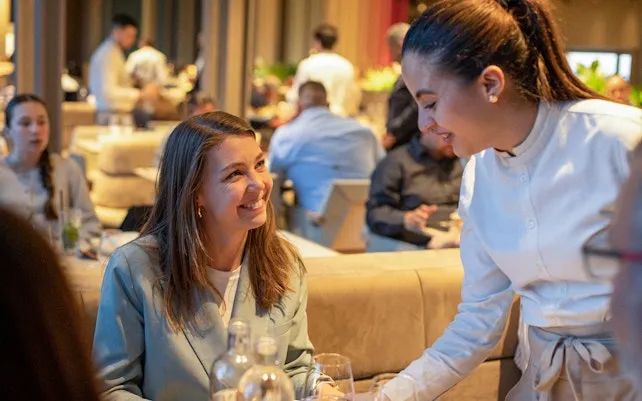
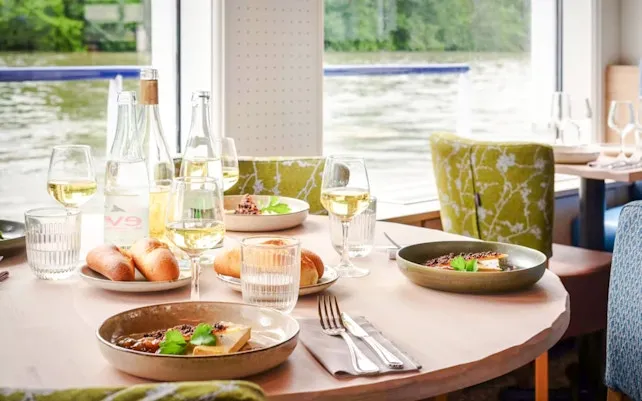
- Madame Brasserie (1st floor): Contemporary French cuisine in a more approachable setting. Offers lunch and dinner menus with options for three or four courses. Window tables with Seine views can be reserved for a premium.
- Champagne Bar (summit): A small counter where you can raise a glass of Champagne at the highest point in Paris. Simple, theatrical, and unforgettable.
Practical Tips: Before You Go
Booking
Elevator tickets are released 60 days in advance; stair tickets 40 days. Purchase online through the official tower website for the best prices and guaranteed entry. Summit tickets during summer can sell out within hours of release, so set a reminder for the date they become available.
What You Cannot Bring
- Large bags, suitcases, or bulky luggage — there is no cloakroom or baggage storage
- Glass containers and large bottles
- Tripods, selfie sticks, and professional camera rigs
- Weapons, sharp objects, and aerosols
- Non-folding bicycles, scooters, and skateboards
- Non-folding pushchairs (folding strollers are permitted)
Everything must pass through security scanners. Travel light — a small day bag is all you need.
Accessibility
Lifts serve all three levels. The first and second floors have accessible toilets. Visitors with reduced mobility can use designated entrances at the West column. Guide dogs are permitted.
Identification
If you hold discounted tickets (student, child, or disability rate), bring valid ID or proof of eligibility. You may be asked to present it at entry.
Getting There
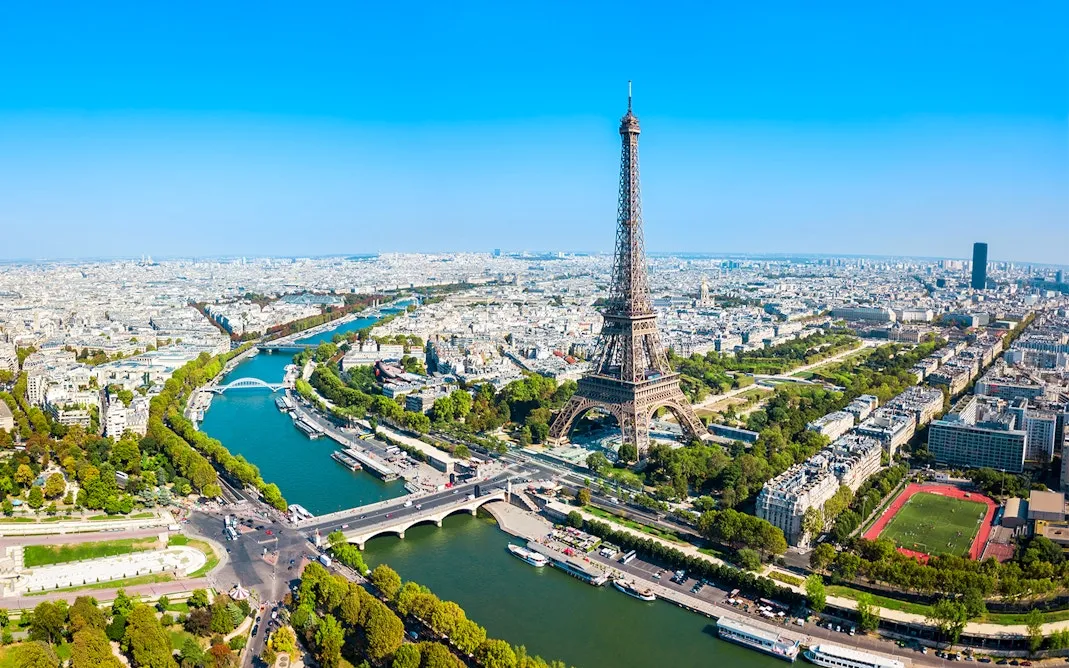
The tower stands on the Champ de Mars in the 7th arrondissement, directly along the Seine. The address is 5 Avenue Anatole France, 75007 Paris.
| Method | Details |
|---|---|
| Metro | Bir-Hakeim (Line 6) — 8 minutes; Trocadéro (Line 9) — 10 minutes, best for photo approaches |
| RER | Champ de Mars – Tour Eiffel (RER C) — 5 minutes |
| Bus | Lines 42, 69, 72, 82, 87 all stop nearby |
| Batobus | Seine river boat — Tour Eiffel stop |
| Car | Not recommended; central Paris traffic and parking are difficult. Nearby paid garages at Quai Branly and Pullman Tour Eiffel |
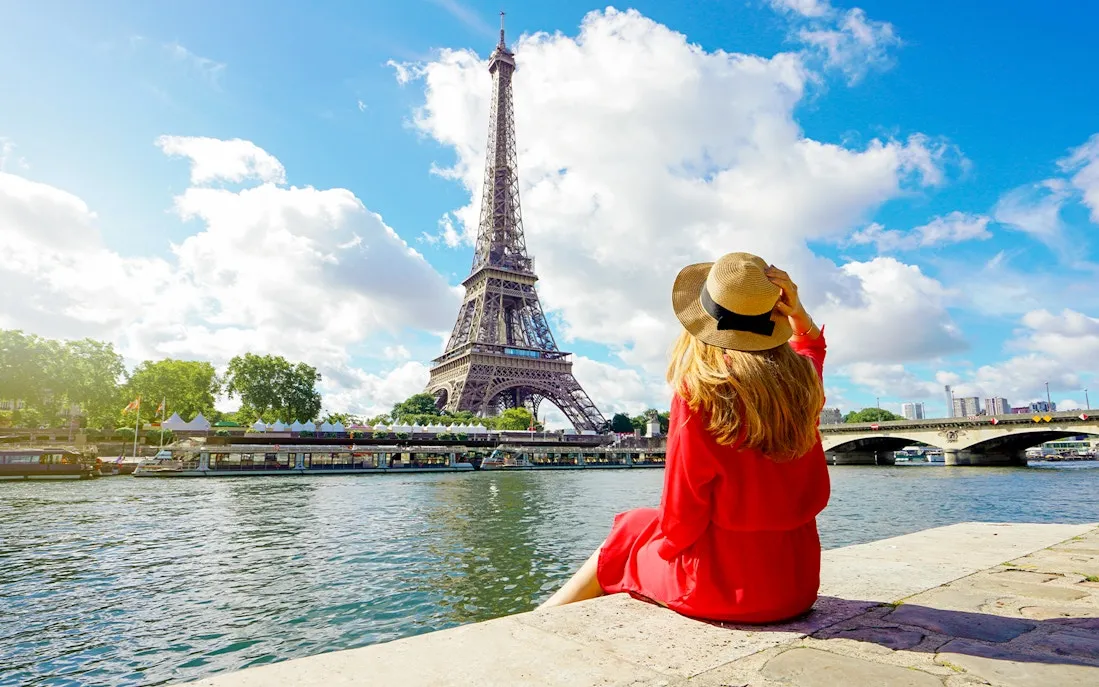
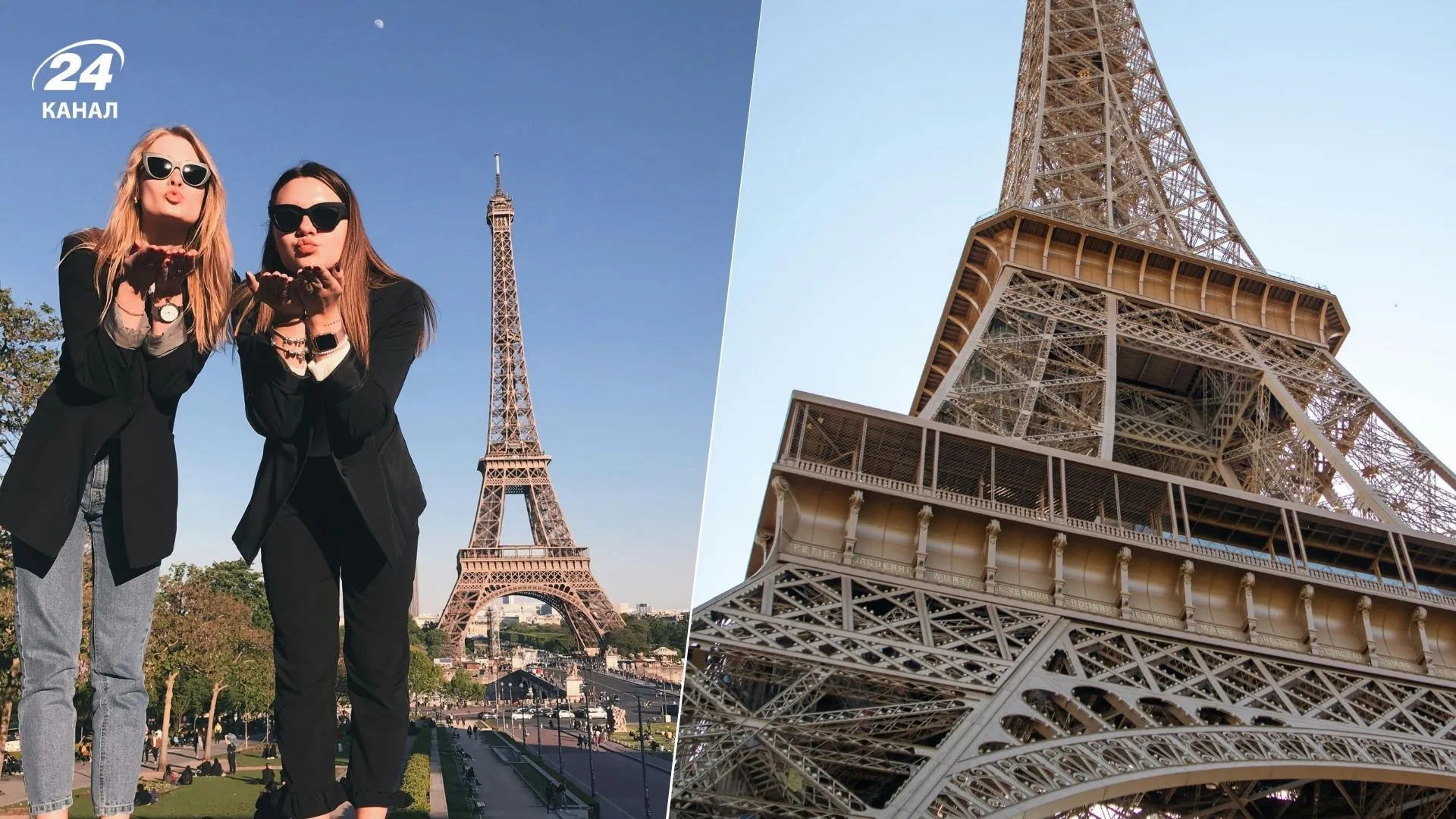
Trocadéro is the most scenic arrival — the view of the tower from the esplanade is iconic and gives you a chance to photograph the full structure before you are standing beneath it.
Facilities on the Tower
| Facility | Location |
|---|---|
| Toilets | Esplanade (ground), 1st floor (Pavillon Ferrié), 2nd floor |
| Gift shops | 1st floor (Pavillon Ferrié), 2nd floor (La Verrière), Summit shop |
| Buffet | 1st and 2nd floors — sandwiches, snacks, drinks |
| Audio guides | Available for rent on-site in multiple languages |
| Free Wi-Fi | Available on the tower |
There is no re-entry once you leave. Make sure you have seen everything you want — every level, every viewpoint, every shop — before you exit through the security gates.
How Long to Spend
| Visit Type | Duration |
|---|---|
| Quick visit (2nd floor only) | 1–1.5 hours |
| Balanced visit (2nd floor + summit) | 2–3 hours |
| Immersive visit (all levels + dining) | 3–4 hours |
Add buffer time during peak hours. Security screening alone can take 20–45 minutes in summer.
Frequently Asked Questions
Is the Eiffel Tower open year-round? Yes, every day of the year. Winter visits are colder but far less crowded, and the festive illuminations from late November through early January add a magical quality.
Can I take the stairs to the summit? No. Stairs go to the second floor only (674 steps). From there, a lift carries summit-ticket holders to the top. The descent is also by lift.
What happens if I miss my time slot? Your ticket may become invalid. Some flexible tickets allow rescheduling, but standard tickets are tied to a specific entry window. Arrive 30 minutes early to allow time for security.
Is it worth going to the summit if it is cloudy? The second floor often remains below the cloud layer and still offers excellent views. If the summit is shrouded, you will see white. Check the live weather conditions on the tower’s webcam before heading up.
What is the best time of year to visit? April–May or September–October on a weekday morning. The weather is mild, queues are shorter, and visibility tends to be good.
Beyond the Tower: Making a Day of It
The Eiffel Tower sits in one of the most walkable corners of Paris. Within a 15-minute radius:
- Trocadéro Gardens (500 m): The classic postcard view and the best spot for the sparkle show
- Seine River cruise: Departures from the foot of the tower — a one-hour loop is one of the most efficient ways to see central Paris from the water
- Musée du Quai Branly (5 min walk): Indigenous art and cultures, housed in a striking building by Jean Nouvel
- Les Invalides (15 min walk): Napoleon’s tomb and the Army Museum — a powerful contrast to the tower’s lighter iron
- Rue Cler (10 min walk): A charming market street for picnic supplies — cheese, bread, pastries, wine
Pair a morning tower visit with an afternoon cruise, or time your ascent for late afternoon so you catch daylight, sunset, and the first sparkle from above.
The Iron Lady Endures
The Eiffel Tower was never meant to be permanent. Built for the 1889 World’s Fair, it was nearly dismantled in 1909 — saved only by its usefulness as a radio transmitter. Today, it is repainted every seven years by a team of around 75 painters who apply roughly 60 tonnes of paint by hand to keep the iron from rusting. It has survived two world wars, countless storms, and the opinions of those who once called it an eyesore.
It is, in the end, more than a viewpoint. It is the silhouette that defines Paris in the imagination of the world — and climbing it, whether by lift or by 674 steps, is a ritual of arrival that every traveller to the city should experience at least once. The trick is simply to arrive prepared, arrive early, and arrive with a sense of wonder intact.