Luxury without health is just decoration. You can wear the finest fabrics, drive the most exquisite machines, live in spaces that make architecture critics weep — but if your blood vessels are stiffening, narrowing, and silently accumulating plaque, none of it matters. Your arteries are the highways of your body. Every organ, every cell, every thought you have depends on what flows through them. And right now, your diet may be building roadblocks.
Vascular health is the invisible luxury. You cannot see it in a mirror. You cannot display it at a dinner party. But it determines whether you get to enjoy the life you have built — or watch it from the sidelines while a cardiologist explains your options.
The science is unambiguous: certain foods damage the endothelium (the delicate inner lining of your blood vessels), raise blood pressure, promote inflammation, and accelerate atherosclerosis — the slow, silent accumulation of fatty plaque that turns flexible arteries into rigid, narrowed pipes. If your arteries could talk, they would file a restraining order against the following fourteen foods.
The Processed Carbohydrates
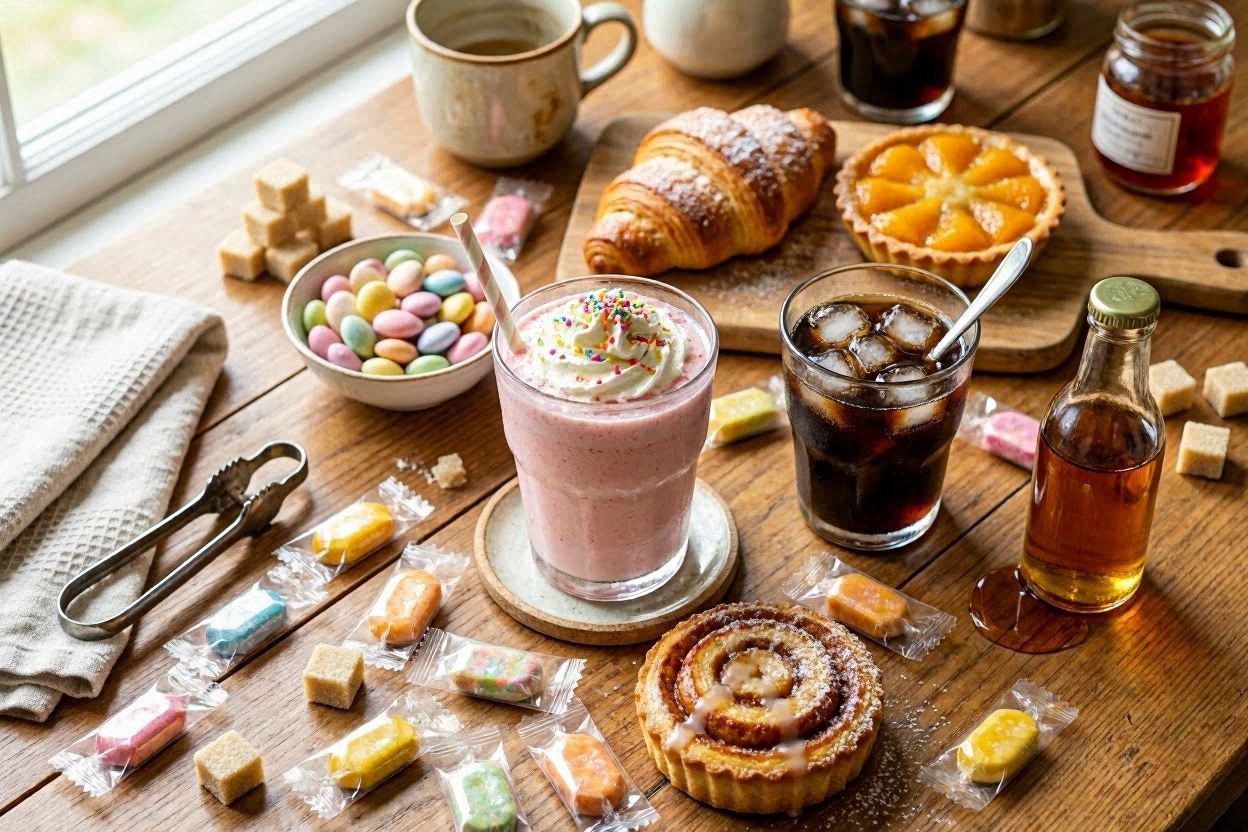
Refined carbohydrates don’t just spike your blood sugar — they trigger a cascade of vascular destruction. When stripped of fiber and nutrients, these foods hit your bloodstream like a freight train, demanding insulin floods that, over time, damage the very walls of your arteries.
1. Instant Noodles
The three-minute meal that costs your arteries far more than it costs your wallet. Instant noodles are a triple threat: refined carbohydrates that spike blood glucose, trans fats hidden in the seasoning packets, and sodium levels that would make a cardiologist wince. The inflammatory response is immediate. LDL cholesterol — the “bad” kind — accumulates on artery walls like sediment in a river. Over months and years, arterial plaque thickens, elasticity plummets, and those once-supple vessels begin to feel more like calcified garden hoses. A 2014 study published in the Journal of Nutrition found that eating instant noodles twice or more per week was associated with significantly higher metabolic syndrome risk in women. Your arteries noticed long before you did.
2. White Bread
The everyday staple that nobody suspects. White bread is made from flour stripped of bran and germ — which means no fiber, no nutrients, and no brake pedal on glucose absorption. Blood sugar rockets upward. Insulin pours in to compensate. Over time, this cycle promotes fat accumulation specifically in the arterial walls, thickening them and reducing their ability to expand and contract with each heartbeat. The end result: vessels that are less rubber tube, more concrete pipe — and that rigidity is a direct path to atherosclerosis and hypertension.
3. Sugary Breakfast Cereals
The morning ritual that begins vascular erosion before you have even left the kitchen. Most commercial cereals contain more added sugar per serving than a dessert. That sugar spikes glucose and insulin, which in turn drives fat storage — not just around your waistline, but inside your arteries. Arterial walls thicken. Elasticity diminishes. The cardiovascular risk climbs steadily with each spoonful. What was marketed as a wholesome start to your day is, in vascular terms, starting the morning with self-inflicted damage.
The Fat Brigade
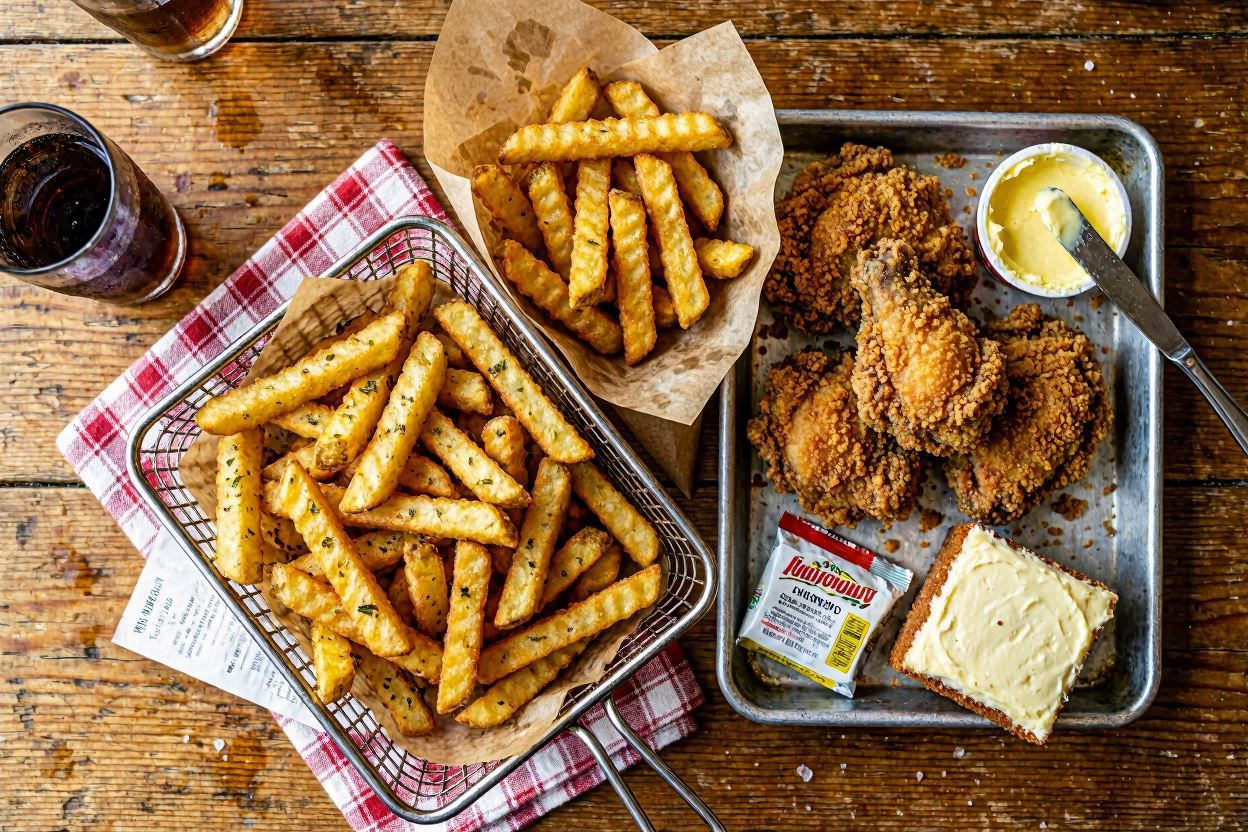
Fats are not created equal. Your arteries know the difference even if your palate does not. The wrong fats infiltrate arterial walls, ignite chronic inflammation, and remodel your blood vessels from something resilient into something brittle.
4. Butter
Butter has enjoyed a cultural rehabilitation in recent years — the “natural” fat that your grandmother used. But your arteries are not nostalgic. Butter is rich in saturated fat, which directly raises LDL cholesterol. That LDL does not float harmlessly through your bloodstream; it deposits on arterial walls, forming the fatty streaks that are the earliest stage of atherosclerosis. Regular, excessive butter consumption reduces vessel elasticity and accelerates the narrowing of coronary arteries. A little on artisan bread is not the issue. The issue is the daily, habitual, generous use that turns an indulgence into chronic vascular stress.
5. Margarine
If butter is the devil you know, margarine is the devil that arrived dressed as an angel. Originally marketed as a “healthier” alternative to butter, most commercial margarine is produced through industrial hydrogenation — a process that creates trans fats even when the label claims “zero trans fat per serving” (a legal fiction achieved by shrinking the serving size). These trans fats are uniquely destructive: they raise LDL cholesterol and simultaneously lower HDL — the protective cholesterol that helps clear arterial plaque. Margarine also promotes systemic inflammation that damages the endothelial cells lining your blood vessels, making them more permeable to cholesterol and less able to produce nitric oxide, the molecule that keeps arteries relaxed and open.
6. Fatty Red Meat
Beef, pork, lamb — the centerpiece of many a lavish meal. But their saturated fat content is an arterial assault. Saturated fat raises LDL cholesterol directly, and in the context of a modern sedentary lifestyle, that LDL has nowhere to go but into your vessel walls. Red meat also contains carnitine and choline, which gut bacteria convert to trimethylamine N-oxide (TMAO) — a compound increasingly linked to atherosclerosis. The mechanism is elegant and alarming: TMAO alters cholesterol metabolism, promotes macrophage scavenging of cholesterol in artery walls, and reduces the reverse transport of cholesterol back to the liver. Your steak is not just feeding you. It is feeding plaque.
7. Fried Foods
French fries, fried chicken, tempura, doughnuts — anything submerged in hot oil undergoes a chemical transformation that your arteries pay for. Heating oils to high temperatures creates oxidized lipids and, in many cases, trans fats. Then there is acrylamide, a compound formed when starchy foods are fried at high heat, which has been shown to cause oxidative stress and inflammation in vascular tissue. Fried foods also tend to be cooked in reused oil, which contains degraded, oxidized fats that are even more damaging to the endothelium. Each crispy bite delivers a payload of vascular toxins.
The Sodium Bombs

Sodium is essential for life — but the quantities most people consume are not. Excess sodium retains water in your bloodstream, increasing volume and pressure. Your heart works harder. Your artery walls bear more force with every heartbeat. Over years, that pressure physically damages the endothelium, creating sites where plaque can take hold.
8. Chips and Processed Snacks
A single serving of potato chips can contain a quarter of your daily sodium limit — and almost nobody eats a single serving. The combination of excess salt and saturated fats makes chips a particularly efficient vascular weapon. Sodium drives blood pressure upward, straining arterial walls and promoting microscopic tears in the endothelium. Simultaneously, the saturated fats contribute LDL cholesterol that deposits at those damaged sites. The result: plaque formation at an accelerated pace, vessels that lose their ability to stretch and recoil, and a steadily climbing risk of heart attack and stroke.
9. Canned Foods
Convenience in a can — at a price your arteries pay. Canned soups, vegetables, beans, and sauces are loaded with sodium as both a preservative and flavor enhancer. A single can of soup can contain an entire day’s worth of sodium. That salt retains water, increasing blood volume and pressure. But the damage does not stop at blood pressure: many canned foods also contain added sugars and chemical additives that trigger low-grade vascular inflammation, accelerating endothelial dysfunction and atherosclerosis. The canning process itself may degrade nutrients that would otherwise protect your blood vessels.
10. Processed Meat
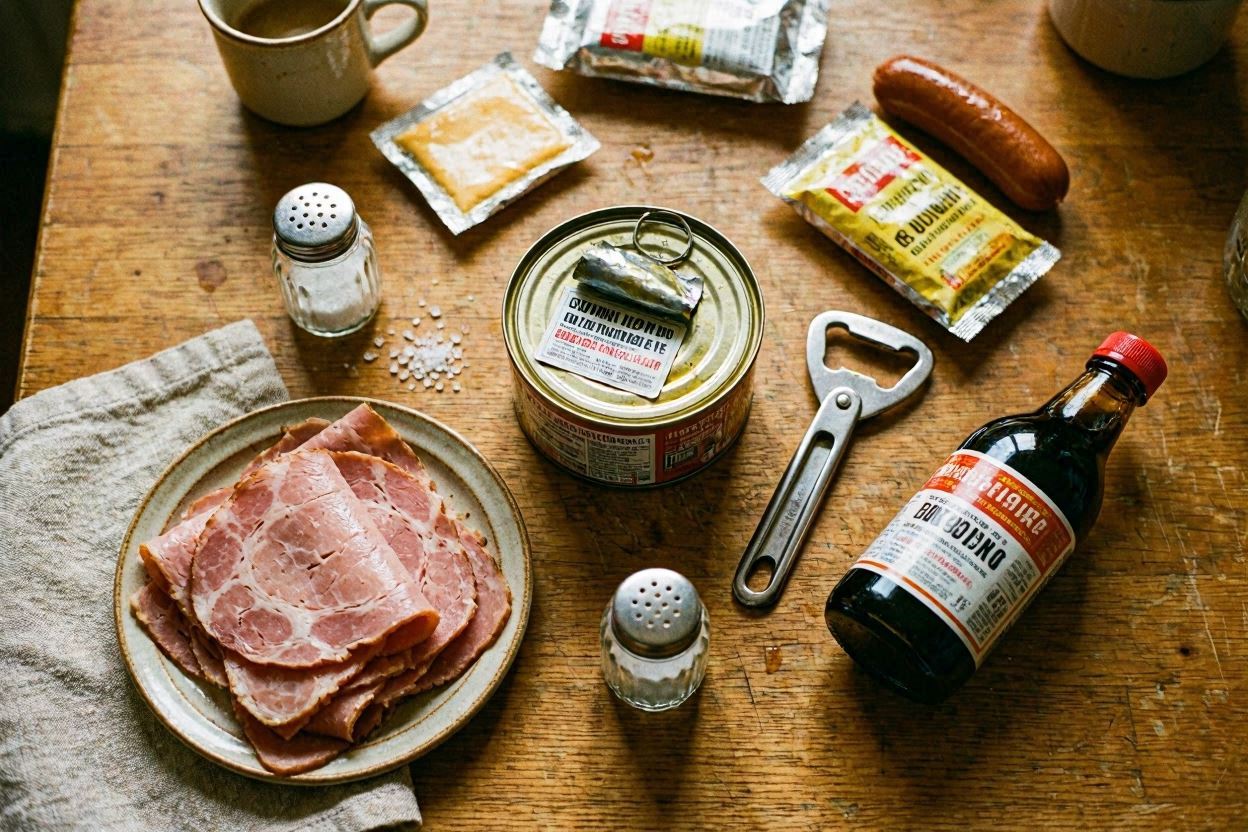
Sausages, ham, bacon, salami — the charcuterie board looks refined, but its sodium content is anything but. Processed meats are among the most sodium-dense foods in the modern diet. They also contain nitrates and nitrites, preservatives that can damage blood vessels directly by promoting oxidative stress. The World Health Organization classified processed meat as a Group 1 carcinogen in 2015, but its vascular effects are arguably more immediately relevant: the combination of sodium, saturated fat, and preservatives drives blood pressure up, promotes cholesterol deposition, and fuels the chronic inflammation that turns healthy arteries into diseased ones.
11. Commercial Pizza
The perfect storm on a crust. A single slice of commercial pizza combines refined carbohydrates (the crust), processed meat (pepperoni, sausage), saturated fat (cheese — and lots of it), and enough sodium to rival a canned soup. Each component independently damages your arteries; together, they create a synergistic assault. The refined carbs spike insulin and promote arterial fat storage. The processed meat delivers nitrates and saturated fat. The cheese adds more LDL-boosting saturated fat. The sodium drives blood pressure higher. Pizza is not a meal — it is, from your arteries’ perspective, a coordinated attack.
The Sugar Saboteurs
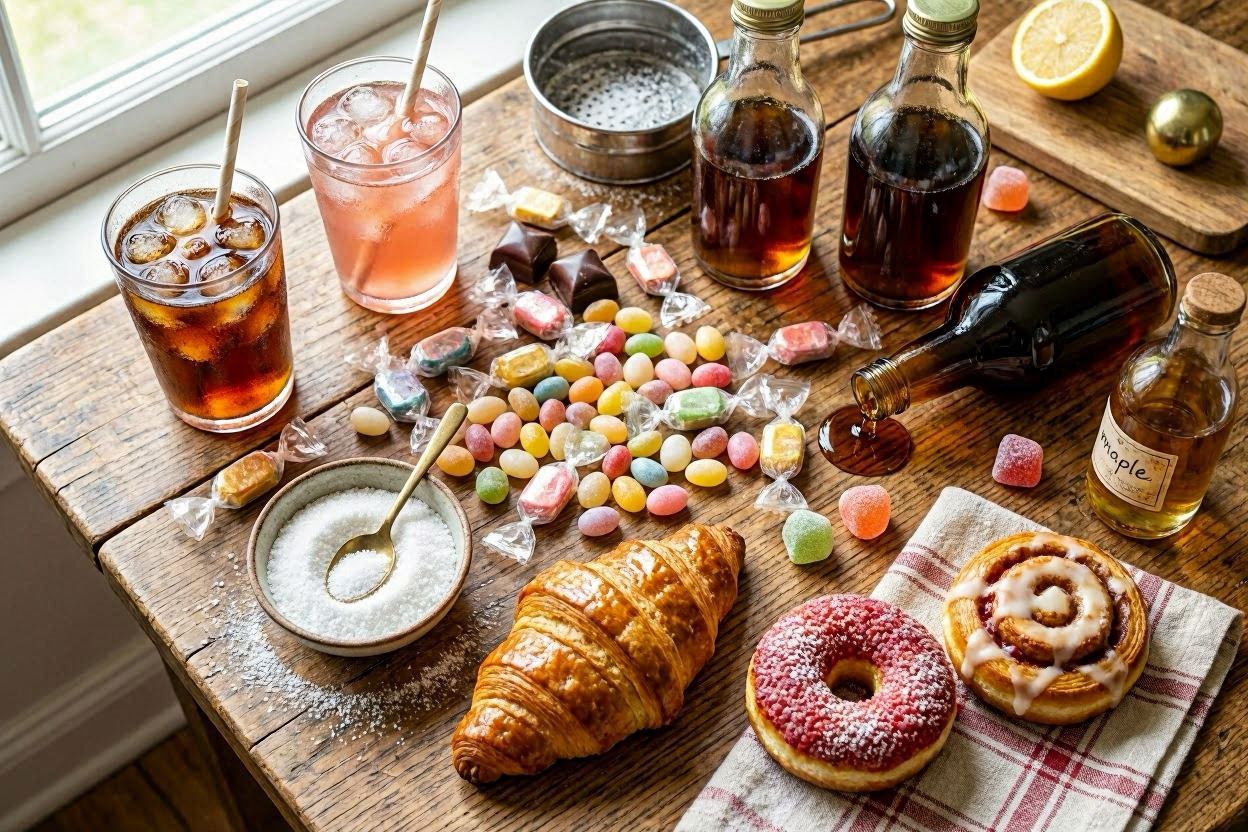
Sugar does not just add calories. It fundamentally alters how your blood vessels function. Excess sugar triggers advanced glycation end-products (AGEs) — molecules that crosslink with proteins in your artery walls, making them stiff and brittle. Sugar also drives chronic inflammation and converts directly to triglycerides, the fat particles that contribute to arterial plaque.
12. Soda and Sugary Drinks
Liquid sugar is the most efficient delivery system for metabolic harm. A single can of soda contains roughly 39 grams of sugar — mostly high-fructose corn syrup — and your body absorbs it within minutes. The liver converts fructose directly to triglycerides, fat particles that circulate in your bloodstream and deposit in arterial walls. Sugary drinks also promote arterial inflammation and insulin resistance, creating a metabolic environment where plaque thrives. A 2019 study in JAMA Internal Medicine found that drinking two or more sugary beverages per day was associated with a 21% higher risk of all-cause mortality. Your arteries are not indifferent to your drink order.
13. Energy Drinks
Energy drinks combine sugar overload with cardiovascular stimulants in a way that is uniquely hostile to blood vessels. A single can may contain 200mg of caffeine — roughly double a cup of coffee — plus taurine, guarana, and up to 50 grams of sugar. The caffeine spike raises blood pressure acutely. The sugar flood drives insulin resistance and triglyceride production. The combination has been linked to arrhythmias, endothelial dysfunction, and in extreme cases, sudden cardiac events in otherwise young and healthy individuals. Energy drinks do not give you energy — they give your cardiovascular system a panic attack.
The Single Outlier
One food deserves its own category because it has been hiding in plain sight for decades, championed as a cheap alternative to fats that your arteries would actually welcome.
14. Trans Fats in Baked Goods and Frozen Meals
Yes, margarine already appeared above — but trans fats extend far beyond a single spread. Commercial baked goods (pastries, cookies, pie crusts) and frozen meals frequently contain partially hydrogenated oils, the industrial source of trans fats. These are the most damaging fats for vascular health: they raise LDL cholesterol, lower HDL cholesterol, promote systemic inflammation, and physically incorporate into cell membranes, making them rigid and dysfunctional. No amount of trans fat is safe — the Institute of Medicine concluded there is no tolerable upper intake level. Many countries have banned them, but trace amounts persist in the food supply, particularly in shelf-stable baked goods and frozen dinners. Read the label. If you see “partially hydrogenated,” your arteries want you to put it back.
What to Eat Instead: Arteries Deserve Better

If the fourteen foods above are the demolition crew, the foods below are the renovation team — and they are every bit as powerful in reverse.
Extra virgin olive oil — the cornerstone of the Mediterranean diet and one of the most studied vascular protectants on earth. Its polyphenols reduce endothelial inflammation and improve arterial elasticity. Replace butter and margarine with it wherever you can.
Fatty fish — salmon, mackerel, sardines, anchovies. Their omega-3 fatty acids (EPA and DHA) lower triglycerides, reduce arterial inflammation, and stabilize the fibrous caps on existing plaques, making rupture less likely.
Berries — blueberries, blackberries, strawberries. Their anthocyanins improve endothelial function and increase nitric oxide production, the molecule that keeps arteries relaxed and open. A handful a day is a vascular investment.
Leafy greens — spinach, kale, arugula, Swiss chard. Rich in dietary nitrates (not the harmful kind in processed meat), which your body converts to nitric oxide. More nitric oxide means more flexible, more relaxed arteries.
Walnuts and almonds — Their unsaturated fats, fiber, and plant sterols actively lower LDL cholesterol. Five large studies found that eating nuts regularly reduces cardiovascular risk by up to 37%.
Oats and whole grains — The soluble fiber (beta-glucan) in oats binds cholesterol in the gut and prevents its absorption. This is not a subtle effect: regular oat consumption can lower LDL cholesterol by 5 to 10 percent.
Dark chocolate — at least 70% cacao. Its flavanols improve blood flow and lower blood pressure. Two small squares, not the entire bar.
Avocados — Their monounsaturated fats lower LDL while preserving or raising HDL. They also contain potassium, which helps regulate blood pressure.
Citrus fruits — Oranges, grapefruits, lemons provide hesperidin, a flavonoid that improves endothelial function and reduces arterial stiffness.
Green tea — Its catechins (particularly EGCG) have been shown to improve arterial function and reduce LDL oxidation — the process that makes cholesterol truly dangerous.
The arithmetic of vascular health is straightforward but unforgiving. Every meal is a choice between construction and demolition. The fourteen foods above are not occasional indulgences — for most people, they are daily habits that compound over years and decades. You do not feel your arteries stiffening. You do not notice the incremental plaque. Until, one day, you do.
Luxury is a life lived fully. And that requires highways that flow.
Your arteries are the infrastructure of everything else. Protect them.