Miami doesn’t require a black card to seduce you. That is perhaps the city’s most closely guarded secret, whispered only among those who have wandered its pastel corridors at dusk and realized that the most indelible moments cost exactly nothing. Yes, Miami wields luxury like a signature scent — the waterfront concours, the prix fixe omakase, the cabana that costs more than most people’s rent. But strip away the price tags and something remarkable remains: a city whose most magnetic experiences are, in fact, priceless in both senses of the word.
This is not a guide to doing Miami on the cheap. That framing insults the city. This is a curated selection of the Magic City’s finest complimentary offerings — the kind of encounters that make you lean back and think, I can’t believe this is free, even as your senses insist it must cost a fortune.

The Art Deco Walking Tour — Eight Hundred Pastel Masterpieces, No Ticket Required
Stand at the corner of Ocean Drive and 5th Street at golden hour, and you will understand immediately why Miami Beach’s Art Deco Historic District is one of the most photographed stretches of architecture on Earth. Over eight hundred buildings — the largest concentration of Art Deco architecture anywhere in the world — line Ocean Drive, Collins Avenue, and Washington Avenue in a symphony of pastel curves, neon flourishes, and nautical motifs that transport you to an era when optimism itself was an architectural style.
A self-guided walking tour costs nothing and delivers everything. Begin at the Art Deco Welcome Center on 10th Street and Ocean Drive, where you can pick up a free map, or simply let the buildings be your compass. The façades of the Carlyle, the Cardozo, the Cavalier — each one a meditation on how geometry and color can conspire to create joy. The porthole windows. The racing-stripe accents. The terrazzo floors visible through open lobby doors. Every block is a gallery, and the admission is permanently waived.
The district reveals itself differently depending on the hour. Morning light renders the pastels almost translucent. Afternoon sun deepens them into something tropical and emphatic. And at dusk, when the neon signs flicker to life one by one — pink, turquoise, gold — the neighborhood transforms into something that exists at the intersection of cinematic fantasy and genuine architectural genius. That transformation is free. The memory of it is priceless.
Calle Ocho — Little Havana’s Open-Air Cultural Immersion
Cross west on 8th Street — Calle Ocho — and Miami shifts languages, rhythms, and aromas with the casual authority of a city that has always contained multitudes. Little Havana offers something that no ticketed attraction can replicate: unmediated cultural encounter. You don’t observe this neighborhood. You walk through it, taste it, hear it, breathe it.
Begin at Máximo Gómez Park — Domino Park to anyone who has ever played there — where elderly Cubans hunch over worn wooden tables with a concentration that belongs in a chess championship, slapping tiles with theatrical conviction. Walk past the Tower Theatre, an Art Deco landmark that once screened Spanish-language films and now stands as an architectural metaphor for the neighborhood itself: beautiful, enduring, still performing its purpose.
The street-level culture of Calle Ocho unfolds at no charge. Watch cigar rollers practice their craft through open shop windows, their fingers moving with the precision of surgeons. Listen to the son montuno drifting from doorways. Accept the free sample of guava pastelito that a bakery window offers, because refusal would be not just imprudent but practically rude. The Walk of Fame —La Calle de las Estrellas—pays tribute to Latin luminaries beneath your feet. And the murals — bold, political, reverent, joyous — transform every block into a canvas that chronicles the Cuban exile, the immigrant ambition, and the irrepressible vitality that makes this neighborhood one of America’s great cultural narratives.
The Miami Beach Boardwalk — Seven Miles of Atlantic Theatre
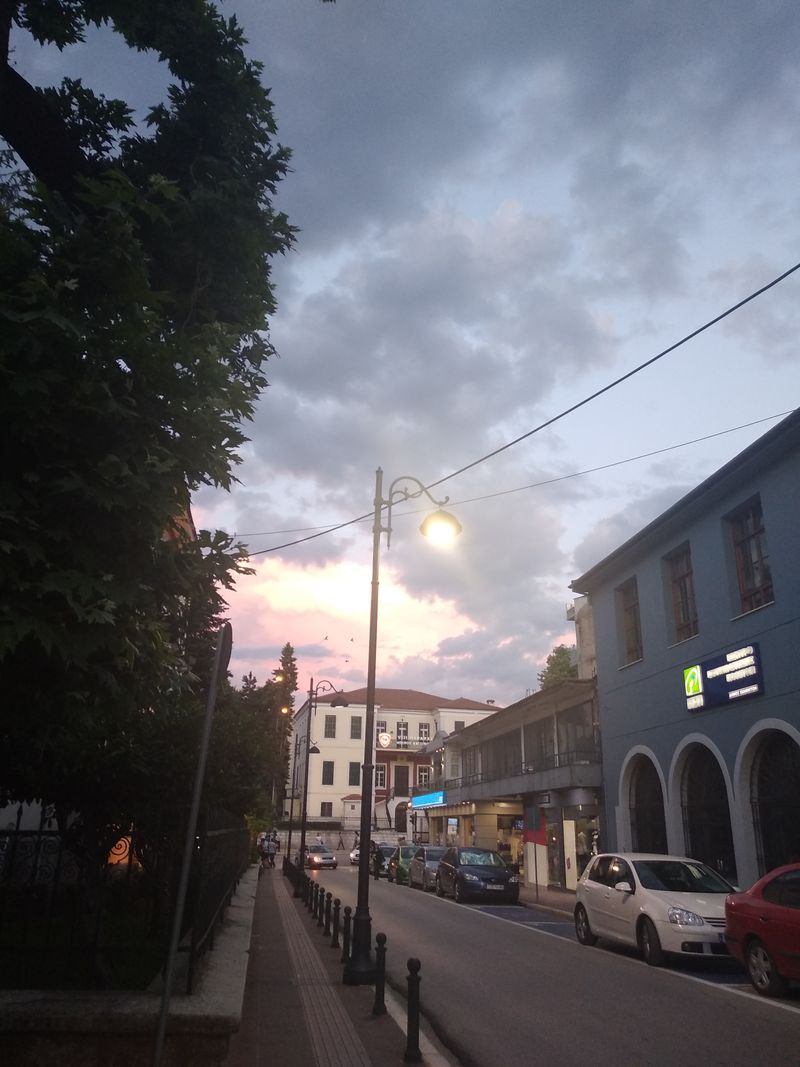
Nearly seven miles of wooden boardwalk trace the continent’s edge from North Beach Oceanside Park through the electric pulse of South Beach and into the leafy calm of South Pointe Park. This is not merely a walking path. It is a longitudinal study in how Miami reveals itself — a single promenade along which the city’s entire character unfolds in under ninety minutes on foot.
The northern reaches are residential and contemplative — joggers, dog walkers, the occasional artist sketching the shoreline. As you approach the Art Deco district, the energy escalates: music from hotel pools, the clatter of café service, the particular choreography of South Beach humanity that has been fascinating observers since the 1920s. The southern terminus at South Pointe Park delivers a view of the Port of Miami cruise ships that makes you feel, for a moment, as though you could simply walk out to sea.
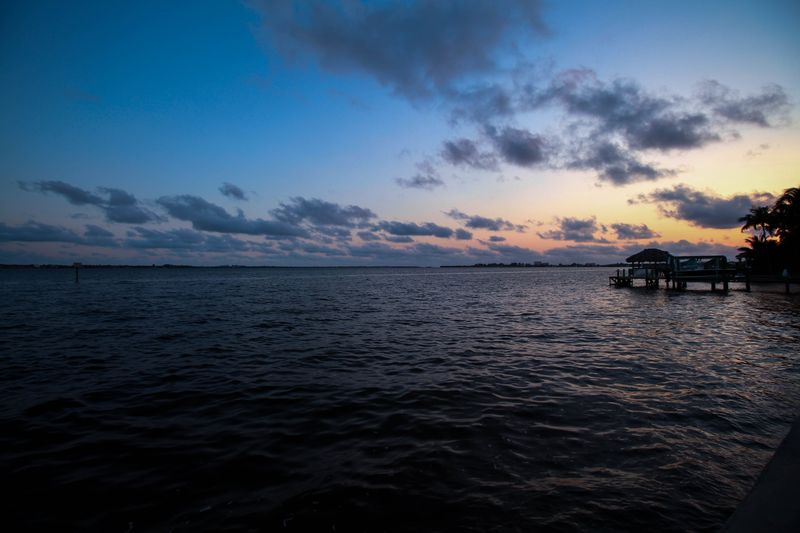
The boardwalk is open from dawn to dusk. Arrive at sunrise and you share it with serious runners and the kind of light that photographers travel across continents to capture. Arrive at sunset and you join a promenade of evening strollers united by the same unspoken understanding: that walking along the Atlantic at the edge of a city this beautiful is, itself, a form of wealth.
Free Museum Days — When Miami Opens Its Cultural Vaults
Miami’s cultural institutions understand something that cities twice their age often forget: art gains power through access. Throughout the month, the city’s most significant museums swing their doors open — sometimes for a day, sometimes by donation — and the treasures within become genuinely public.
The Pérez Art Museum Miami opens free every second Saturday, transforming its waterfront veranda and hemispheric galleries into a celebration of art from the Americas, the Caribbean, and the African diaspora. The Phillip and Patricia Frost Museum of Science offers periodic free admission days — check their calendar — granting access to the Gulf Stream Aquarium and the planetarium’s cosmic dome without the usual ticket price. The Bass Museum in Miami Beach operates on a pay-what-you-wish model that makes contemporary art encounters a matter of conscience rather than cost.
The Miami-Dade Public Library System’s Main Library houses gallery spaces that rotate exhibitions of local and international art entirely free of charge. The Wolfsonian-FIU, that extraordinary museum of modern art and design on Washington Avenue, offers free admission on Friday evenings from 6 to 9 PM — a time when the Art Deco district is already performing its nightly metamorphosis, and a museum visit becomes prelude to an evening walk through neon and sea breeze.
Mark your calendars. Time these visits right, and Miami’s most enriching cultural experiences cost nothing but intention.
Sunset Yoga on the Sand — Communion with the Atlantic, Complimentary
Every evening, as the sun begins its unhurried descent toward the Everglades, a particular ritual unfolds on Miami’s beaches — one that costs nothing and delivers something that luxury spas charge handsomely to approximate. Free community yoga sessions have become a staple of Miami Beach life, and they represent something the city does better than almost anywhere: the democratization of wellness.
North Shore Open Space Park hosts regular sunset sessions where local instructors guide practitioners through flows performed on sand still warm from the day’s sun, the Atlantic providing an ambient soundtrack that no sound machine has ever convincingly replicated. Lummus Park in South Beach offers similar sessions with the Art Deco skyline as backdrop — a juxtaposition of ancient practice and modern architecture that only Miami would think to arrange.
Bring a towel. Bring nothing else. The instruction is provided by the community. The setting is provided by geography. The peace of mind is, remarkably, free.

The Biltmore Hotel — A Coral Gables Grand Dame You Can Simply Walk Into
George Merrick’s 1926 vision for Coral Gables included a hotel that would announce his city’s ambitions to the world. He commissioned a Mediterranean Revival masterpiece — 315 feet of coral stone and copper dome that has hosted everyone from Al Capone to the Duke and Duchess of Windsor, from Judy Garland to the gangsters who eventually turned it into a veterans’ hospital before civic pride restored it to its original grandeur.
Today, the Biltmore’s lobby is free to explore, and exploring it is essential. The ceilings rise to proportions that make architecture feel like music. The original fixtures and furnishings carry the patina of a century of glamorous encounters. The courtyard’s fountain garden, visible from the lobby, arranges tropical foliage into something between a painting and a mirage. On Sundays, the hotel’s Sunday brunch — a legendary Coral Gables institution — provides the soundtrack of live jazz drifting through public spaces, allowing even non-diners to absorb the atmosphere.
Walk the grounds. Study the detailing. Stand in the courtyard and look up at that copper dome against the Florida sky, and understand that this building was not merely a hotel — it was a manifesto. Access to manifestos, in Coral Gables at least, remains free.
The Holocaust Memorial Miami Beach — Sculpture as Moral Architecture
At the corner of Meridian Avenue and 19th Street, a sculpture of devastating power rises from a still reflecting pool: a bronze arm reaching forty feet toward the sky, its surface covered with sculpted figures — mothers, children, the elderly — climbing toward an opening in the forearm that reveals a Star of David. This is Kenneth Treister’s Holocaust Memorial, and it is among the most affecting works of public art anywhere in the United States.
The memorial is free to visit, and visiting it is not optional — not if you wish to understand the full range of what Miami contains. The sculpture garden surrounding the central arm unfolds as a narrative: a tunnel of black granite etched with names of concentration camps, a serene garden of meditation, an eternal flame. The contrast with the Art Deco frivolity three blocks away is not accidental. It is architectural philosophy made physical: that beauty and horror coexist, that memory must be audible even in paradise, that the most important experiences a city offers are not always the most pleasurable.
Spend thirty minutes here. It will cost nothing. It will reconfigure something inside you that paid attractions rarely touch.
Bayfront Park and Maurice A. Ferré Park — Downtown’s Free Waterfront Living Rooms
Where Biscayne Bay meets downtown, two adjacent parks offer something that no commercial venue in Miami can: unobstructed, unmediated, uncommodified access to the most dramatic waterfront skyline in the southeastern United States. Bayfront Park stretches along the bay with the sort of casual generosity that makes you forget you’re in the heart of a major metropolis. Maurice A. Ferré Park — the renamed, revitalized green space just to the north — adds sculpture installations and wide lawns that invite the kind of unstructured lingering that cities too often forget to provide for.
Both parks are free. Both offer views of Biscayne Bay that real estate developers would build towers to capture. The Intercontinental Hotel’s LED sculpture — a dancer that moves across the building’s facade every evening — is visible from the park’s benches, a free light show that has become one of Miami’s most photographed spectacles. Free yoga classes are held on Bayfront Park’s Tina Hills Pavilion. Salsa nights transform the park into a social dance that charges nothing for the rhythm.
This is Miami’s waterfront as it was always meant to be experienced: accessible, generous, and impossibly scenic.
Nature for a Song — Near-Free Parks That Deliver Wilderness
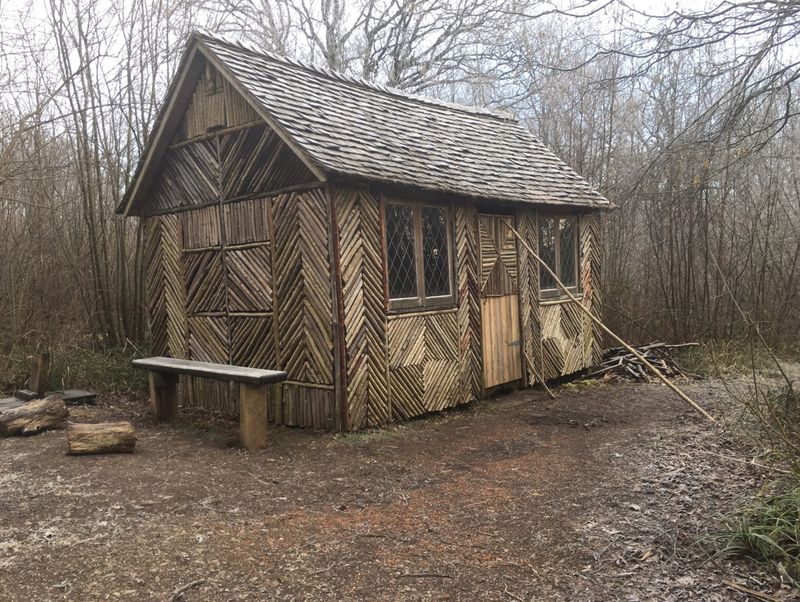
Miami’s natural offerings are not strictly free, but several approach the threshold so closely that excluding them would be an act of editorial dishonesty — especially when a single cocktail on Ocean Drive costs more than a family’s admission to these extraordinary places.
Bill Baggs Cape Florida State Park on Key Biscayne charges $8 per vehicle — less than a valet tip — and delivers the oldest standing structure in Miami-Dade County (the 1825 Cape Florida Lighthouse), one of the nation’s consistently top-ten-rated beaches, and nature trails through coastal hammocks where the only sounds are wind through seagrape leaves and the Atlantic meeting rock. This is where Miami goes when it wants to remember what Florida felt like before the towers.
Oleta River State Park in North Miami Beach is Florida’s largest urban park at $6 per vehicle — a thousand acres of mangrove channels, kayak trails, and sandy beach on Biscayne Bay where the city feels as distant as another century. Matheson Hammock Park in Coral Gables offers $7 admission to an atoll pool carved from coral rock and a waterfront that locals guard as jealously as any private club.
These are not budget alternatives. They are the real Florida — the substrate beneath the glamour — and they cost less than parking in Brickell.
The New World Symphony Wallcast — World-Class Performance, Free on the Park Lawn
Frank Gehry designed the New World Center in Miami Beach with an act of architectural generosity that remains unmatched: a 7,000-square-foot projection wall that broadcasts the symphony’s concerts into the adjacent SoundScape Park for free. On Wallcast nights, the park fills with blankets, picnic baskets, and an audience that ranges from symphony subscribers to tourists who happened to be walking by — all sharing the same world-class performance under the same subtropical stars.
This is not a community orchestra. The New World Symphony is America’s only full-time orchestral academy, and its musicians are among the most accomplished young instrumentalists in the world. Gehry’s building is a Pritzker Prize winner’s love letter to music, and the wallcast extends that love letter to anyone willing to sit on the grass and listen. It is the most democratic cultural gesture in a city sometimes accused of being only for those who can afford it, and it is absolutely characteristic of Miami: world-class art, made accessible, in a setting that rivals any concert hall on Earth — because the ceiling is the sky.
Bring a blanket. Bring wine. The music provides itself.
Miami’s particular genius has always been its refusal to be defined by a single register. The same city that invented the velvet rope also invented the idea that the finest view in town belongs to anyone standing on the sand at sunset. The same coastline that hosts hotel suites at four figures a night also hosts a boardwalk that has never charged a toll. The same cultural scene that attracts Art Basel’s global aristocracy also projects symphonies onto park walls for free.
The luxury traveler who understands this — who recognizes that the most exquisite experiences are often the ones that money cannot buy — will discover a Miami that exists beyond the transaction. It is a city of pastel corridors and domino games, of neons reflected in still memorial pools, of yoga practiced where the Atlantic meets the sand and the only cost is the decision to show up.
That decision, like the experiences themselves, is priceless.
Arrive with eyes open. Leave with standards recalibrated. That is what Miami’s free side teaches — and the lesson has no price tag.