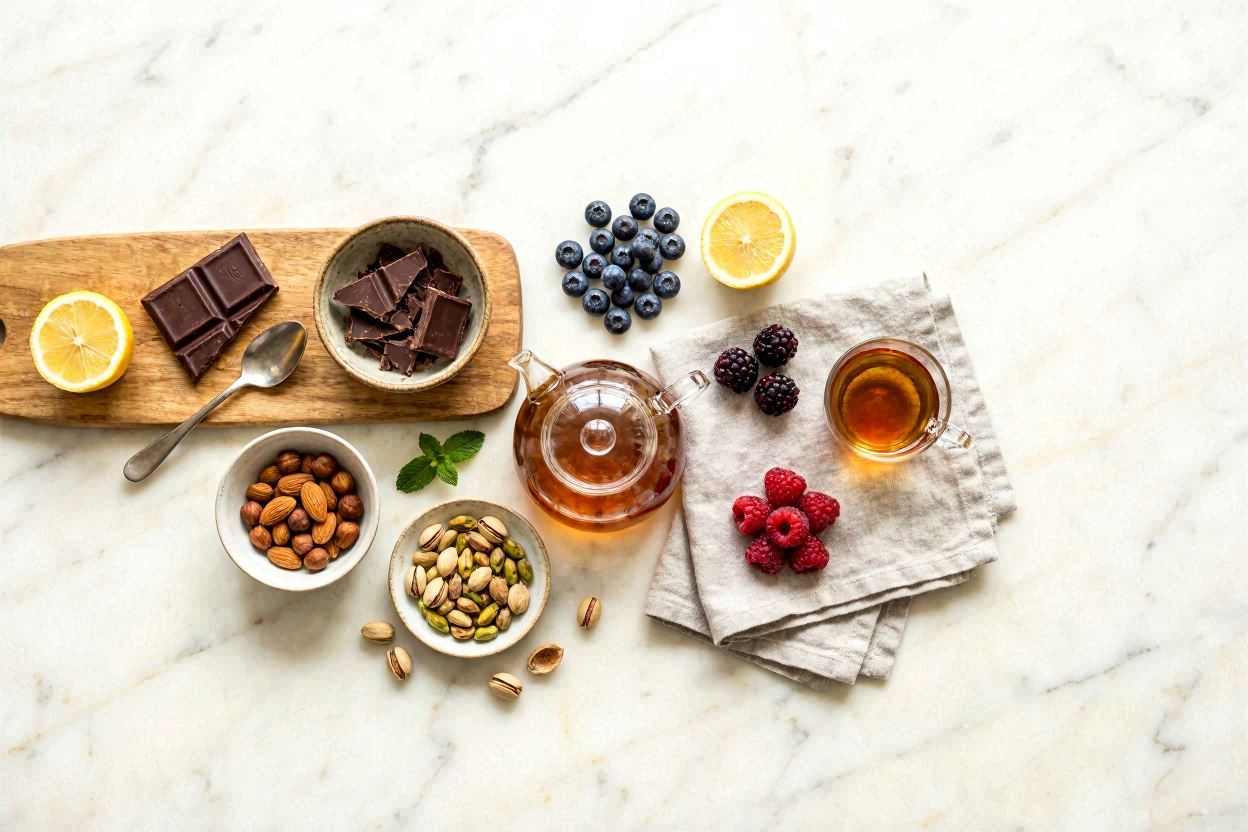
There’s a sentence you hear more and more in the rooms where decisions get made, in the studios where creative work happens, in the kitchens where someone is choosing between what’s convenient and what’s actually worth eating: luxury without health is just decoration.
You can have the tailored jacket, the reserved table, the address that raises eyebrows — and none of it lands the way it should if you’re running on empty, sleep-deprived, or subsisting on whatever the nearest convenience counter handed you between obligations. The body is the first venue of luxury. Everything else is downstream of how you treat it.
What’s changed recently isn’t the awareness that health matters — that’s been obvious for a generation. What’s changed is the texture of how people actually live it. The gym membership collected dust while the pandemic rewired our relationship with movement. The diet plan got abandoned when snacking became the default eating pattern for anyone spending long stretches at a desk, on a couch, or between locations. The old model — structured meals, scheduled workouts, willpower as the governing virtue — has quietly been replaced by something more fluid, more integrated, and frankly more realistic.
The new wellness isn’t a regimen. It’s a lifestyle. And the most revealing test of whether someone has actually adopted it isn’t what they do at the gym or serve at dinner — it’s what they reach for at three in the afternoon, when the energy dips and the craving hits and the easiest option is always the worst one.
This is the story of that shift: from obligation to integration, from guilt to intention, from snacks as afterthought to snacks as strategy.
The Global Shift: Wellness Without Walls
Something died during the pandemic that needed to: the idea that wellness lives in a building. For years, the gym was the temple and the membership card was the proof of devotion. You went. You checked in. You left. The ritual was spatial — defined by walls, mirrors, and the particular smell of rubber flooring and ambition.
Then the walls came down. Literally.
Home workouts didn’t merely survive the lockdowns — they evolved. What started as makeshift living-room sessions with water bottles for weights matured into a sophisticated ecosystem of smart equipment, streaming platforms, and bodyweight programs that rival anything a boutique studio offers. The Peloton in the spare room, the mirror that doubles as a trainer, the yoga mat that lives next to the bookshelf — these aren’t compromises. For a growing demographic, they’re the preferred setup. No commute. No schedule dependency. No performative aspect of fitness-as-social-proof. Just the work.
But the more interesting shift happened outdoors. Across European cities and American suburbs, a new kind of public infrastructure emerged: outdoor fitness stations nestled into parks, along walking trails, and around recreational paths. Parcours with pull-up bars beside benches for elderly walkers. Resistance stations adjacent to children’s playgrounds. The design philosophy was democratic and quietly radical — movement should be ambient, not sequestered. You don’t travel to exercise; you exercise as you travel.
The result is a hybrid pattern of activity that feels nothing like “working out” and everything like simply moving through the world differently. A morning walk that includes three stations of bodyweight work. A weekend park loop that alternates between brisk walking and resistance intervals. A lunch break that takes you through green space instead of through a drive-through. The boundary between fitness and daily life dissolves, and what replaces it is something more resilient: movement as a constant, low-grade hum rather than a sporadic, high-intensity spike.
The people who’ve adopted this pattern report something the gym-only crowd rarely experiences: consistency. Not the heroic kind that requires a 5 a.m. alarm and a pre-packed bag, but the organic kind that simply folds into the rhythm of the day. The walk becomes non-negotiable. The park circuit becomes second nature. The body receives regular, varied stimulus without the psychological overhead of a “workout session” that demands mental preparation and recovery time.
And here’s the detail that ties it all together: when your movement is integrated into daily life, your nutrition needs to be just as integrated. You can’t fuel an always-on lifestyle with food that only works at a table with a cloth napkin. You need fuel that travels, that fits in a pocket or a bag, that delivers when you need it without requiring a kitchen. You need — and this is where the conversation gets interesting — a smart snack.
Health as a Cultural Practice: How the World Lives Well
The shift toward holistic wellness isn’t happening in a vacuum — it’s happening simultaneously across cultures, economies, and continents, each shaping the movement through its own lens.
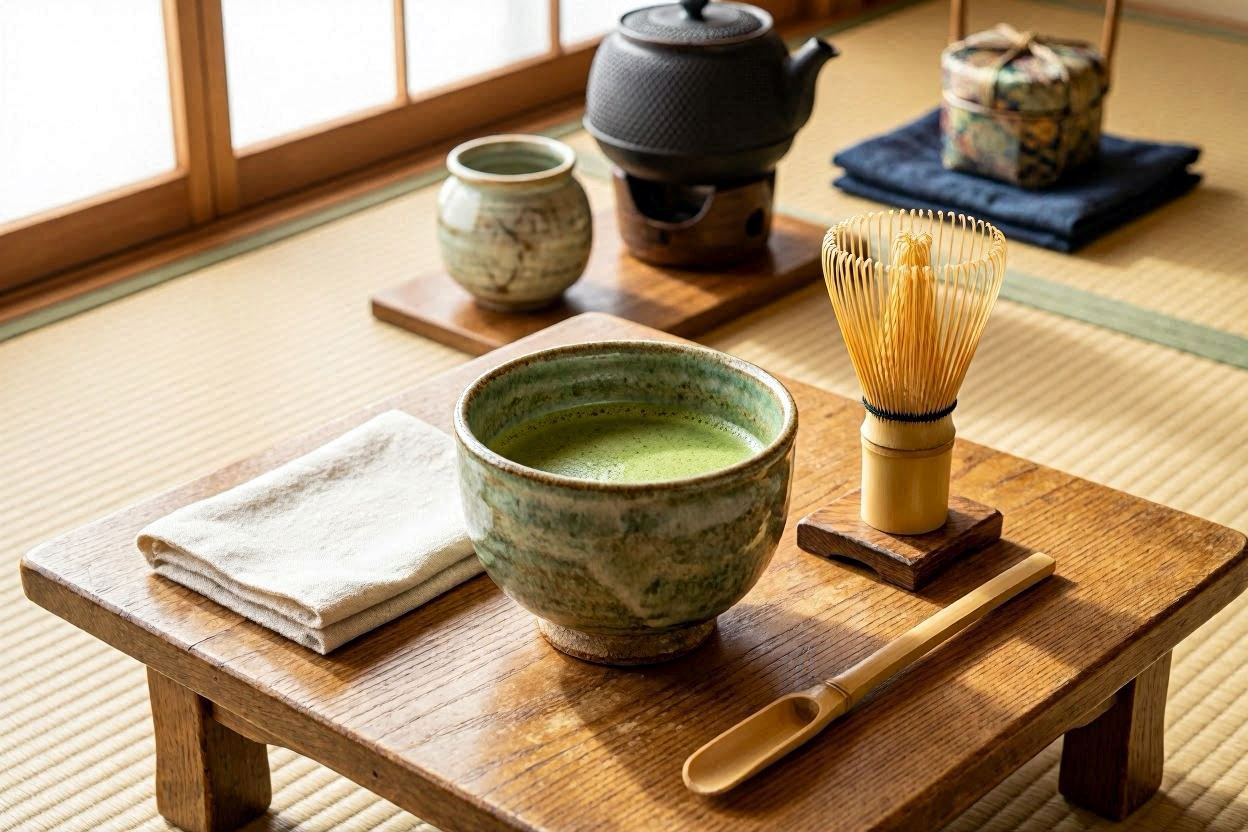
In Japan, the concept of hara hachi bu — eat until you’re 80% full — has guided eating behavior for centuries in Okinawa, producing some of the longest-living humans on record. It’s not a diet. It’s a cultural operating system that makes moderation automatic rather than effortful. The snack culture in Japan reflects this: small portions, umami-rich flavors, and a general preference for foods that satisfy without overwhelming. Dried fish, edamame, seaweed snacks — these aren’t health products. They’re just what you eat.
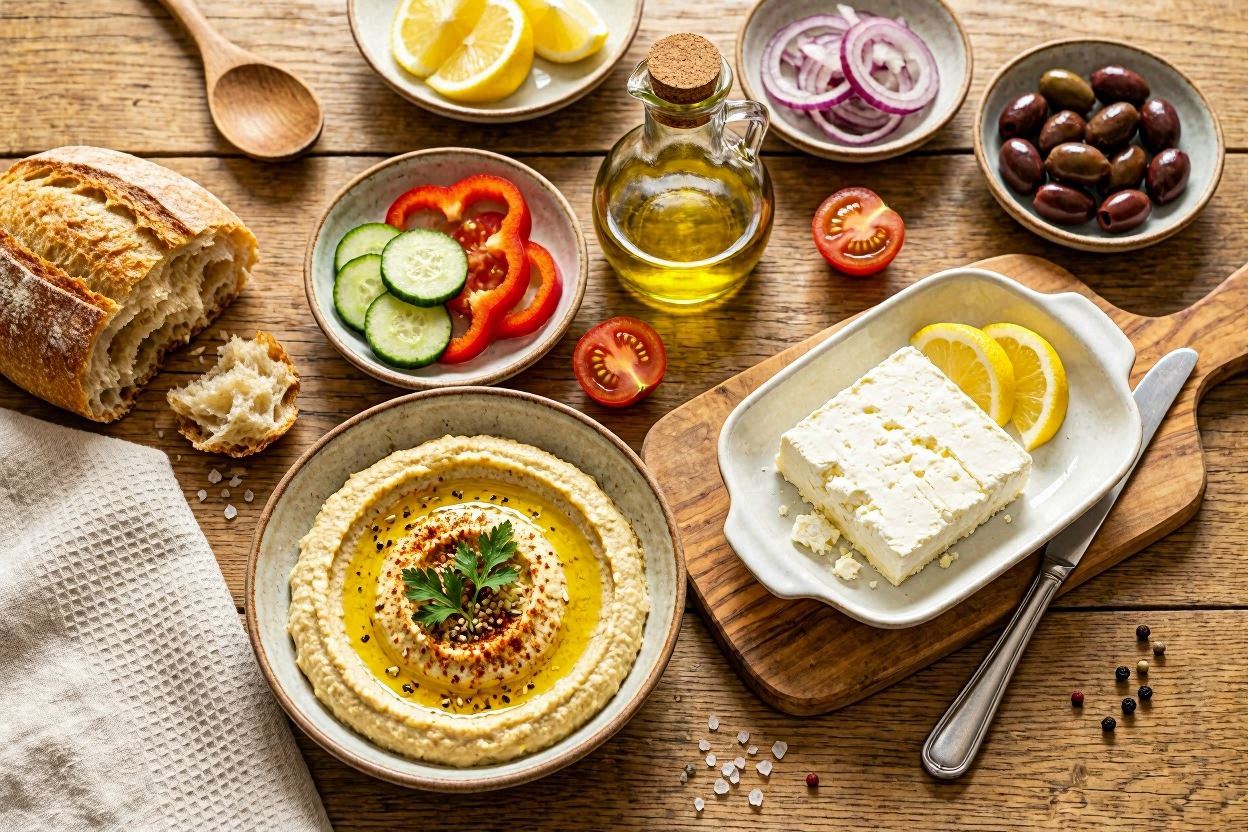
In the Mediterranean, the line between meal and snack barely exists. A handful of almonds consumed beside a glass of wine on a terrace. A plate of olives that appears unbidden between lunch and the evening walk. A slice of aged cheese with figs. The intelligence is in the composition: healthy fats, moderate protein, minimal processing. The snacking principle is ancient — eat whole foods, not food products.
Scandinavian cultures bring their own sensibility: simplicity, seasonality, and an almost ascetic resistance to overcomplication. A piece of crispbread with cured fish. Berries picked and eaten immediately. Rye with butter and nothing else. The snack is sparse but substantive — high in fiber, rich in nutrients, and free from the sugar cycle that drives the afternoon crash in more indulgent eating cultures.
What unites these approaches — despite their wildly different flavor profiles, ingredients, and traditions — is a shared understanding that snacking is not an exception to how you eat. It’s a continuation. The same principles that govern a good meal — whole ingredients, balanced composition, intentional flavor — govern a good snack. The cultures that figured this out centuries ago are the ones producing the centenarians and the people who don’t need a nutritionist to tell them what their grandmothers already knew.
The global wellness movement has, in a sense, been catching up with traditional wisdom. The modern contribution isn’t the principle — it’s the application. How do you maintain these standards when your day includes a 7 a.m. call, a 12 p.m. deadline, a 3 p.m. energy crisis, and a 6 p.m. training session? How do you carry the intelligence of a Mediterranean terrace snack into a day that happens between car seats, office chairs, and airport lounges?
This is where the conversation moves from culture to practice. From what to eat to how to choose.
The Intelligent Snack: Principles That Actually Work
Let’s be honest about what most snacking advice gets wrong: it treats snacks as miniature meals and applies meal logic to a situation that is fundamentally different. A snack isn’t a meal. It’s an intervention. It’s a bridge between the energy you had and the energy you need. It should stabilize, not spike. It should satisfy, not sedate. And it should feel like a choice, not a concession.
The principles below aren’t a diet plan. They’re a framework for thinking about what you reach for when the gap between meals widens — which, in the rhythm of modern life, is most afternoons and many evenings.
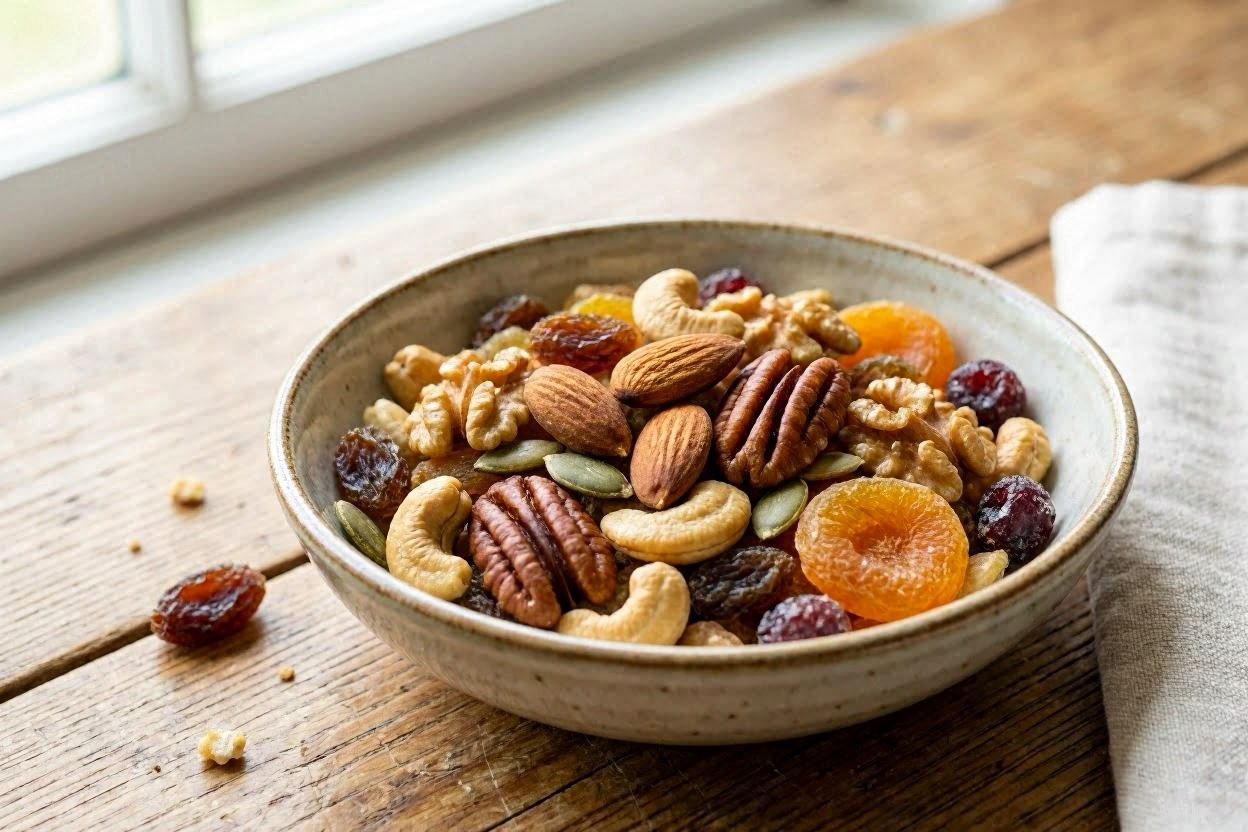
Seek protein density. The single most common failure mode of snacking is the carbohydrate-only approach. A piece of fruit, a granola bar, a handful of crackers — these provide quick energy but no structural satiety. Protein is the macronutrient that signals fullness to your brain, stabilizes blood sugar, and supports the muscle tissue that your integrated movement practice is building. Aim for snacks where protein is the dominant macronutrient — not the afterthought. Dried meat strips, roasted legumes, quality dairy, and nuts deliver protein in forms your body actually uses.
Minimize the carb tax. This doesn’t mean eliminating carbohydrates — it means being selective about which ones earn their place. A snack that’s 90% refined carbohydrate is an energy loan with compounding interest: the spike feels good for twenty minutes, and the crash that follows costs you the next hour and a half. Whole-food carb sources — fruit with the fiber intact, minimally processed grain products — are a different story. They release slowly. They don’t demand a nap as repayment.
Dried, not fried. This is one of the most consequential distinctions in the snack aisle, and most people don’t even realize it exists. Frying — even the “healthy” air-fried alternatives — adds fat, alters the protein structure, and often requires additional sodium and stabilizers to maintain shelf appeal. Drying, by contrast, removes moisture while preserving the original composition. A dried meat snack retains its protein content without acquiring added fat. Dried fruit retains its fiber without acquiring a coating. The texture is different — crunchier, more concentrated — but the nutritional math is dramatically better. When you have the choice between dried and fried, choose dried. Your body will confirm the decision within the hour.
Read the label like a contract. The ingredient list on a snack package is a legal document, and it’s written in a language designed to obscure more than it reveals. “Natural flavors” can mean dozens of compounds. “Protein” on the front of the package often means a product that’s 15% protein and 60% filler. The skill isn’t in knowing every additive — it’s in recognizing the pattern. If the list is longer than a reasonable sentence, the product is designed for shelf life, not for your life. If sugar appears in the first three ingredients under any of its sixty aliases, you’re eating dessert. If the protein content looks impressive but the ingredient list reveals it’s mostly isolate and binder, you’re eating architecture, not food. The clean label isn’t a marketing claim — it’s a decision-making tool. Use it.
Fuel, don’t deplete. The ultimate test of a snack is deceptively simple: how do you feel thirty minutes after eating it? Energized and clear? Or sluggish, foggy, and already thinking about the next thing? A good snack pays dividends. It extends your runway. It makes the next decision easier, the next effort more available, the next hour more productive. A bad snack is a tax on the time that follows it. Once you start paying attention to this signal — not the taste, not the marketing, but the aftermath — your snacking instincts recalibrate on their own. The body is a honest accountant. It keeps better books than any nutritionist.
The Snack as Lifestyle: Building the Habit That Sustains You
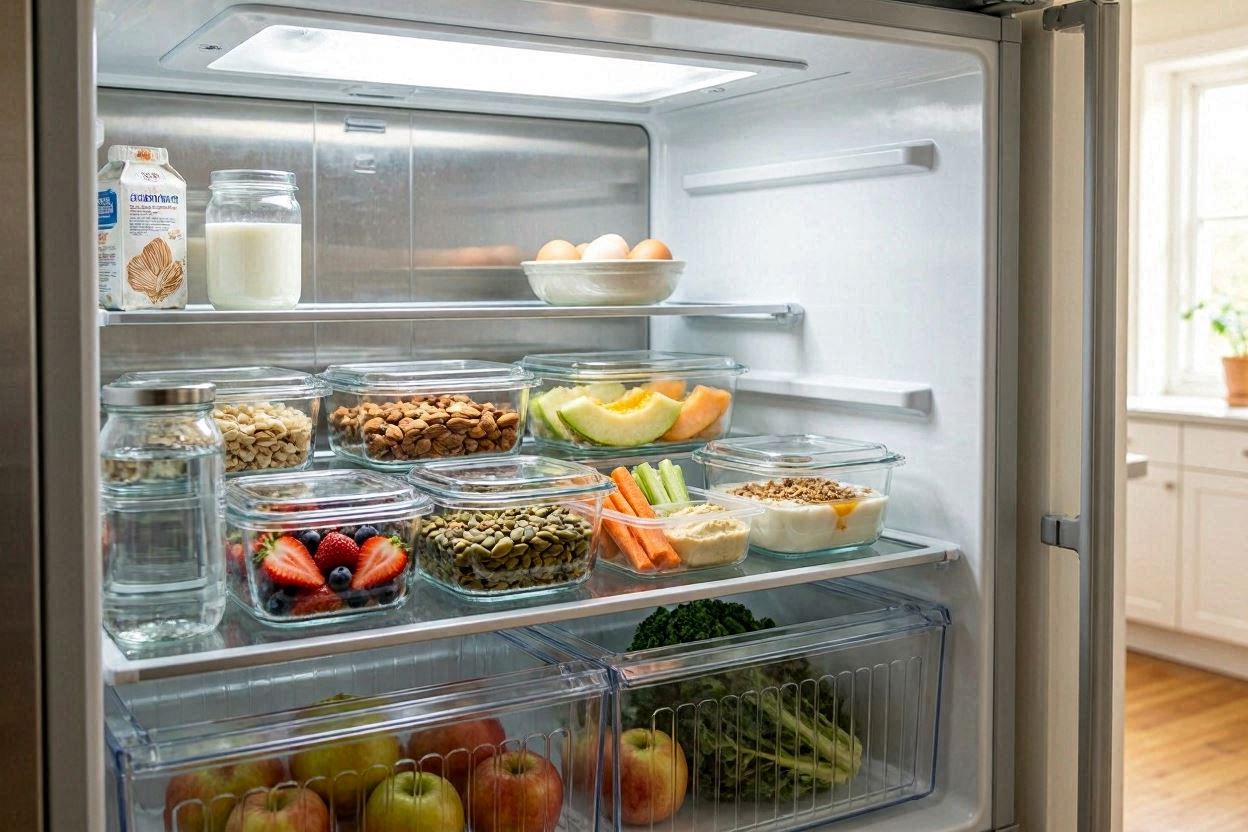
There’s a reason the snacking conversation matters more now than it did a decade ago: the structure of daily life has changed in ways that make traditional meal patterns increasingly unrealistic. We move more frequently. We work more flexibly. We eat at our desks, in our cars, between meetings, after workouts, before flights. The three-square-meals model was designed for a world that no longer exists for most people, and pretending otherwise is just a form of nutritional nostalgia.
The people who navigate this reality well — who maintain energy, clarity, and physical condition despite schedules that would flatten a less-prepared metabolism — share a common practice: they don’t leave snacking to chance. They carry options. They prepare alternatives. They know what works for their body and they default to it rather than improvising under the pressure of genuine hunger, which is the worst possible time to make a good nutritional decision.
This isn’t rigidity. It’s the same principle that governs every other area of intentional living: preparation beats improvisation. The well-curated snack bag is the nutritional equivalent of the well-packed carry-on — it doesn’t restrict you; it frees you from worst-case scenarios. And in the same way that a thoughtfully assembled travel kit makes the journey smoother, a thoughtfully assembled snack repertoire makes the day smoother. No crashes. No desperate convenience store runs. No afternoon fog that costs you the two most creative hours of the day.
The shift from grazing to snacking with intention is one of those small changes that produces outsized returns. It doesn’t require a life overhaul. It doesn’t require a nutritionist. It doesn’t require abandoning pleasure — in fact, when you stop eating things that make you feel worse, the things that make you feel better start to taste better too. The palate adjusts. The cravings recalculate. The body, given consistent honest fuel, stops demanding the processed emergency rations it used to settle for.
A Final Note on the Luxury of Choice
The real luxury in wellness isn’t the organic certification or the cold-pressed processing or the boutique packaging. It’s the choice. The choice to eat well when eating badly would be easier. The choice to carry a snack that serves you when vending machines line every corridor. The choice to read a label when the marketing team spent millions ensuring you wouldn’t.
Health as a lifestyle — not a project, not a resolution, not a January enthusiasm that expires by Valentine’s Day — is built in these small, daily, almost invisible decisions. The morning walk. The outdoor circuit. The snack that fuels instead of depletes. None of them are dramatic. All of them compound.
The people who understand this don’t talk about discipline. They talk about standards. They don’t count willpower points. They design environments — physical and nutritional — where good choices become the path of least resistance rather than the uphill battle.
That’s the shift, and it’s happening in real time all over the world: from wellness as obligation to wellness as identity. From “I should eat better” to “this is what I eat.” From “I need to exercise” to “this is how I move.” From “I’ll grab something quick” to “I’m prepared — and what I’m carrying is worth eating.”
Luxury without health is just decoration. And the most decorated life in the world means nothing if you don’t have the energy to live it.