
There is a particular shade of green — luminous, almost electric — that signals something extraordinary is about to happen. It appears when spring sunlight hits a canopy of shade-grown tea plants in the hills outside Kyoto. It appears again seconds later in a ceramic bowl, as a bamboo whisk transforms emerald powder into froth. And it is appearing now, with increasing frequency, in the hands of nutritionists, longevity researchers, and anyone who takes their wellness as seriously as their wardrobe.
Matcha is not new. It has been the cornerstone of Japanese tea ceremony for over nine centuries — a ritual that treats the act of preparing and drinking tea with the same reverence a sommelier reserves for a first-growth Bordeaux. What is new is the science: a growing body of metabolic research that confirms what monks and emperors intuited long before peer review existed. This powdered green tea does not merely hydrate. It recalibrates.
The question of whether matcha supports weight loss is no longer speculative. It is measurable, reproducible, and — for anyone willing to commit to the practice — genuinely effective. Here is what a thousand years of tradition and a decade of clinical data have to say about it.
What Makes Matcha Different: The Whole Leaf, Consumed
Most tea is an infusion — hot water passes through dried leaves, extracts what it can, and the leaves themselves are discarded.
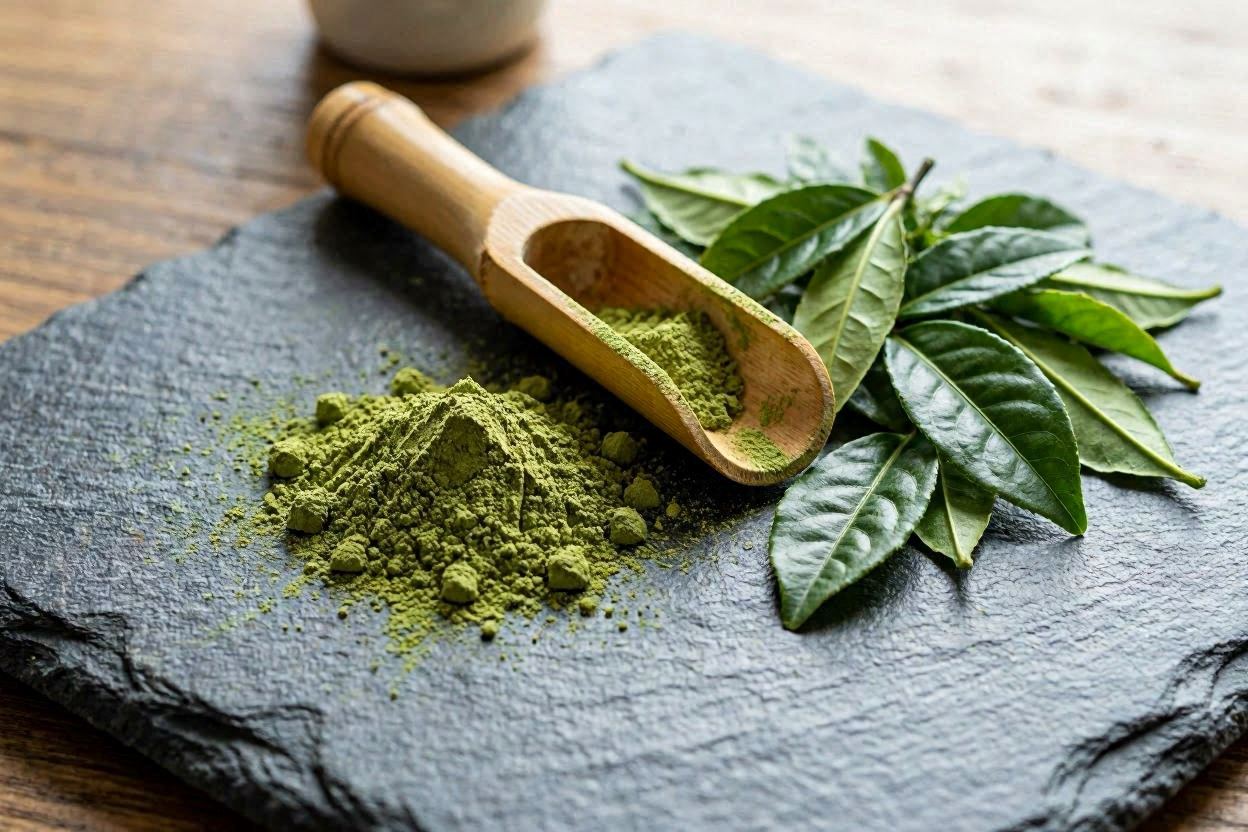
The difference begins even earlier, in the fields. Several weeks before harvest, tea plants destined for matcha are covered with shade structures — a technique that blocks up to 90% of direct sunlight. This deliberate deprivation triggers a survival response: the plants accelerate production of chlorophyll and amino acids, particularly L-theanine, to maximize what little light reaches them. The result is a leaf that is richer in the very compounds that make matcha a metabolic ally — catechins, antioxidants, and calming amino acids — than any conventionally grown green tea could ever be.
This is not a trivial distinction. By consuming the whole leaf of a shade-grown plant, you receive concentrations of active compounds that dwarf even the finest steeped sencha. One serving of matcha delivers the antioxidant Equivalent of roughly ten cups of standard green tea. The implications for metabolism, fat oxidation, and appetite regulation are significant — and the science is beginning to quantify exactly how significant.
The Four Science-Backed Mechanisms: How Matcha Reshapes Metabolism

1. A Measurable Boost to Resting Metabolism
The most fundamental question in any weight loss conversation is this: how many calories does your body burn when you are doing nothing? That number — your resting metabolic rate — determines a surprising share of your daily energy expenditure. Anything that raises it, even modestly, compounds over weeks and months into a meaningful difference.
A landmark 2018 meta-analysis published in the American Journal of Clinical Nutrition found that regular consumption of green tea catechins — the class of compounds abundant in matcha — increases resting energy expenditure by 4 to 5 percent. To make that concrete: for someone with a resting metabolic rate of 1,600 calories per day, that translates to roughly 64 to 80 additional calories burned before a single step is taken or a single workout is completed. Over a month, that is the caloric equivalent of a full day of eating — simply from incorporating matcha into a daily routine.
The mechanism is elegant. Catechins inhibit the enzyme that degrades norepinephrine, a neurotransmitter that signals fat cells to release stored energy. With norepinephrine lingering longer in the synaptic cleft, the signal to burn fat amplifies — not through a stimulant crash, but through a sustained, gentle nudge to the body’s own metabolic machinery.
2. EGCG and the 17% Thermogenesis Effect
Within the catechin family, one compound dominates the conversation: epigallocatechin gallate, or EGCG. It is the most biologically active catechin in green tea, and matcha delivers it in concentrations that steeped tea cannot approach.
Research has demonstrated that EGCG directly activates thermogenesis — the process by which the body generates heat and, in doing so, burns stored fat. A widely cited clinical study measured a 17 percent increase in thermogenic rate following green tea catechin consumption. To appreciate what this means: the fat that would otherwise accumulate around the waist, hips, and thighs is instead mobilized and oxidized. It is “burned” before it settles.
This is not theoretical. The fat-oxidation effect of EGCG is one of the most consistently replicated findings in sports nutrition literature. The implication for anyone pursuing a leaner physique is straightforward — matcha does not simply suppress appetite or provide a caffeine-driven energy spike. It unlocks a fundamentally different metabolic pathway, one that preferentially incinerates stored fat rather than allowing it to deposit.
3. L-Theanine and the End of Anxiety Eating
Weight loss conversations rarely address the most insidious obstacle: the 3 p.m. craving that has nothing to do with hunger and everything to do with stress. Anxiety eating, emotional snacking, the reflexive reach for something sweet when cortisol rises — these behavioral patterns sabotage more diets than any metabolic slowdown ever could.
Matcha addresses this with remarkable specificity. The shade-growing process that defines matcha production creates extraordinary concentrations of L-theanine, an amino acid that crosses the blood-brain barrier and increases alpha-wave activity in the cerebral cortex. The subjective experience is a state of calm alertness — focused, present, and notably uninterested in the snack drawer.
Research from Kyoto University has confirmed that regular matcha consumption reduces the frequency and intensity of snack cravings, particularly in the afternoon hours when willpower typically wanes. The mechanism is both neurological and practical: L-theanine modulates the sympathetic nervous system, lowering cortisol and anxiety without inducing drowsiness. When the stress-eating impulse is neutralized at its source, fewer excess calories are consumed. No willpower required — just a different internal chemistry.
4. Endurance Without the Crash
Every weight loss strategy benefits from physical activity, and every physical activity benefits from sustained energy. The caffeine in matcha — approximately 30 to 50 mg per serving, depending on concentration — provides a clean, graduated energy lift without the sharp spike and precipitous crash associated with coffee or synthetic pre-workout supplements.
The reason is L-theanine again. By binding to glutamate receptors in the brain, it tempers the jittery, overstimulated edge of caffeine while preserving its ergogenic benefits. The result is endurance that feels organic — a steady hum of energy rather than a jolt. For anyone who trains, this translates to longer sessions, better focus, and more productive workouts. For those who are simply trying to move more throughout the day, it means fewer afternoon collapses and more steps taken before sunset.
The Practical Protocol: How to Drink Matcha for Weight Loss
Understanding the science is one thing. Translating it into a daily practice is another. The metabolic benefits of matcha are real, but they are also cumulative — they require consistency, correct preparation, and a willingness to treat the process as a long game rather than a quick fix.
Morning: Before Breakfast
Dosage. Begin with one serving per day — roughly 1 to 2 grams of ceremonial-grade matcha (half to one level teaspoon). After a week, consider increasing to two servings if tolerance is good. Resist the temptation to exceed this. Matcha contains caffeine, and more is not better. The active compounds work within a physiological range; exceeding it yields diminishing returns and potential side effects without additional benefit.
Timing. The optimal window is 30 minutes before a meal or 30 minutes before physical activity. Before a meal, the catechins prime the metabolic engine — fat oxidation is already elevated by the time food arrives, and the caloric thermic effect of the meal itself is amplified. Before exercise, the combined action of caffeine and EGCG mobilizes fatty acids for fuel, shifting the body’s energy preference toward stored fat rather than glycogen. Either way, matcha is not an after-dinner drink. Its metabolic potency is best deployed in advance.
Temperature. This is non-negotiable: never use boiling water. Water at 70 to 80 degrees Celsius (158–176°F) preserves the delicate lattice of catechins, L-theanine, and vitamins that makes matcha effective. Boiling water denatures these compounds and produces a bitter, astringent brew that is both less pleasant and less functional. Invest in a variable-temperature kettle or simply bring water to a boil and let it rest for three to four minutes before pouring.
Consistency. This is where most people falter. The metabolic effects of matcha are not dramatic on day one — they are architectural, building slowly through repeated exposure. A minimum of two months of daily consumption is required before measurable changes in body composition become apparent. Three months is preferable. The catechins must accumulate; the body must adapt; the habits must solidify. Anyone who tells you matcha produces overnight transformation is selling something. The truth is more interesting: small, compounding gains that, over twelve weeks, amount to something visibly and measurably different.
The Ritual: How to Prepare Matcha Properly
The Japanese tea ceremony — chanoyu — treats the preparation of matcha as a form of moving meditation. You do not need to master four hours of prescribed gesture to benefit from the practice, but the underlying principle is worth preserving: how you prepare matcha matters as much as that you prepare it.
Step one: Measure. Sift 1 to 2 grams of ceremonial-grade matcha powder into a wide, shallow bowl — a chawan, if you have one. The sifting is not decorative; it breaks up clumps that would otherwise resist whisking and produce an uneven, gritty drink.
Step two: Add water. Pour 50 to 60 milliliters of hot water at 70 to 80°C over the powder. Not more — this initial quantity should be just enough to form a thick, paint-like paste.
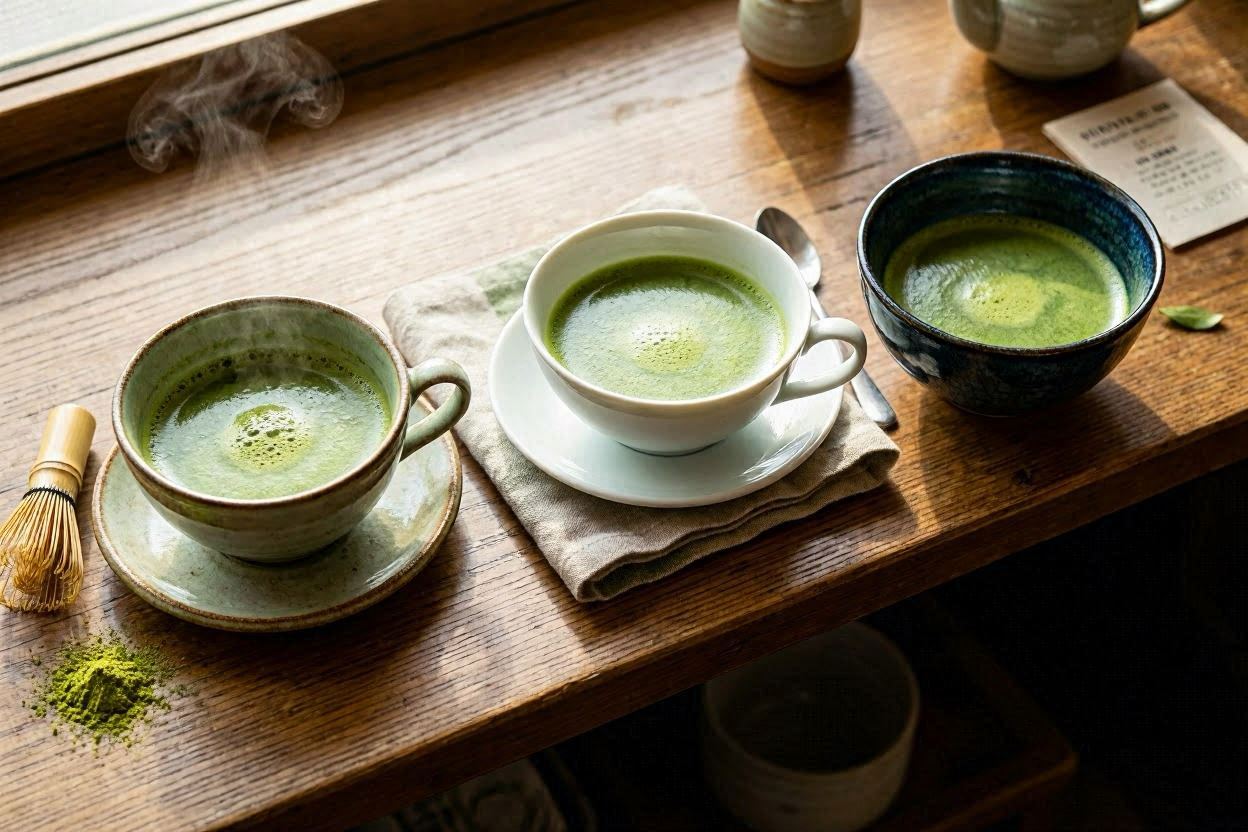
Step three: Whisk. Using a bamboo chasen (tea whisk) or, for those without one, a small electric milk frother, whisk briskly in a zigzag “W” or “M” motion — not in circles. The goal is to suspend the powder uniformly in the water while introducing air. After 15 to 20 seconds of vigorous whisking, the surface should be covered in a layer of fine, jade-colored foam with no visible clumps.
Step four: Dilute. Add additional hot water to taste — typically another 100 to 150 ml — and stir gently. The result should be a smooth, vividly green brew with a creamy mouthfeel and an umami-forward flavor that balances vegetal freshness with a faint, natural sweetness.
A matcha latte is permissible, though it introduces calories from milk. If the latte form is your preference, use skimmed or unsweetened plant milk to keep the caloric cost minimal. The ritual, however — the slow sifting, the measured pour, the rhythmic whisking — is worth preserving regardless of form. It is a two-minute ceremony that interrupts the momentum of a busy day and returns you to something attentive and deliberate. The mental health benefit of that pause may rival the metabolic one.
Contraindications: Who Should Approach Matcha With Caution

No substance with pharmacological activity is universally benign, and matcha is no exception. Its potency — the very quality that makes it effective — also demands respect.
Caffeine sensitivity. A serving of matcha contains roughly half the caffeine of an espresso, but it is delivered alongside L-theanine, which modulates its effect. For most people, this produces a gentler stimulation than coffee. For those with clinical caffeine sensitivity — insomnia, tachycardia, or anxiety after even modest caffeine intake — matcha should be approached carefully, beginning with small doses and consumed no later than early afternoon.
Pregnancy and breastfeeding. The caffeine content, while moderate, necessitates caution during pregnancy and lactation. Most guidelines suggest limiting total caffeine intake to 200 mg per day during pregnancy. One serving of matcha (30–50 mg caffeine) fits within this budget, but consult a physician before making it a daily habit.
Gastrointestinal conditions. Green tea catechins can irritate the gastric mucosa. Individuals with active ulcers, gastritis, or other acute GI conditions should avoid matcha until the condition resolves. In remission, modest consumption may be tolerable, but medical guidance is essential.
Allergy potential. True tea allergy is rare, but not unprecedented. If you have a known sensitivity to green tea or tea-family plants, observe carefully on first exposure. Any reaction — hives, swelling, respiratory difficulty — warrants immediate discontinuation and medical evaluation.
The Longer View: Matcha as Practice, Not Pill
There is a temptation, reinforced by a culture of supplements and shortcuts, to approach matcha as a metabolic accessory — something you add to an already chaotic diet and sedentary routine and hope for transformation. The science does not support that framing, and neither does the tradition.
Matcha works — the data is clear on that. But it works within a life that includes regular movement, adequate sleep, and a diet that prioritizes whole foods over processed convenience. The four percent metabolic boost compounds under those conditions. The 17 percent thermogenic enhancement stacks with the increased caloric expenditure of consistent exercise. The anxiety-eating reduction amplifies the effects of a deliberate approach to nutrition.
The Japanese understood this intuitively. The tea ceremony was never isolated from the rest of life — it was a microcosm of it. The attention paid to temperature, to timing, to the quality of the powder, reflected a broader philosophy: that small disciplines, practiced consistently, produce extraordinary results. The modern research simply confirms what the tradition already knew.
Three months. Two servings a day. Proper temperature, patient preparation, and the willingness to treat a bowl of bright green tea not as a quick fix but as a daily practice. That is the protocol the monks followed. That is the protocol the data supports. The results — metabolic, physical, and, perhaps most importantly, mental — speak for themselves.