Most people picture the UK through a foggy lens: drizzle, castles, and a stiff upper lip. Fair enough — those things exist. But scratch the surface and you’ll find a country that is wilder, warmer, and more surprising than any postcard lets on. A place where ancient volcanic columns march into the sea, where 400-year-old oaks still grow in forests that predate the pyramids, and where the national dish in one town is a cheese invented next to a gorge full of Neolithic skeletons.
We combed through traveler stories, local knowledge, and years of accumulated wanderlust to surface the ten places that actually change people’s minds about Britain. Pack a raincoat. Bring an appetite. Prepare to be wrong about everything you thought you knew.
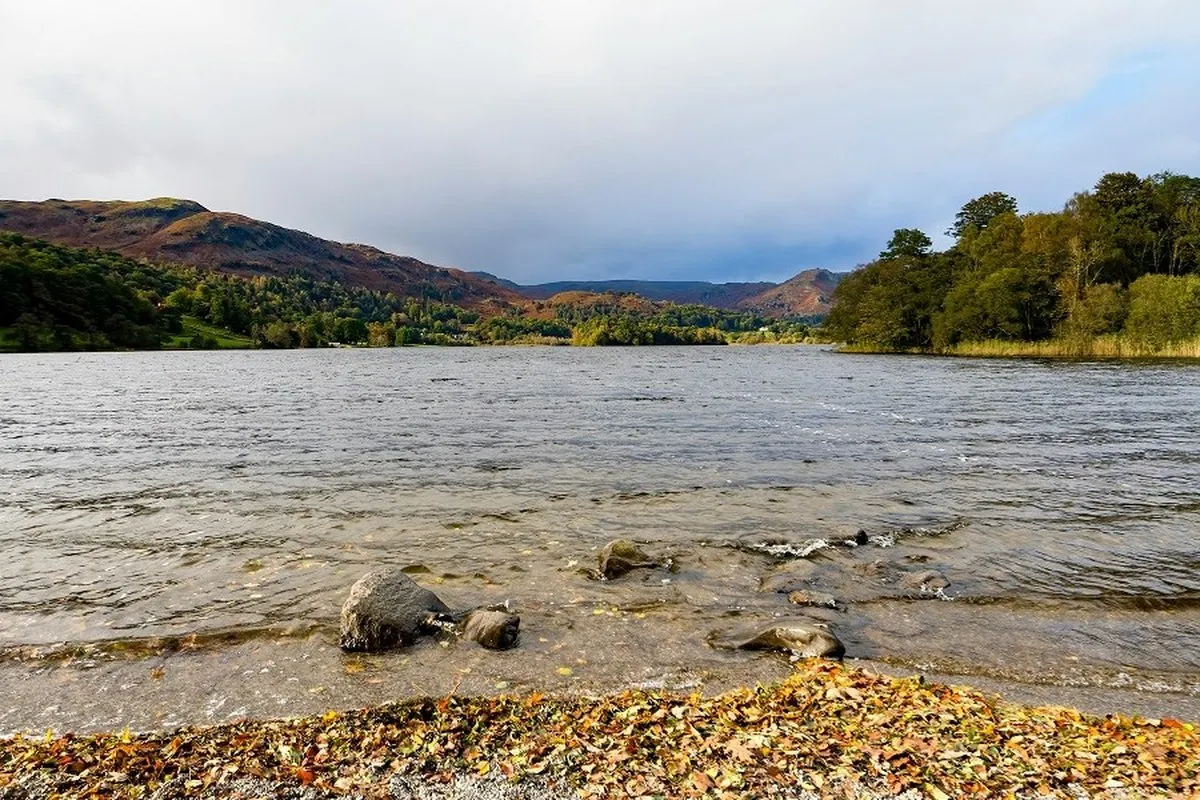
1. The Lake District, Cumbria — Where England Reaches for the Sky
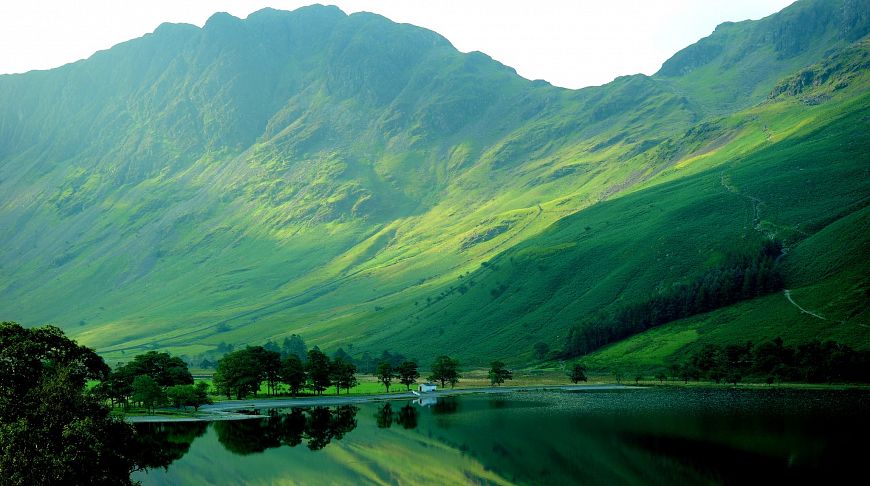
Sixteen lakes, emerald valleys, craggy peaks, heather-covered moors, and forests that look like they were borrowed from a fantasy series. William Wordsworth fell hard for this place in the late 1700s, and Jane Austen kept sending her heroines here for character development. Since 1951 it’s been a national park — the largest in England — and it keeps climbing higher: Scafell Pike, at 978 metres, is the tallest mountain in the country.
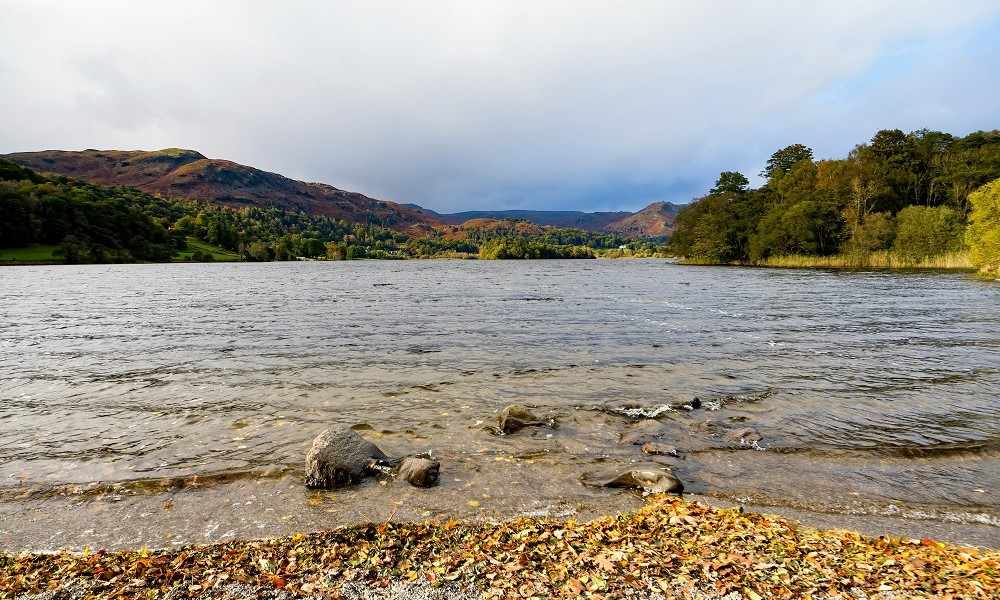
The Lake District rewards every kind of traveler. Boaters and paddlers head for Windermere, England’s largest natural lake, where the water-reflected mountains do things to your perspective that no hiking trail can replicate. Cyclists weave through passes that test both lungs and gears. Families ride the historic railway lines that thread the valleys — a godsend for travelers without a car. And lately, the region has added another dimension: it has quietly become one of Britain’s most exciting culinary regions, with Michelin-starred kitchens hiding in stone villages you’d struggle to find on a map.
Best time: April–September (shoulder season for fewer crowds) Nearest airport: MAN Manchester (also LPL Liverpool) Get there without a car: Train to Oxenholme, then the Lakes Line to Windermere Perfect for: Hikers, photographers, families, food lovers Know before you go: Scafell Pike requires proper hiking gear — trainers won’t cut it
2. Bath, Somerset — The Georgian Stage Set with Roman Roots
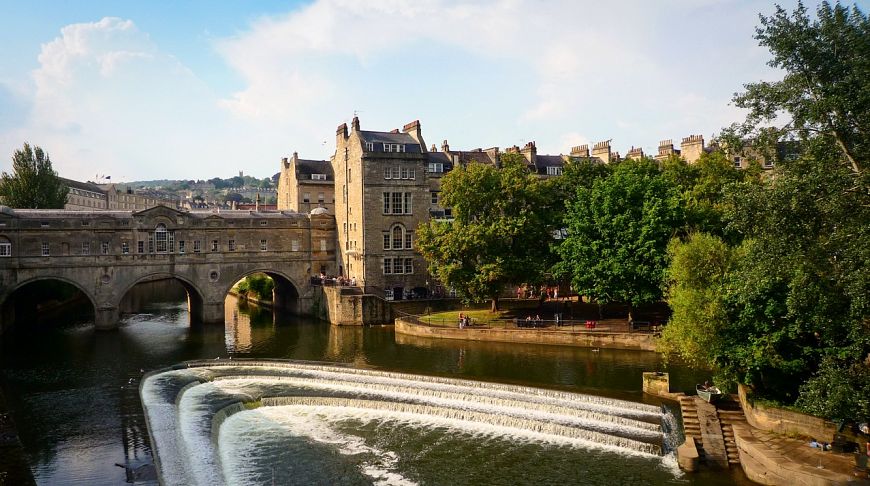
Seven hills, one Roman spa, and an entire city that looks like a period drama set. Bath earned its UNESCO status honestly: the Georgian and Palladian architecture here is so uniformly gorgeous that the Royal Crescent still doubles as a filming location for every Jane Austen adaptation worth its bonnet.
Start at Bath Abbey — a Gothic masterpiece that anchors the city center — then wander to The Circus, an impossibly circular street modeled on the Colosseum. The brainchild of two architects named John Wood (father and son), the city’s layout was shaped by 18th-century spa culture when royalty made Bath fashionable and everyone else followed. The thermal waters, which bubble up at over 45°C, were tapped by the Romans nearly 2,000 years ago and still draw wellness pilgrims today. Budget tip: a river cruise on the Avon starts at £4.95 and delivers the best hour of sightseeing per pound spent in Britain.
Best time: May–September (December for the Bath Christmas Market) Nearest airport: BRS Bristol Get there without a car: Direct train from London Paddington (80 minutes) Perfect for: Architecture lovers, history buffs, spa seekers Know before you go: The Roman Baths are viewable year-round but bathing is not permitted there — book the Thermae Bath Spa instead
3. The Jurassic Coast, Dorset & Devon — 185 Million Years in a Single Walk
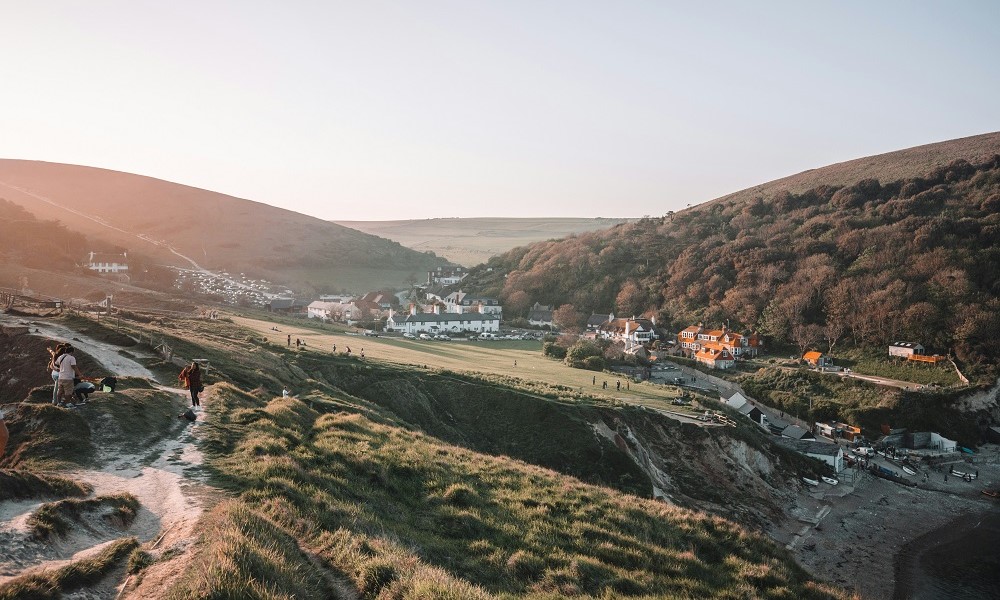
A dramatic 155-kilometre stretch of coastline that was the first natural landmark in Britain to earn UNESCO World Heritage status — and for good reason. The rocks here span the entire Mesozoic era, from 252 to 66 million years ago, making it a geological textbook written in stone, sand, and sea.
The landscape is almost absurdly varied: sea caves, hidden bays, crumbling cliffs, natural arches, and wind-sculpted rock formations that look like ancient statues. Fossil hunters still comb the beaches for ammonites — prehistoric mollusks forever sealed in stone — and the area has been a magnet for geologists for over 300 years. Durdle Door, a natural limestone arch rising from the sea, is the postcard shot, but the real magic is in the walking: the South West Coast Path threads the entire length, delivering cliff-top views that rearrange your sense of time.
Best time: April–October (winter for dramatic storm-watching) Nearest airport: BRS Bristol, BOH Bournemouth Get there without a car: Train to Weymouth or Lyme Regis, then local buses Perfect for: Fossil hunters, hikers, photographers, geology nerds Know before you go: Cliff falls are real — stay on marked paths and away from cliff edges
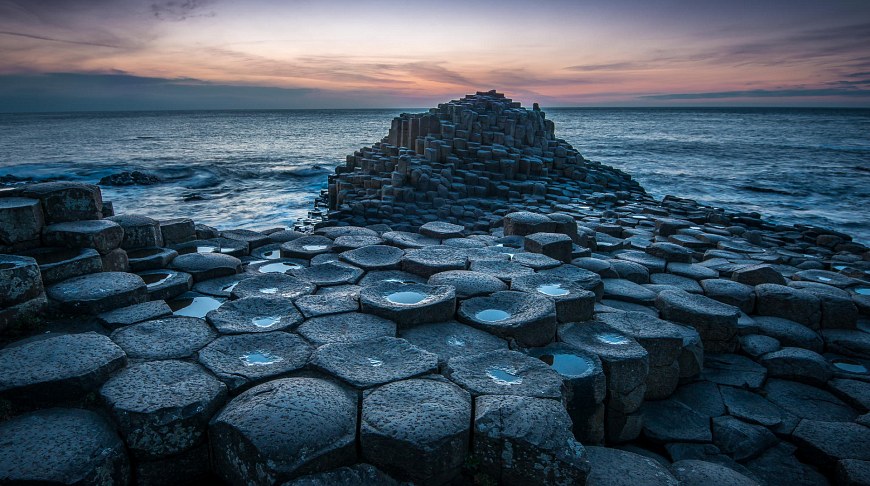
4. The Giant’s Causeway, Northern Ireland — Volcanic Geometry at the Edge of the World
About 40,000 basalt columns march into the North Atlantic like a road built by giants — which, according to legend, is exactly what happened. Science offers a slightly less romantic explanation: an ancient volcanic eruption 50–60 million years ago left behind a pavement of hexagonal pillars, many so perfectly geometric they look manufactured.
This is Northern Ireland’s only UNESCO World Heritage Site, managed by the National Trust, and it lands with the kind of impact that makes even seasoned travelers stand still. The columns range from ankle-height to nearly 12 metres tall, and walking among them at low tide feels like trespassing in a cathedral built by something older than humans. Drive 10 minutes up the coast to Bushmills — the world’s oldest licensed whiskey distillery — and you’ve built the perfect day.
Best time: April–September (arrive early or late to avoid cruise-ship crowds) Nearest airport: BFS Belfast International Get there without a car: Train to Belfast, then Causeway Coast tour bus Perfect for: Geology lovers, photographers, walkers Know before you go: The National Trust visitor centre charges admission, but you can walk to the stones for free via the foreshore path
5. The White Cliffs of Dover & Seven Sisters — Chalk Sentinels of the Channel
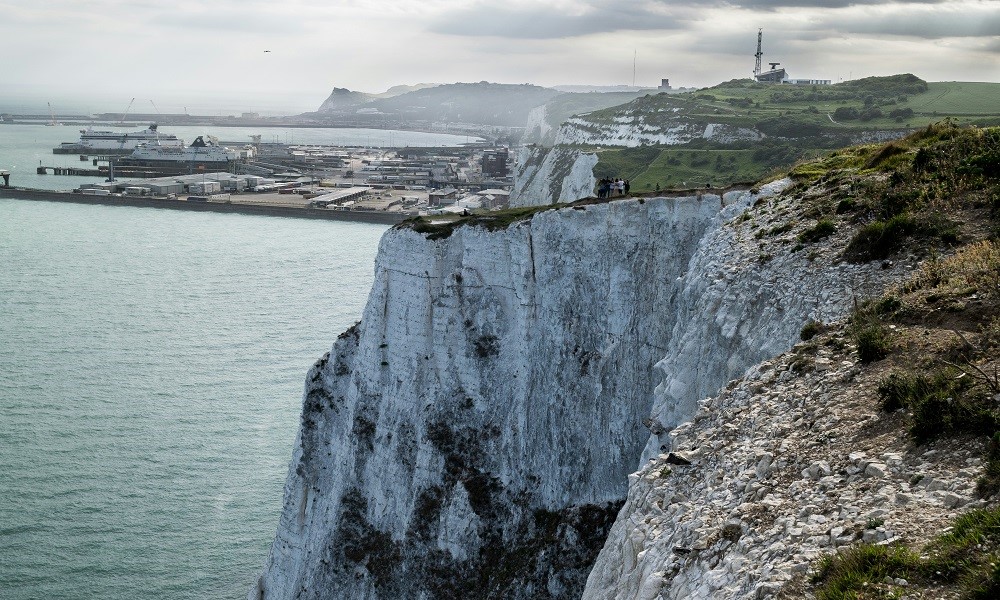
White limestone cliffs rising up to 107 metres above the English Channel — on clear days, you can see them from the French coast 34 kilometres away. Sailors have navigated by these cliffs for centuries, and Dover Castle, perched on top, has been called the “key to England” since the Hundred Years’ War.
Further west along the coast, the Seven Sisters offer an even more pristine version of the same geology. Despite the name, there are eight peaks, and they’ve changed less under human influence than their Dover cousins — which is why they keep showing up in films from Robin Hood: Prince of Thieves to Harry Potter and the Goblet of Fire. The cliffs are part of the 246-kilometre North Downs Way trail, a hiker’s dream tracing idyllic countryside from Surrey to Kent. Nearby Beachy Head is the tallest chalk cliff in Britain — dramatic, beautiful, and best viewed from a safe distance.
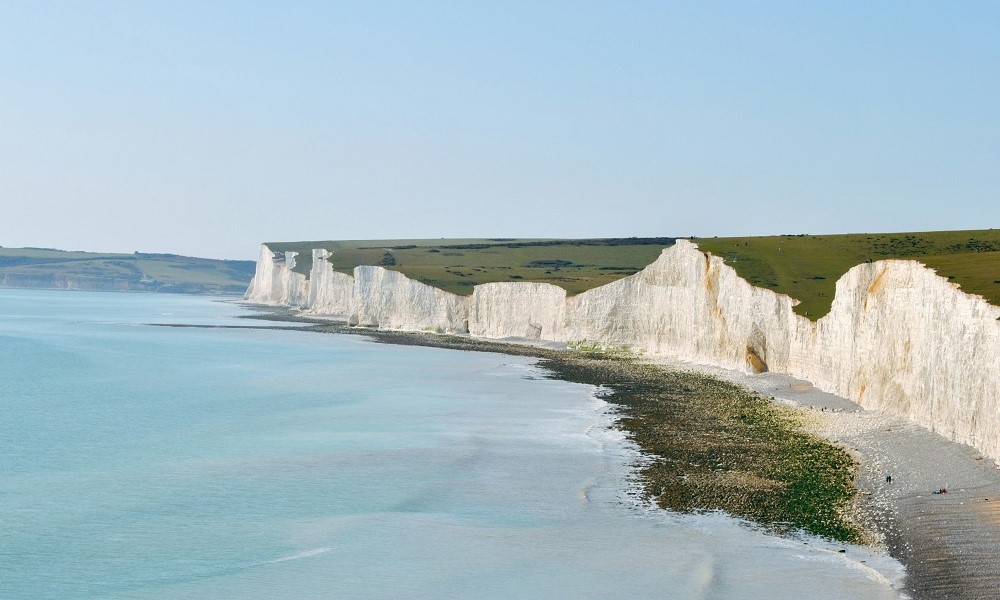
Best time: April–October (clear days for cross-Channel visibility) Nearest airport: LHR London Heathrow, LGW London Gatwick Get there without a car: Train to Dover Priory or Seaford, then walk or local bus Perfect for: Hikers, history buffs, photographers Know before you go: Cliff edges are unstable — stay on marked paths, especially in wet weather
6. Cheddar Gorge, Somerset — Britain’s Deepest Canyon, Where Cheese Was Born
Yes, the cheese comes from here. Cheddar Gorge sits near the village of Cheddar in Somerset, where cheddar cheese was first created in the 12th century. But the gorge itself is the real spectacle: at 121 metres deep and 3 kilometres long, it’s the largest canyon in Britain, with limestone cliffs towering over a road so narrow it feels like the walls are closing in.
The caves within the gorge are where Britain’s oldest complete human skeleton was found — the Cheddar Man, dating back roughly 9,000 years to the Neolithic period. Stalactites and stalagmites have formed over millennia inside Gough’s Cave, creating an underground spectacle that matches anything the surface can offer. Above ground, a herd of wild soay sheep roams the cliff-top grasslands, occasionally posing for photos with a studied indifference.
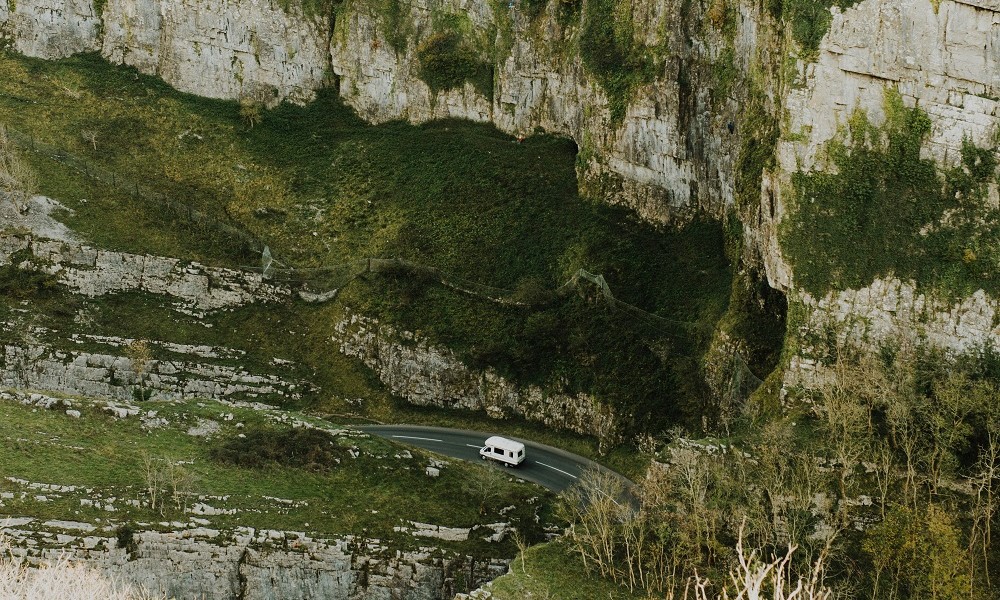
Best time: April–October (caves open year-round) Nearest airport: BRS Bristol Get there without a car: Bus from Bristol or Wells to Cheddar village Perfect for: Cave explorers, cheese lovers, rock climbers Know before you go: Gough’s Cave requires an entry ticket; Cox’s Cave is included in the same ticket
7. Wistman’s Wood, Dartmoor — A Forest Older Than the Pyramids
High on Dartmoor at 400 metres above sea level, Wistman’s Wood is the oldest forest in Britain. The oaks here began growing 7,000 years ago — long before the pyramids were built — and the oldest surviving trees are 400 to 500 years old. Many are classified as relict species, survivors of a climate that has long since changed.
The trees themselves are extraordinary: gnarled, stunted oaks bent into shapes that earned them the name “dancing trees,” their branches thickly coated in moss and lichen that locals call “old man’s beard.” Ferns carpet the floor between moss-covered boulders, and the whole place feels less like a forest and more like a cathedral where the congregation never left. Wistman’s Wood has inspired painters, poets, and photographers for centuries, and is woven through with folklore — including tales of the Wild Hunt, a ghostly procession said to thunder through the trees on stormy nights.
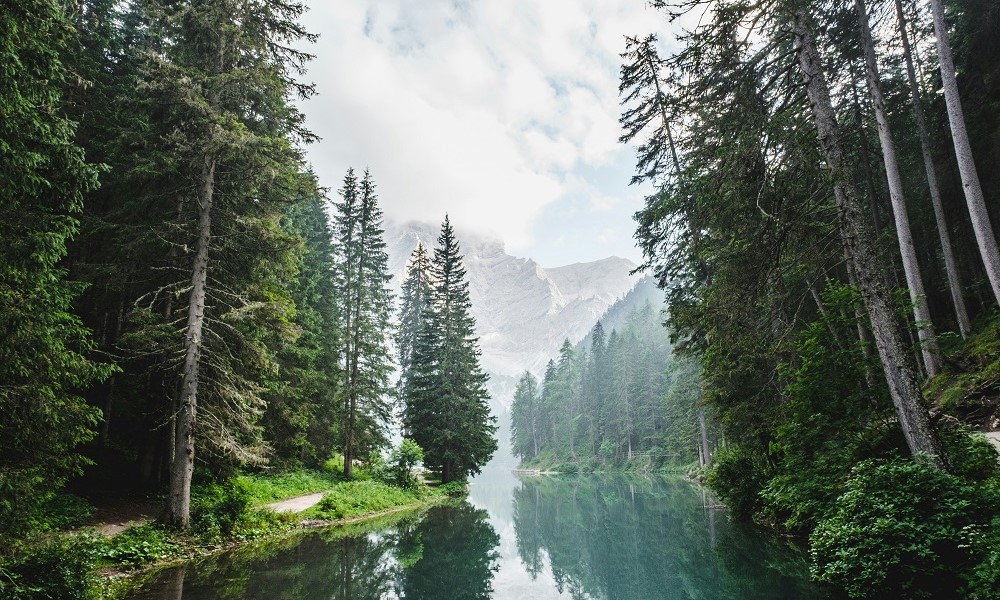
Best time: May–September (winter is bleak and access can be difficult) Nearest airport: EXT Exeter Get there without a car: Train to Exeter, bus to Two Bridges, then walk Perfect for: Photographers, nature lovers, folklore enthusiasts Know before you go: Don’t touch or damage the trees — this is a Site of Special Scientific Interest
8. The Cotswolds — Honey-Stone Villages That Refuse to Change
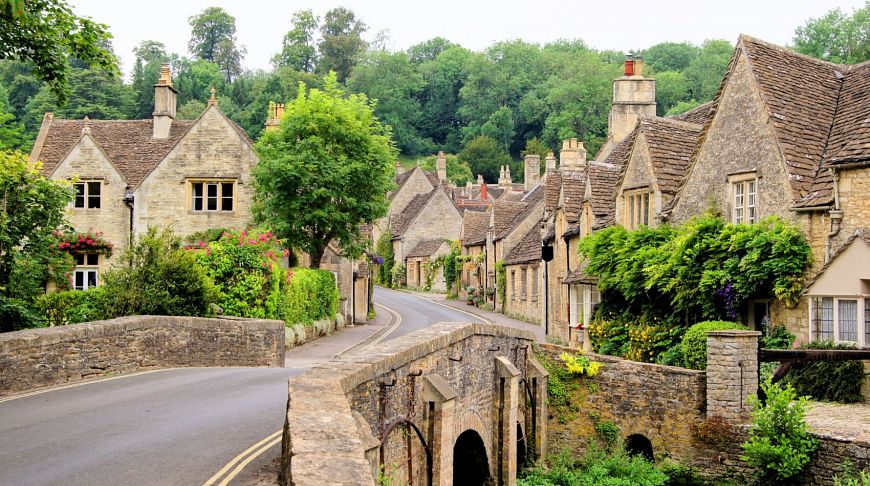
Honey-coloured limestone villages so picturesque they feel fabricated — except they’re not, and they’ve been this way for 500 years. Bourton-on-the-Water has been called the Venice of the Cotswolds (a bridge too far, perhaps, but the stream-side paths are lovely). Stow-on-the-Wold hosts antique markets in buildings that predate the United States. Nearby Sudeley Castle and Owlpen Manor are living history.
The walking trails connecting these villages trace routes used since Roman times. In summer, lavender fields explode in purple near the village of Snowshill. The Cotswolds is where Britain keeps the version of itself that it shows to nobody — patient, gentle, and stubbornly beautiful. It’s also home to some of England’s finest gastropubs, where the produce travels from farm to table so quickly the vegetables are still warm from the sun.
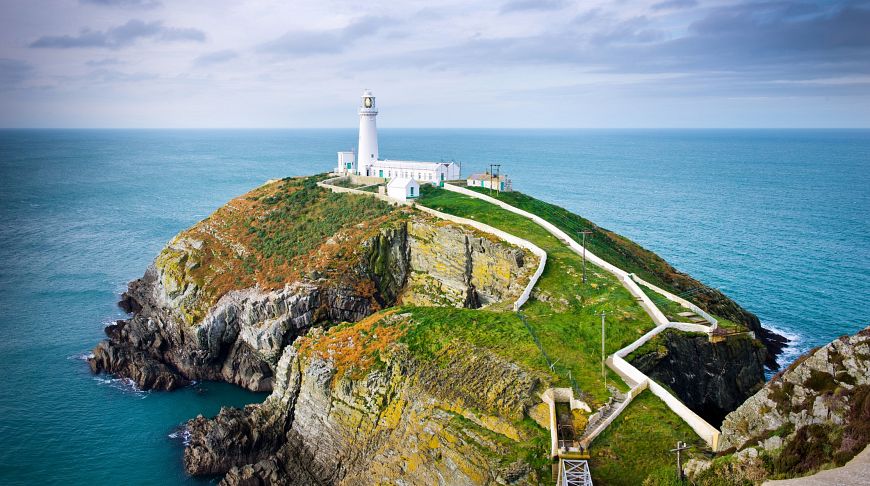
Best time: May–September (lavender blooms in June–July) Nearest airport: BRS Bristol, BHX Birmingham Get there without a car: Train to Moreton-in-Marsh or Kemble, then local buses Perfect for: Walkers, foodies, architecture lovers Know before you go: Parking in popular villages fills by 10am in summer — arrive early or use the Park & Ride
9. Portmeirion, Wales — An Italian Dream on a Welsh Cliff
On first glance, Portmeirion looks like a film set — too colorful, too theatrical, too Mediterranean to be real. And in a sense it is: this tourist village in Gwyned, North Wales, was designed by architect Sir Clough Williams-Ellis starting in 1925, built on the site of a foundry and boatyard in the style of an Italian Riviera town.
The buildings — houses, hotels, cafés, restaurants — are painted in bold yellows, terracottas, and blues, creating a fairy-tale atmosphere that feels like a Tuscan village that somehow drifted to the Welsh coast. Williams-Ellis spent 50 years building it, proving that one person with a vision and enough decades can literally reshape a coastline. The village is famous as the filming location for The Prisoner (1967), but even without the pop-culture credential, Portmeirion would be worth the journey simply for the audacity of existing.
Best time: April–October (winter for moody, quieter atmosphere) Nearest airport: LPL Liverpool, MAN Manchester Get there without a car: Train to Penrhyndeudraeth, then walk or taxi Perfect for: Architecture lovers, photographers, romantics Know before you go: ENTRY FEES APPLY — adult tickets around £13; book online for discounts
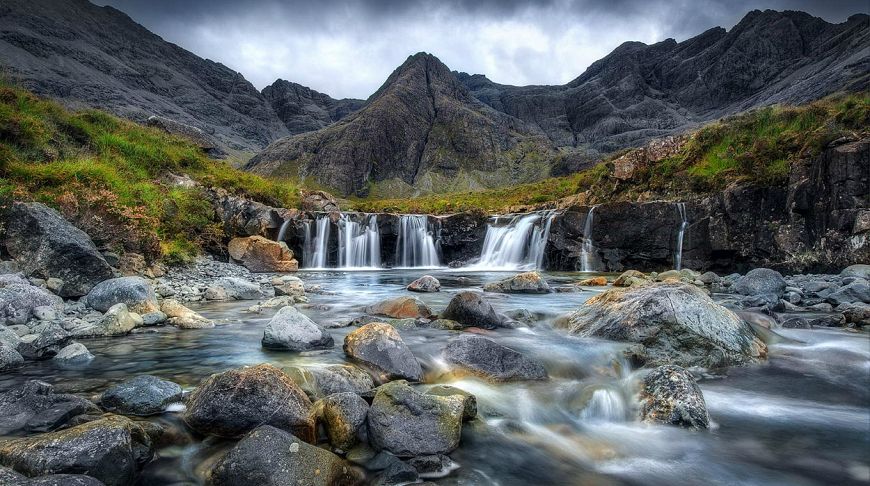
10. Fairy Pools, Isle of Skye — Crystal-Clear Waterfalls at the Edge of Scotland
The Isle of Skye sits off Scotland’s west coast, and Fairy Pools — a series of cascading waterfalls and pools fed by streams tumbling from the Cuillin Mountains — are its crown jewel. The water is cold enough to make you gasp and clear enough to see every stone on the bottom. Wild swimmers brave it year-round; everyone else is content to photograph from the bank.
The pools lie in the southeast of the island, near the forest of Glen Brittle, and the walk in is as dramatic as the destination: open moorland, jagged peaks, and a stream that keeps surprising you with each new bend. Skye itself has become a food destination — three Michelin-starred restaurants, including the famous Three Chimneys — proving that even at the edge of Scotland, you can eat extraordinarily well. The best strategy is to stay overnight and experience the island after the day-trippers have gone.
Best time: April–October (weekdays to avoid crowds) Nearest airport: GLA Glasgow, then drive or bus to Skye Get there without a car: Train to Kyle of Lochalsh, bus across the Skye Bridge Perfect for: Wild swimmers, hikers, photographers Know before you go: A short scrambly section requires stepping stones — don’t attempt in flood conditions
At a Glance
| Place | Region | What Makes It Special | Best For | Airport |
|---|---|---|---|---|
| Lake District | Cumbria | England’s largest national park, Scafell Pike | Hiking, boating, food | MAN/LPL |
| Bath | Somerset | Roman spa, UNESCO Georgian architecture | Architecture, wellness | BRS |
| Jurassic Coast | Dorset/Devon | 185 million years of geology, UNESCO | Fossils, coastal walks | BRS |
| Giant’s Causeway | Northern Ireland | 40,000 volcanic basalt columns | Geology, photography | BFS |
| White Cliffs / Seven Sisters | Kent/E. Sussex | Chalk cliffs, coastal hiking | Hiking, history | LHR/LGW |
| Cheddar Gorge | Somerset | Britain’s deepest canyon, Neolithic caves | Caves, climbing, cheese | BRS |
| Wistman’s Wood | Devon | 7,000-year-old ancient forest | Nature, photography | EXT |
| Cotswolds | Gloucestershire | Honey-stone villages, lavender fields | Walking, food, architecture | BRS/BHX |
| Portmeirion | North Wales | Italianate village on a Welsh cliff | Architecture, quirk | LPL/MAN |
| Fairy Pools | Isle of Skye | Crystal-clear mountain waterfalls | Wild swimming, hiking | GLA |
Getting There Without a Car
Britain’s rail network makes most of these destinations reachable without a vehicle:
- Lake District: Train to Oxenholme, then the Lakes Line to Windermere
- Bath: Direct 80-minute train from London Paddington
- Jurassic Coast: Train to Weymouth or Lyme Regis, then local buses
- Giant’s Causeway: Train to Belfast, then tour bus along the Causeway Coast
- White Cliffs: Train to Dover Priory or Seaford, then walk
- Cheddar Gorge: Bus from Bristol Temple Meads to Cheddar village
- Dartmoor: Train to Exeter, bus to Two Bridges, then walk
- Cotswolds: Train to Moreton-in-Marsh, then local buses
- Portmeirion: Train to Penrhyndeudraeth, then walk or short taxi
- Isle of Skye: Train to Kyle of Lochalsh, then bus across the Skye Bridge
Britain Beyond the Brochure
What sets Britain apart isn’t any single landmark — it’s the density of them. Volcanic geometry, Neolithic skeletons, 7,000-year-old forests, and cheese born inside a gorge all exist within a country you can cross in a day. The rain is real. So is the wind, the fog, and the stubborn sheep standing in the middle of the road. But so are the moments that make you stop walking: a sunset turning the Cotswold stone gold, a waterfall so clear you forget it’s freezing, a cliff that holds 185 million years of history in its layers.
From the Giant’s Causeway’s basalt columns to Skye’s crystal pools, from Dartmoor’s ancient oaks to Bath’s Roman springs, Britain’s landscapes don’t ask for your attention — they command it. The only question is which one you’ll visit first.