The Golden Nutrient: Why Vitamin A Deserves Your Attention
One of the first vitamins ever discovered, vitamin A remains a cornerstone of human health — yet it’s often overlooked in favor of trendier nutrients. This fat-soluble powerhouse participates in over 500 biochemical reactions in your body, orchestrating everything from your ability to see in dim light to the resilience of your skin and the vigilance of your immune system.
What makes vitamin A truly fascinating is its dual nature. It arrives in your diet as two distinct forms: preformed retinol from animal sources, ready for immediate use, and provitamin A carotenoids from colorful plants, which your body converts as needed. This elegant system ensures flexibility, but it also means balance is everything — too little leaves you vulnerable, while too much (particularly from supplements) can be harmful.
Let’s explore the twelve science-backed benefits that make vitamin A indispensable, along with practical wisdom on how to nourish your body with just the right amount.
1. Night Vision and Eye Health
The most celebrated role of vitamin A is its partnership with vision. Deep within your retina, vitamin A transforms into retinal — a light-sensitive pigment that captures photons and initiates the neural signals your brain interprets as sight. Without adequate vitamin A, the rods in your eyes (responsible for low-light vision) cannot regenerate this pigment efficiently.
The result? Night blindness, or “nyctalopia” — where adapting to darkness becomes sluggish or impossible. Historically, this condition was so commonly associated with deficiency that it earned the folk name “chicken blindness,” since chickens similarly lose vision at dusk.
Beyond night vision, vitamin A maintains the corneal surface and supports tear production, protecting against dry eye syndrome and more severe conditions like xerophthalmia, which can lead to irreversible corneal damage if left unaddressed.
2. Skin Renewal and Anti-Aging
Your skin is in constant dialogue with vitamin A. In the epidermis, this nutrient regulates keratinocyte differentiation — the process by which immature skin cells mature, migrate outward, and form the protective barrier you see and touch. When vitamin A is optimal, this turnover proceeds smoothly, revealing fresher, more resilient skin.
Dermatologists have long harnessed vitamin A derivatives (retinoids) to treat acne, reduce fine lines, fade hyperpigmentation, and stimulate collagen synthesis. The mechanism is profound: vitamin A binds to nuclear receptors in skin cells, literally rewriting genetic expression to favor youthful function.
But the benefits aren’t just cosmetic. Vitamin A also modulates sebaceous gland activity, helping balance oil production — a key factor in both acne prevention and maintaining skin suppleness as you age.

3. Immune System Fortification
Think of vitamin A as the architect of your body’s first line of defense. It maintains the integrity of mucosal barriers — the moist linings of your respiratory tract, digestive system, and urinary tract — creating a physical and biochemical shield against invading pathogens.
Simultaneously, vitamin A directs the development and function of crucial immune cells: T-helper cells, B-cells that produce antibodies, and the regulatory T-cells that prevent autoimmune overreactions. Research shows children with even mild vitamin A deficiency experience respiratory infections at significantly higher rates.
This dual action — reinforcing barriers while training defenders — explains why vitamin A supplementation has been a cornerstone of global child survival programs for decades.
4. Reproductive Health and Hormonal Balance
Vitamin A’s influence extends deeply into reproductive physiology. In women, it supports follicular development, ovarian function, and the hormonal symphony that governs the menstrual cycle. During pregnancy, it guides embryonic development — particularly the formation of the heart, lungs, kidneys, eyes, and nervous system.
For men, vitamin A is essential for spermatogenesis and maintaining healthy testosterone levels. The testes contain high concentrations of vitamin A receptors, underscoring its non-negotiable role in male fertility.
However, the reproductive chapter comes with a critical caveat: the teratogenic potential of excess preformed vitamin A (retinol) during early pregnancy. This is why prenatal guidance emphasizes food sources and provitamin A carotenoids, which your body self-regulates.
5. Bone Strength and Skeletal Integrity
While calcium and vitamin D dominate bone health conversations, vitamin A quietly choreographs the cellular activity that builds and remodels your skeleton. It influences both osteoblasts (cells that build bone) and osteoclasts (cells that resorb bone), maintaining the delicate balance that preserves bone density throughout life.
Deficiency in childhood can impair longitudinal bone growth, while excess — particularly from synthetic retinoids — has been linked to increased fracture risk in adults. The sweet spot supports optimal bone turnover without tipping toward resorption.
Emerging research also suggests vitamin A’s antioxidant properties protect bone cells from oxidative stress, a contributor to age-related bone loss.
6. Antioxidant Protection and Cellular Defense
As a fat-soluble antioxidant, vitamin A (particularly in its carotenoid forms) neutralizes free radicals in lipid-rich environments — cell membranes, lipoprotein particles, and the brain. Beta-carotene, alpha-carotene, and beta-cryptoxanthin each contribute unique antioxidant signatures, quenching singlet oxygen and breaking lipid peroxidation chain reactions.
This protection extends to DNA integrity, protein function, and mitochondrial efficiency. In a world of environmental stressors — pollution, UV radiation, processed foods — this antioxidant capacity is more valuable than ever.
Notably, the antioxidant benefits come predominantly from dietary carotenoids, not preformed retinol, reinforcing the wisdom of a colorful plate.
7. Thyroid Function and Autoimmune Regulation
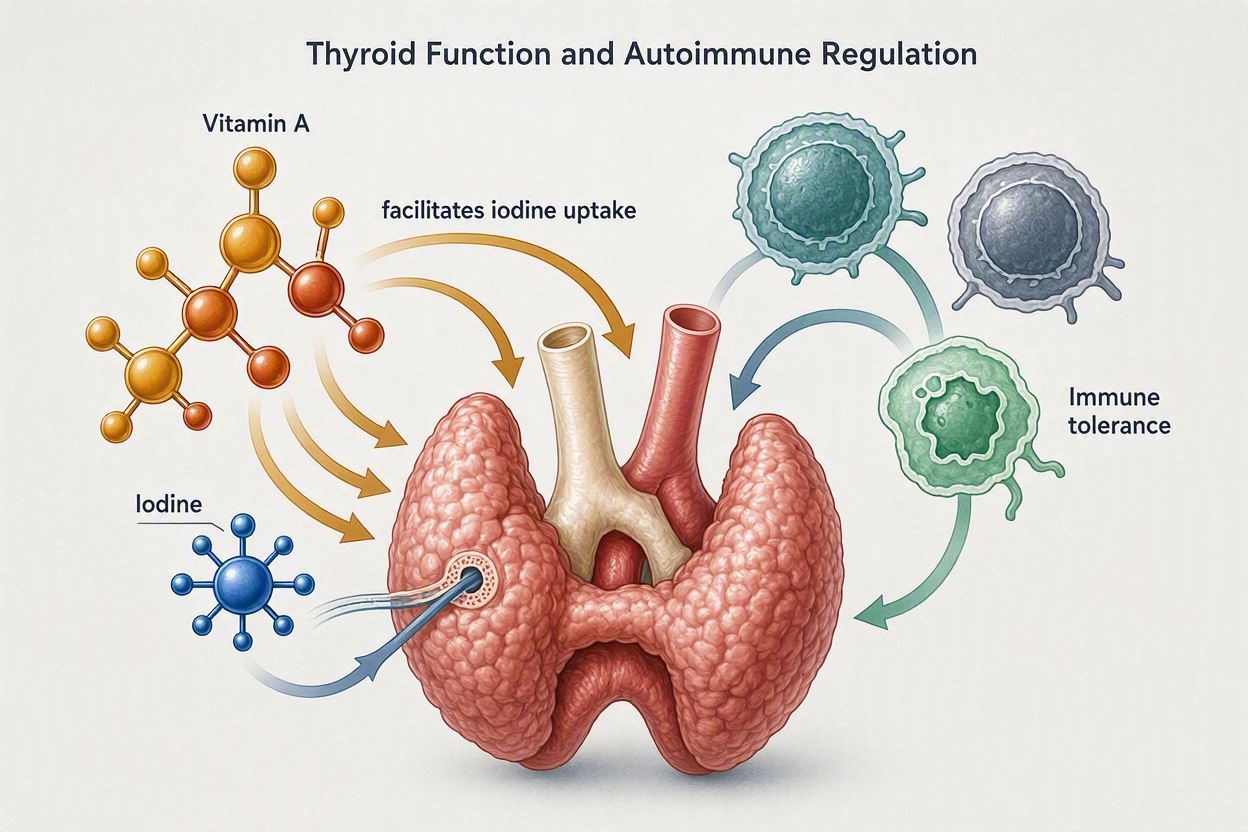
An intriguing and often overlooked connection exists between vitamin A and thyroid health. Vitamin A facilitates iodine uptake and thyroid hormone synthesis, while also modulating the immune tolerance that prevents autoimmune thyroid conditions.
Epidemiological data links low vitamin A status with increased prevalence of both Hashimoto’s thyroiditis and Graves’ disease. The mechanism likely involves vitamin A’s role in regulatory T-cell function — the immune “peacekeepers” that distinguish self from non-self.
For those with thyroid concerns, ensuring adequate vitamin A (alongside selenium, zinc, and iodine) represents a foundational nutritional strategy.

8. Growth and Development in Children
Vitamin A is quite literally a growth factor for children. Beyond its famous role in preventing childhood blindness, it drives linear bone growth, supports protein synthesis, and enables the rapid cell division that characterizes developmental milestones.
The World Health Organization estimates that 190 million preschool-aged children worldwide have subclinical vitamin A deficiency — a silent epidemic that increases mortality from measles, diarrhea, and respiratory infections by 20-24%.
In regions where deficiency is prevalent, periodic high-dose supplementation has reduced all-cause child mortality by up to 23%, making it one of the most cost-effective public health interventions in existence.
9. Gut Health and Nutrient Absorption
The relationship between vitamin A and digestive health is bidirectional. On one hand, vitamin A maintains the intestinal epithelium — the single-cell-thick barrier that selectively absorbs nutrients while excluding toxins and microbes. On the other, healthy fat absorption is prerequisite for vitamin A uptake, since it’s fat-soluble.
Conditions that impair fat digestion — celiac disease, Crohn’s disease, chronic pancreatitis, cystic fibrosis, or post-bariatric surgery anatomy — frequently lead to secondary vitamin A deficiency, creating a vicious cycle of malabsorption and mucosal compromise.
Supporting gut health through diverse fiber, fermented foods, and adequate dietary fat creates the foundation for optimal vitamin A status.
10. Cognitive Function and Neurological Protection
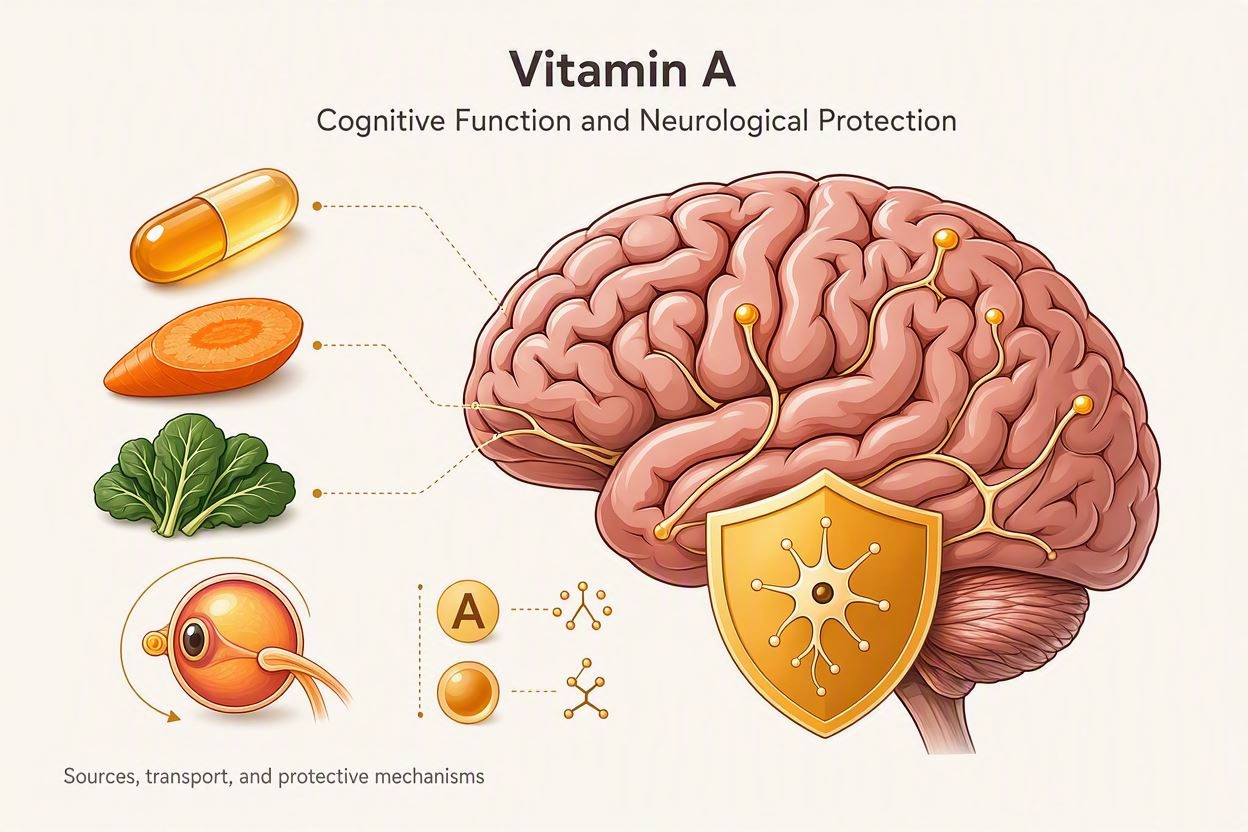
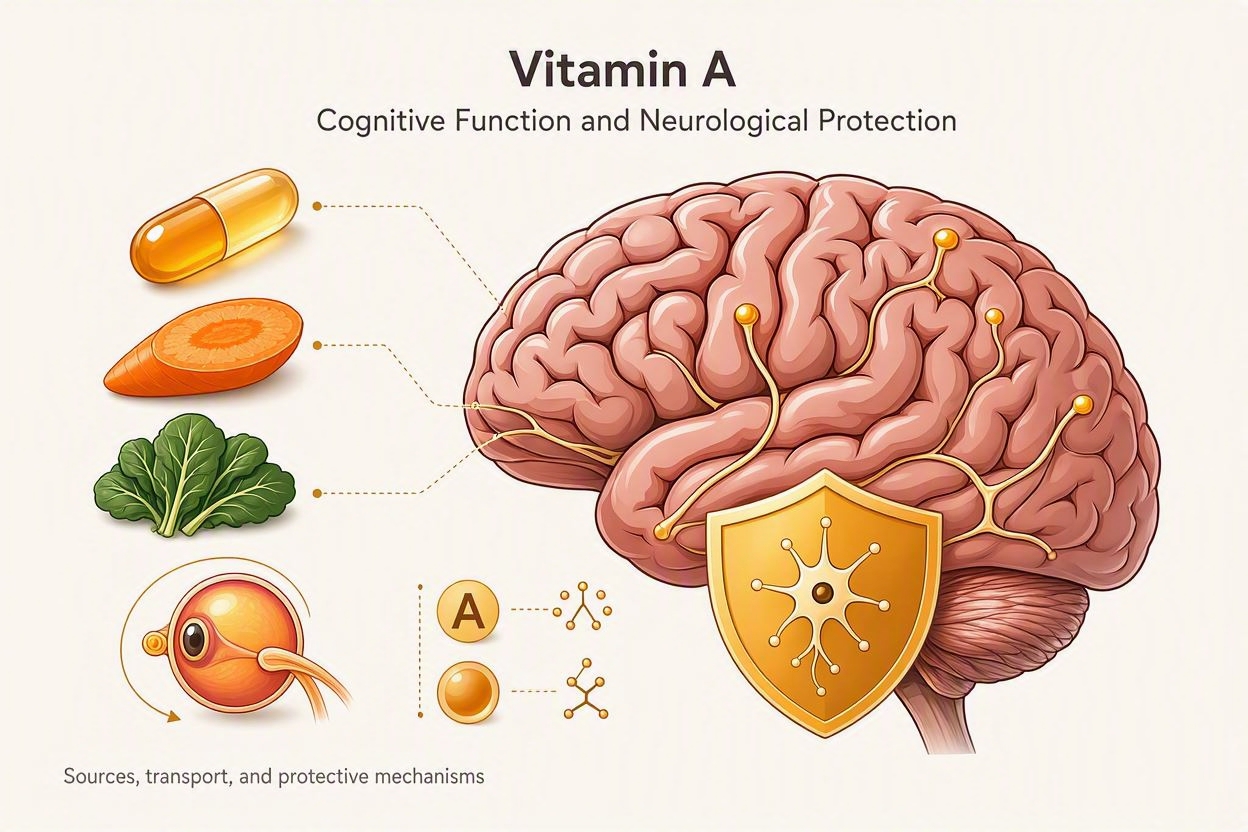
The brain, with its high lipid content and intense metabolic rate, is particularly vulnerable to oxidative damage — and particularly dependent on vitamin A’s protective presence. Retinoic acid signaling guides neurodevelopment in utero and continues to regulate neuroplasticity, learning, and memory throughout life.
Animal studies demonstrate that vitamin A deficiency impairs spatial learning and hippocampal long-term potentiation, while restoration reverses these deficits. Human epidemiological data associates higher carotenoid intake with better cognitive aging and reduced neurodegenerative risk.
While more human trials are needed, the mechanistic evidence positions vitamin A as a nutrient worth prioritizing for lifelong brain health.
11. Wound Healing and Tissue Repair
When injury occurs, vitamin A accelerates the repair cascade. It enhances fibroblast migration, collagen deposition, and angiogenesis (new blood vessel formation) at wound sites. It also modulates the inflammatory response, preventing excessive inflammation that delays healing.
This property has clinical applications: topical vitamin A formulations improve healing in surgical wounds, burns, and radiation-damaged tissue. Even oral supplementation can benefit those with compromised healing due to age, diabetes, or corticosteroid use.
The same mechanisms that renew your skin daily become amplified when repair is urgently needed.
12. Protection Against Oxidative Stress and Chronic Disease
The cumulative effect of vitamin A’s antioxidant, anti-inflammatory, and gene-regulatory actions creates a protective shield against the drivers of chronic disease. Higher dietary carotenoid intake correlates with reduced risk of cardiovascular disease, certain cancers, metabolic syndrome, and age-related macular degeneration.
Importantly, these associations are strongest for food-based carotenoids — not isolated high-dose supplements. The food matrix delivers a symphony of co-factors (fiber, polyphenols, other vitamins, healthy fats) that enhance absorption and biological activity.
This is the core nutritional truth: vitamin A works best as part of a whole-food dietary pattern, not in isolation.
Finding Your Vitamin A Sweet Spot
The art of vitamin A nutrition lies in balance. The recommended daily allowance for adults is 700–900 mcg RAE (retinol activity equivalents), with an upper tolerable limit of 3,000 mcg for preformed retinol. Provitamin A carotenoids have no established upper limit, as your body regulates conversion.
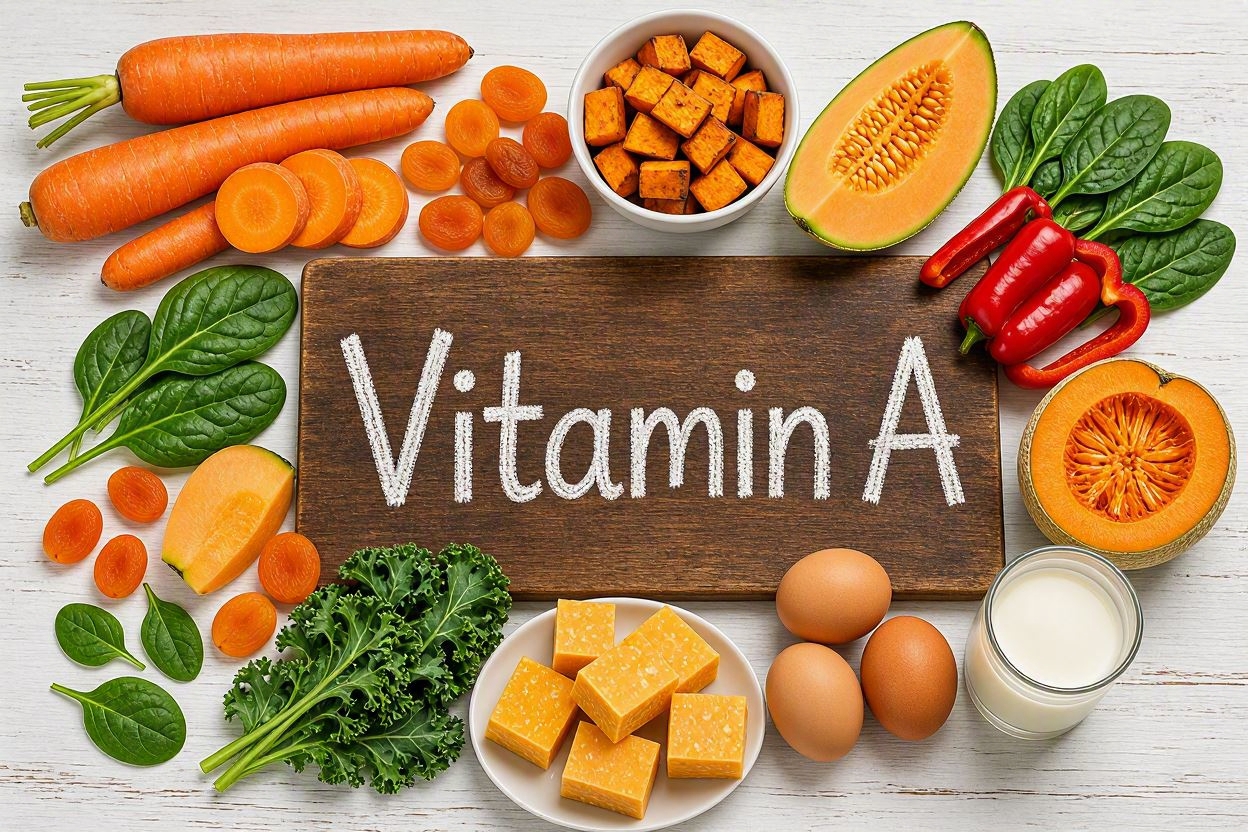
Prioritize these food sources:
Animal sources (preformed retinol, 70–90% absorption):
- Liver (the most concentrated source — modest portions weekly)
- Egg yolks
- Full-fat dairy from grass-fed animals
- Fatty fish and cod liver oil
Plant sources (provitamin A carotenoids, 10–30% conversion):
- Sweet potatoes, carrots, butternut squash
- Dark leafy greens (spinach, kale, collards)
- Red bell peppers, pumpkin
- Mangoes, apricots, cantaloupe
Enhance absorption by pairing carotenoid-rich foods with healthy fats — olive oil, avocado, nuts, or a pat of butter. Cooking vegetables lightly can also increase carotenoid bioavailability by breaking down plant cell walls.
When to Consider Supplementation
Supplements have a place, but context matters:
- Deficiency confirmed by blood test (serum retinol < 30 mcg/dL)
- Malabsorption conditions under medical supervision
- Increased needs during pregnancy (with physician guidance on form and dose)
- Restricted diets lacking animal products and diverse colorful vegetables
Choose supplements wisely: mixed carotenoid complexes or moderate-dose retinyl esters (like retinyl palmitate) are generally safer than high-dose retinol. Always pair with vitamin E and vitamin K2, which mitigate potential toxicity and support complementary pathways.
The Bottom Line
Vitamin A isn’t a single miracle nutrient — it’s a family of compounds that collectively orchestrate vision, immunity, reproduction, growth, skin health, bone integrity, and cellular protection. The twelve benefits outlined here aren’t separate gifts; they’re interconnected expressions of one fundamental biological principle: your cells need vitamin A to differentiate, communicate, and defend themselves.
The path to optimal vitamin A status isn’t through megadoses or single “superfoods.” It’s through a varied, colorful, fat-inclusive diet that honors your body’s sophisticated regulatory systems. When you eat the rainbow with a side of healthy fat, you’re not just preventing deficiency — you’re investing in the resilience that sustains vibrant health across every season of life.
Disclaimer: This article is for informational purposes only and does not constitute medical advice. Consult a qualified healthcare professional before making significant dietary changes or starting supplementation, especially if you are pregnant, have a medical condition, or take medications.