Remote work was supposed to be temporary. It isn’t. And yet millions of people are still working from kitchen tables, hunched over laptops on sofas, or squeezed into corners that were never meant for eight-hour days. The good news: a functional home office doesn’t require a renovation loan. It requires choices — and most of them cost less than you think.
Here’s how to build a workspace that respects your body, your time, and your bank account.
Why Your Setup Matters More Than You Think
 A bad workspace doesn’t just hurt your back. It scrambles your attention, blurs the line between work and everything else, and slowly trains you to associate “home” with “stress.” The people who thrive remotely aren’t the ones with the most expensive gear — they’re the ones who designed their space intentionally.
Your brain reads physical environments as cues. A dedicated workspace tells it: this is where we focus. A cluttered dining table says: this is where we eat, and also panic about deadlines. The difference isn’t aesthetic. It’s neurological.
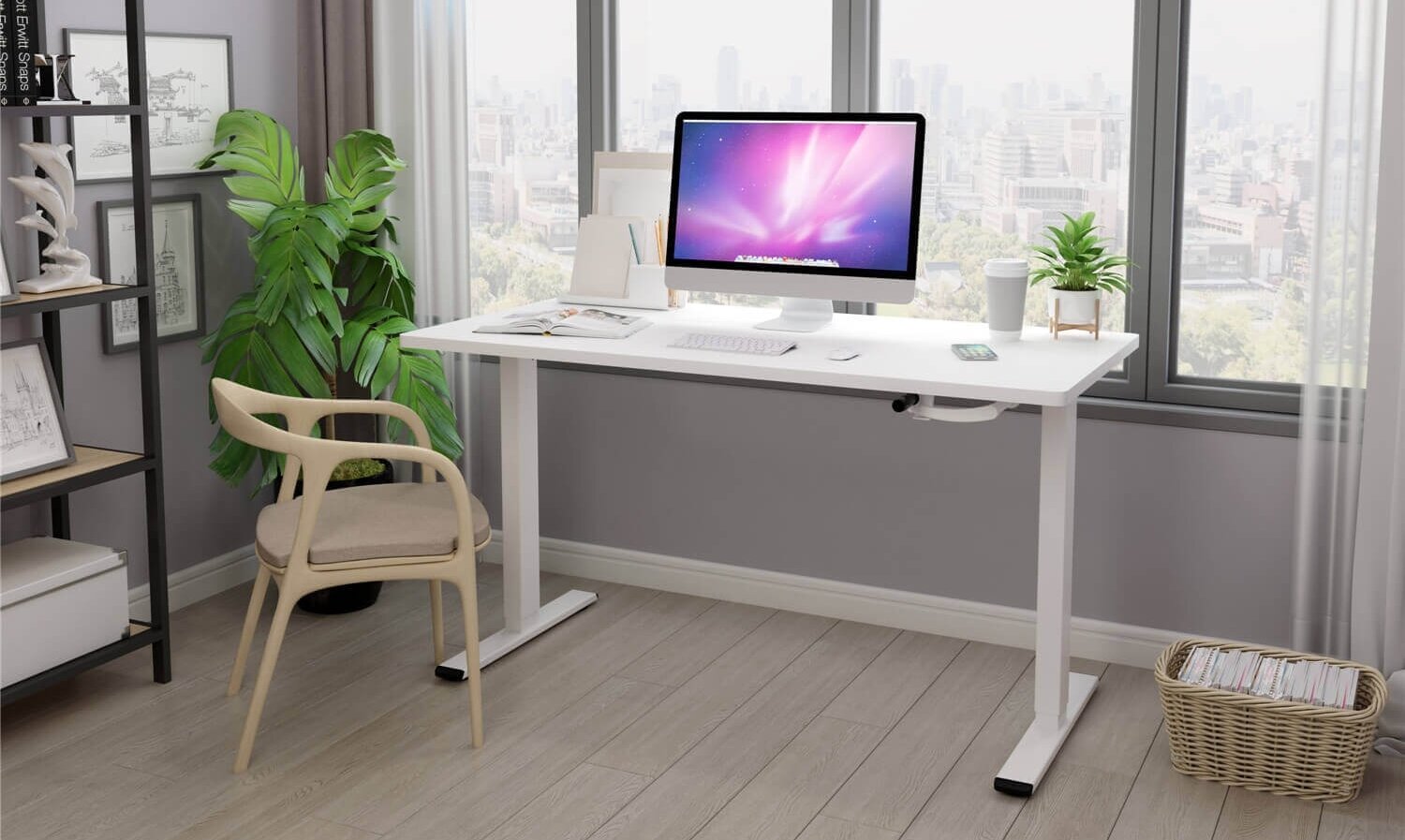
Plan First, Buy Second
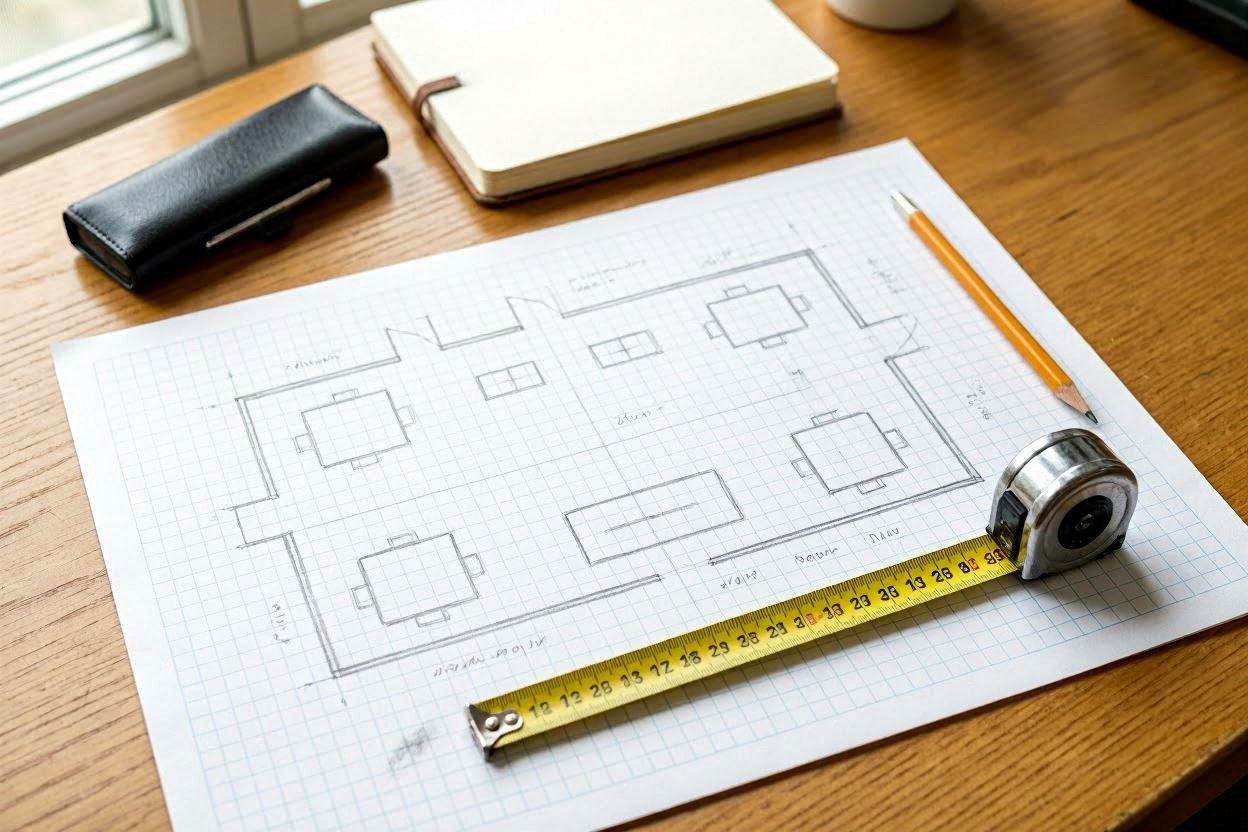
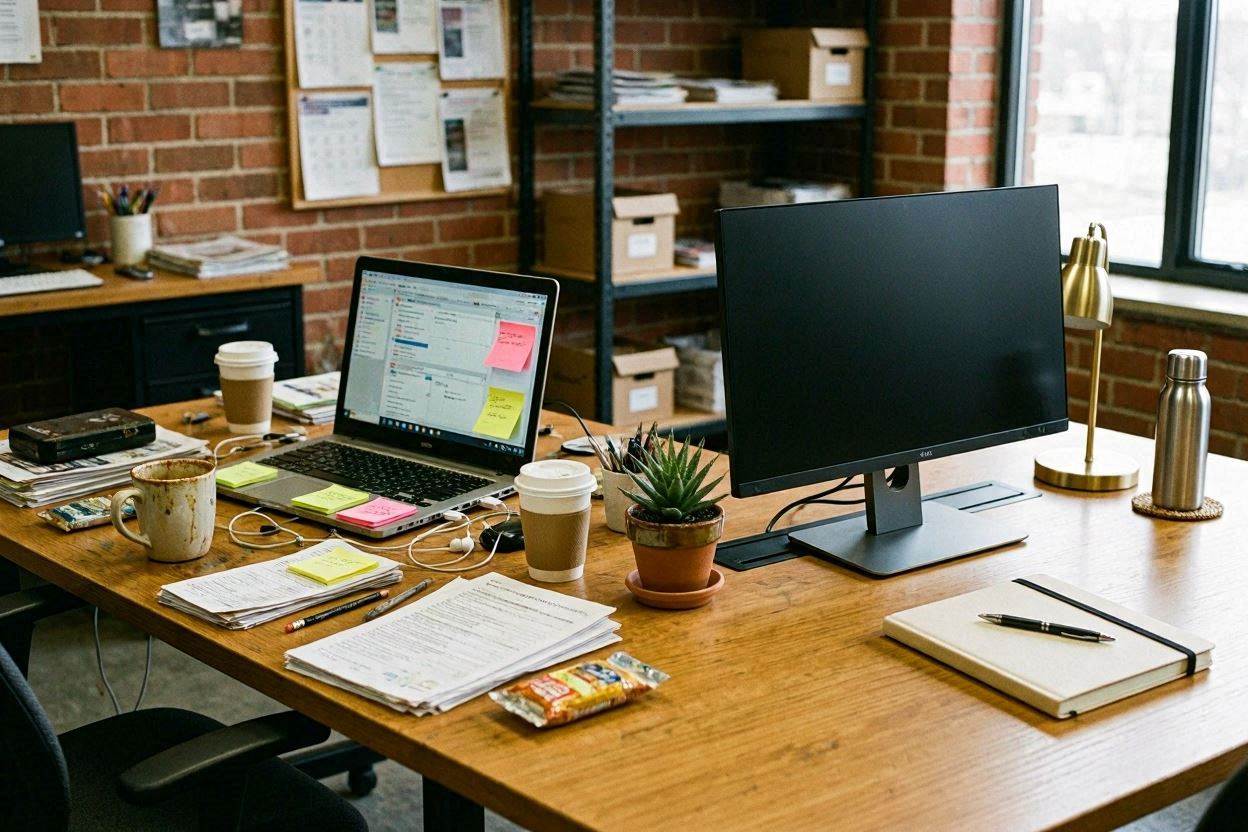 Before you touch a shopping cart, grab a tape measure and a notebook. The biggest waste of money is buying furniture that doesn’t fit — your room or your workflow.
Three questions to answer before you spend anything:
- How much floor space can you realistically dedicate? Be honest — a cramped corner you actually use beats a grand room you avoid.
- Where does natural light fall? A desk perpendicular to a window gives you illumination without screen glare. Face a wall with a window to the side.
- What’s your vertical potential? Every wall is unused storage. Shelves, pegboards, and hanging organizers cost fractions of what floor-standing units do.
Furniture That Earns Its Place
You need exactly three things: a surface, a seat, and something to put things on. Everything else is optional.
The Desk. A folding table from a hardware store works. A door laid across two filing cabinets works. What matters is depth — at least 60 cm so your screen isn’t in your lap — and stability. If it wobbles, you’ll hate it within a week.
The Chair. This is the one item where cheap really does cost more. A $30 kitchen chair will punish your spine after hour three. You don’t need a prestige brand, but you do need: adjustable seat height, lumbar support (even a rolled towel counts), and armrests that don’t force your shoulders up.
Storage. Skip the matching desk sets. Wall shelves from a discount store + repurposed crates + a few magnetic strips for metal items = a storage system that costs less than one designer drawer unit.
Real-world tip: Check secondhand listings before buying anything new. Office liquidations happen constantly — people sell ergonomic chairs for a third of retail because their company closed, not because the chair broke.
Tech and Equipment — Buy What You Need, Not What You Want
The tech industry profits from your fantasy of being a multi-monitor power user. In reality, most remote work involves a browser, a video call app, and a document editor. Here’s the lean essential list:
- Laptop or desktop with the specs your work actually demands — not the ones a YouTuber told you to get
- External keyboard and mouse — laptop keyboards are ergonomically hostile over long sessions; a $25 external set fixes your wrist angle immediately
- Desk lamp with adjustable brightness — overhead lighting creates shadows on your screen; a directional task lamp solves this for $15
- A monitor or large tablet as a second screen — only if your work genuinely benefits from parallel viewing; if you mostly work in one app at a time, skip it
The saving strategy nobody uses: Buy last year’s model. A 2023 laptop does 95% of what a 2025 one does, for 60% of the price. Refurbished with warranty is even better.
The Details That Separate “Functional” From “Pleasant”
A workspace that works but feels like a waiting room will drain you slowly. Small investments in organization and atmosphere pay outsized returns.
Cable management — A $10 pack of velcro ties and clips transforms a rat’s nest of cords into something you don’t have to look at. Route cables along the desk edge, clip them, forget them.
A laptop stand — Raising your screen to eye level is the single biggest ergonomic improvement for under $25. Stack books in a pinch; buy a metal stand when you can.
A physical calendar or planner — The act of writing a task down engages different cognitive circuits than typing it. A $5 wall calendar within arm’s reach keeps priorities visible without opening another app.
Less is more — Every object on your desk that isn’t actively helping you work is silently competing for your attention. Remove it. Put it in a drawer. Your focus will improve within the hour.

Tiny Apartment? No Excuse.
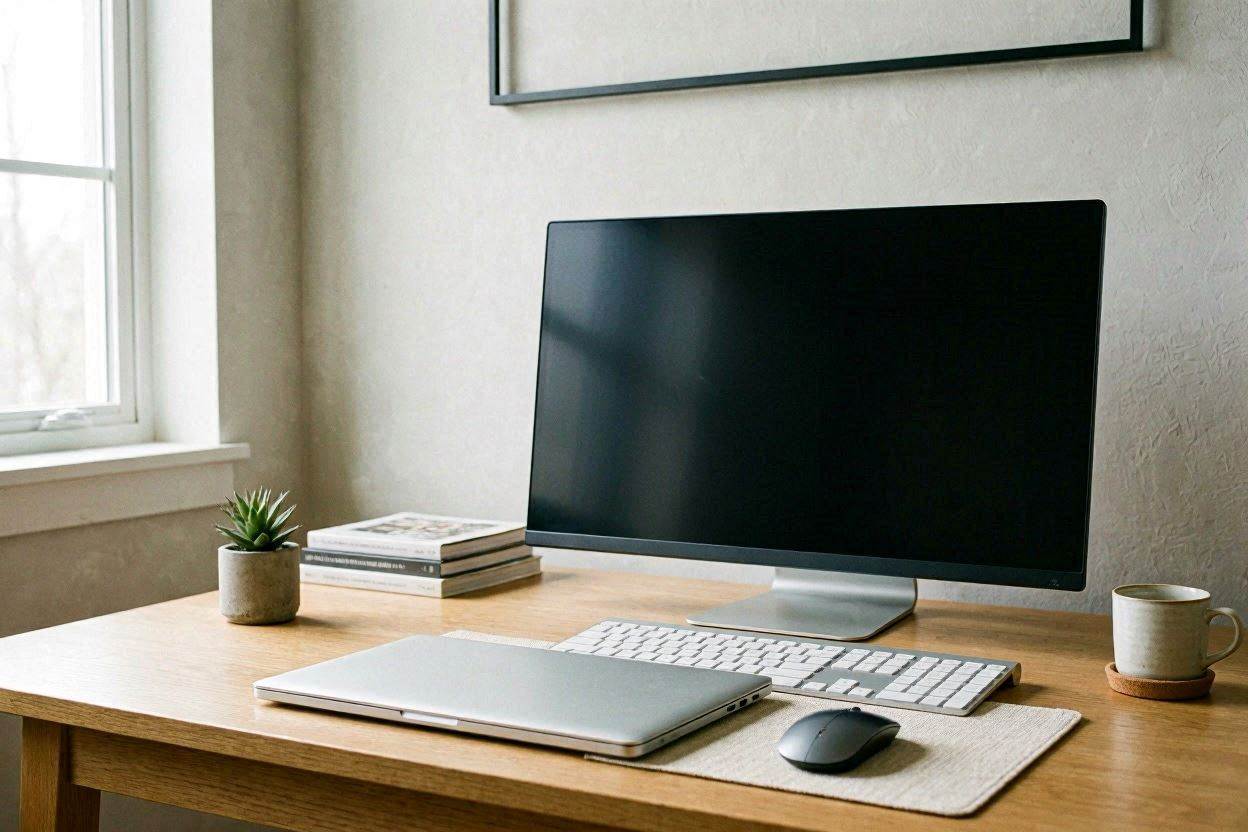 Small spaces demand creativity, not square meters. Some of the most effective home offices occupy less than two square meters.
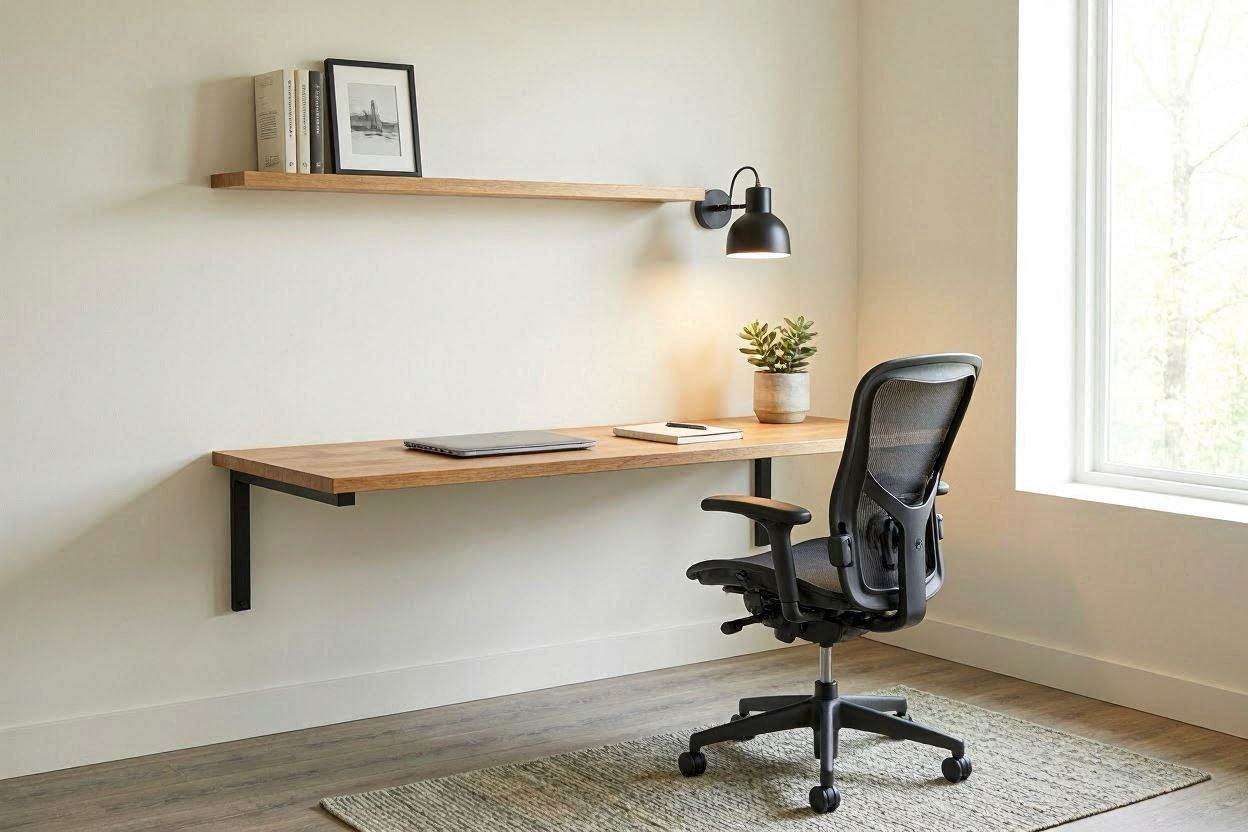
- Wall-mounted folding desk — Folds flat against the wall when not in use. Costs $40–80. Installation: four screws and a level.
- Windowsill workspace — If your sill is wide enough, add a cushion and a lap desk. Seasonal, free, and surprisingly pleasant.
- Transformer furniture — A coffee table that rises to desk height. A shelving unit that swings open to reveal a workspace. These exist, and they cost less than you’d expect.
- Light and mirrors — White walls + a well-placed mirror + a desk near a window create the illusion of twice the space. Dark corners make rooms feel smaller than they are.

Decor on a Dime — Atmosphere Without the Price Tag
You will spend hours in this space. It should not look like a supply closet.
- Paint one wall — A single accent wall in sage, slate, or warm terracotta costs $20 in paint and two hours of your weekend. The room transforms.
- Peel-and-stick wallpaper — Removable, renter-friendly, and available in patterns that look far more expensive than they are.
- Two or three plants — A snake plant ($12) and a pothos ($8) survive almost any neglect. They lower stress markers, clean the air, and make a sterile room feel lived-in.
- A rug and a cushion — Even if your “office” is a corner of the living room, a small rug underneath the desk and a cushion on the chair create a psychological boundary. This square is for work. The rest is for life.
The Real Cost of a Home Office
Here’s what a genuinely functional setup looks like, priced honestly:
| Item | Budget Option | Mid-Range |
|---|---|---|
| Desk | Folding table / door + brackets: $30–60 | Compact standing desk: $150–250 |
| Chair | Secondhand ergonomic: $50–100 | New mid-range ergonomic: $200–350 |
| Lighting | Clip-on task lamp: $15–25 | Adjustable desk lamp: $40–70 |
| Storage | Wall shelves + crates: $25–50 | Modular shelf system: $80–150 |
| Organization | Cable clips + stand + planner: $35–50 | Premium organizers: $60–100 |
| Decor | Paint + 2 plants + rug: $40–60 | Wallpaper + plant wall: $80–120 |
| Total | $195–345 | $610–1,040 |
The budget column gives you everything you need to work comfortably for full days. The mid-range column refines the experience. Neither requires financing.
The best home office isn’t the one that impresses visitors. It’s the one that disappears when you’re deep in your work — because everything is where it should be, your body is supported, and the only thing demanding your attention is the task in front of you.
Start with what you have. Upgrade what annoys you. Ignore the rest. The perfect workspace is the one that’s finished enough to let you begin.