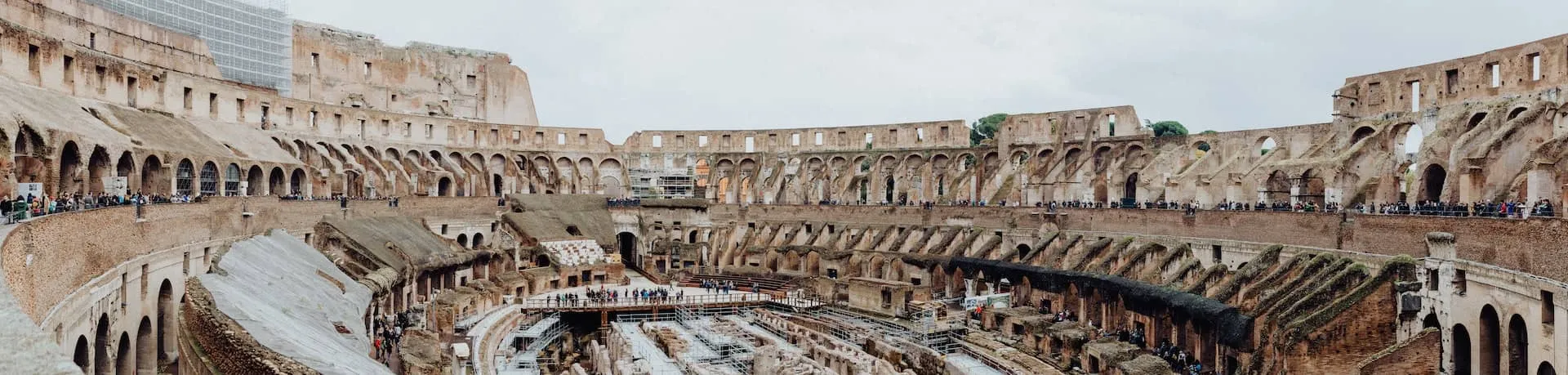
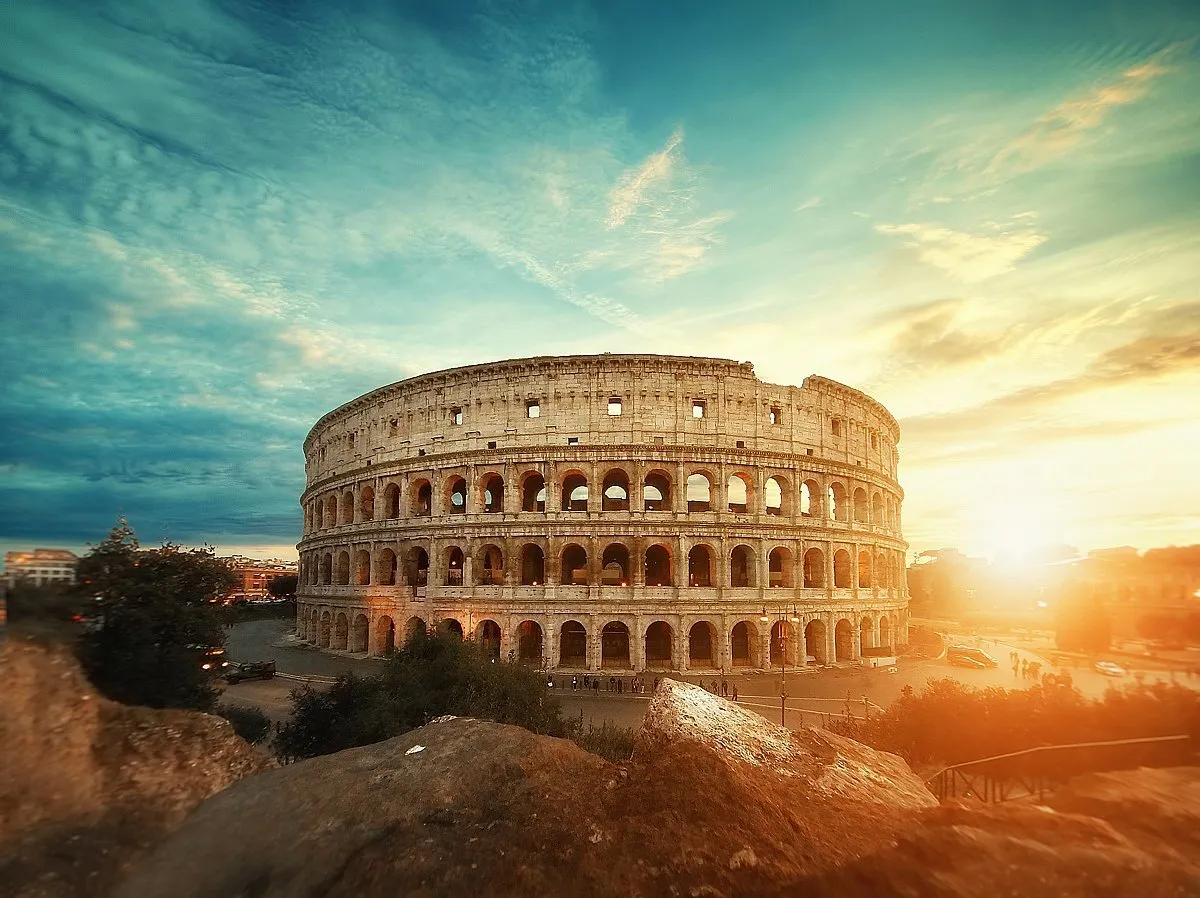
The Colosseum has stood for nearly two thousand years. Built under the Flavian dynasty and completed around 80 AD, it remains the largest amphitheatre ever constructed — a structure so audacious that it still dwarfs everything around it. At its height, it held between 50,000 and 80,000 spectators who came to watch gladiators fight, exotic animals hunt, and the Roman Empire display its power in the most visceral way imaginable.
Today, more than six million people visit each year. That popularity means one thing above all: if you arrive unprepared, you will spend your precious hours in Rome standing in a queue rather than standing inside history. This guide distills everything you need to know — from ticket types and timing to the underground experience and the combined sites most visitors never realise they already paid for.
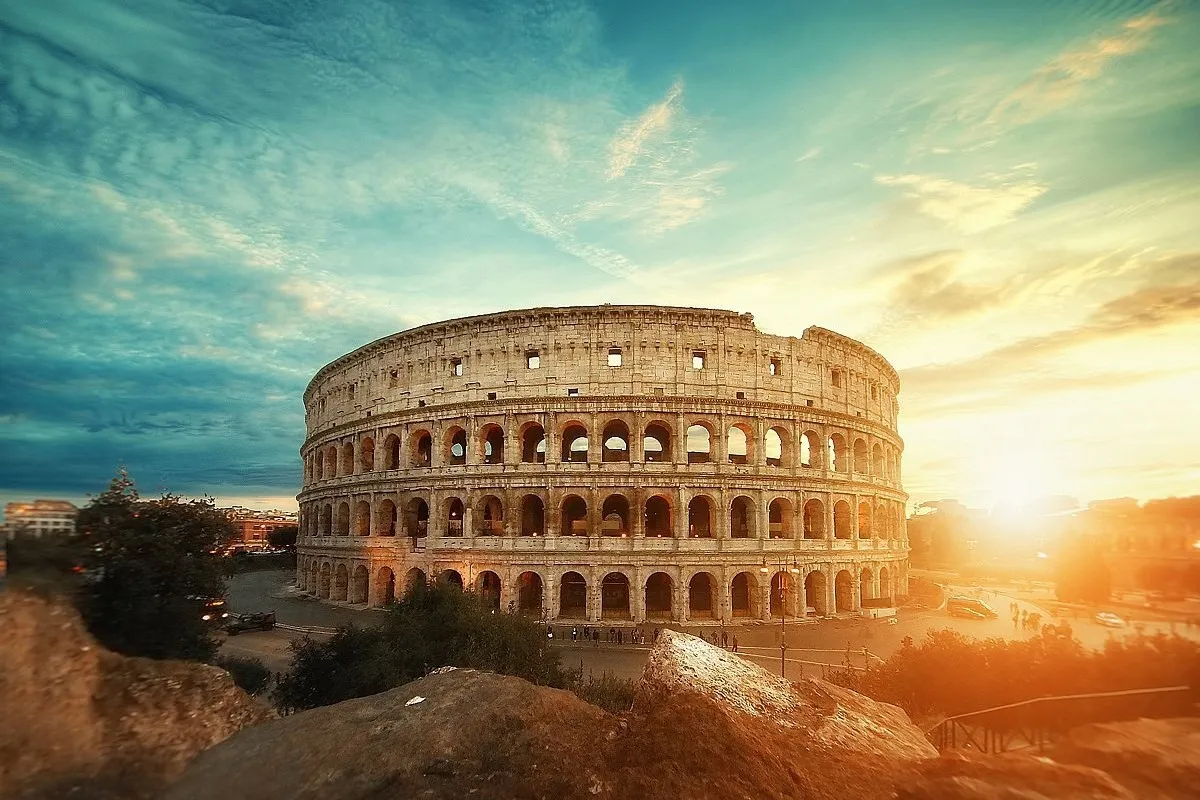
1. Book a Guided Tour — It Changes Everything
You can wander the Colosseum on your own, and many do. But walking through those arches without context is like reading a single page of a thousand-page novel. A guided tour transforms stone into story.
A knowledgeable local guide brings the arena to life — explaining the engineering behind the retractable floor, the social hierarchy of the seating, the lives (and deaths) of the gladiators, and the political theatre that made the spectacles possible. Premium tours include skip-the-line access, so you bypass the two-hour queue entirely and step straight into the amphitheatre.
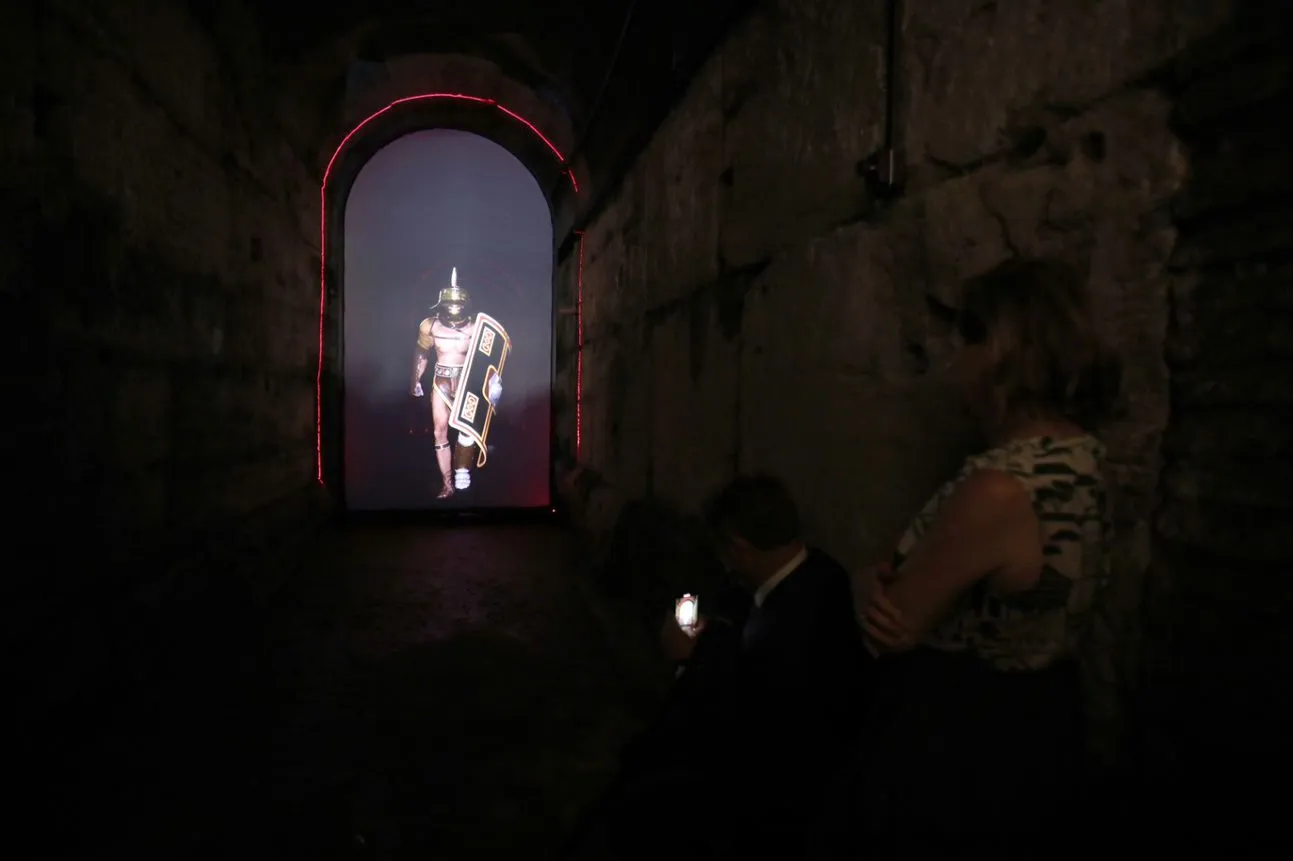
For those who want the deepest immersion, the newly reimagined underground tour offers something extraordinary: holographic projections recreate gladiators walking through the cryptoporticus tunnel from the Ludus Magnus training gym to the arena floor, accompanied by a curated collection of authentic gladiator armour and weapons on loan from the National Archaeological Museum in Naples and Aquileia.
2. Buy Tickets Online — Never at the Gate
If there is a single rule for visiting the Colosseum, it is this: never buy your ticket at the gate. The queue for the ticket office alone can exceed three hours in peak season, and by the time you reach the window, time slots may be sold out.
Purchase through the official ticketing portal in advance. You will have several options:
| Ticket Type | Price (approx.) | Includes |
|---|---|---|
| Standard + Forum + Palatine Hill | €18 (+€2 booking) | Two levels of Colosseum, Roman Forum, Palatine Hill (valid 2 days) |
| Underground / Arena Floor | €24–€28 | Third level, underground tunnels, gladiator holding areas |
| Full Experience with Arena | €22–€25 | Arena floor access, first two levels, Forum, Palatine Hill |
| Roma Pass | €52 (72-hour) | Colosseum + 1 other site + public transport |
| Free entry | First Sunday of each month | All state museums and sites, but expect massive crowds |
Under-18s enter free with any ticket type, but still need a reserved time slot.
3. The Combined Ticket Is Three Sites in One
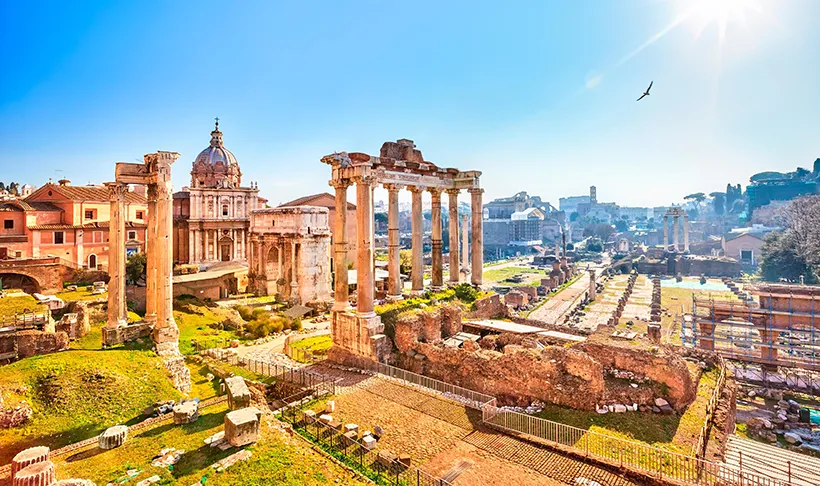
Your Colosseum ticket includes entry to two additional archaeological sites that many visitors overlook — the Roman Forum and the Palatine Hill. You get all three for the price of one, and the combined ticket is valid for 48 hours.
Roman Forum
A few minutes’ walk from the Colosseum, the Forum was the beating heart of ancient Rome — temples, government buildings, marketplaces, and courts. Today it is a haunting field of columns and foundations, where you can trace the outline of the Curia (senate house), the Temple of Saturn, and the Via Sacra — the sacred road along which triumphal processions once marched. Excavations in the 19th and 20th centuries brought these ruins back from centuries of neglect when the site was literally used as a cow pasture.
Palatine Hill
One of the seven famous hills of Rome, the Palatine is where the city was born — literally, according to mythology, since this is where the she-wolf found Romulus and Remus. The hill is scattered with the ruins of imperial palaces, elite homes, and monumental structures. Crucially, it receives far fewer tourists than the Colosseum, making it a peaceful counterpoint to the crowds below.
4. Timing: When to Go and When to Avoid
Best Time of Day
The Colosseum opens at 8:30 AM. Arriving at opening time — or within the first hour — gives you the calmest experience and the best photographic light. The golden morning sun on the travertine walls is unforgettable. Alternatively, visit about an hour before closing: crowds thin, the light softens, and the atmosphere becomes more contemplative.
Avoid midday, particularly between 11:00 AM and 3:00 PM, when tour groups, school parties, and cruise excursions peak. Security screening alone can take 45–90 minutes during these hours.
Best Season
| Season | Crowds | Weather | Notes |
|---|---|---|---|
| July–August (peak) | Extreme, 2–3 hour queues | Hot, humid, 35°C+ | Book tours 4–6 weeks ahead; bring water |
| September–October | High but manageable | Warm, pleasant | Best balance of weather and crowd |
| November–March (low) | Low, except holidays | Cool, some rain | Shortest queues; bring a jacket |
| April–June | Moderate to high | Ideal spring weather | Book 2–3 weeks ahead |
A weekday morning in October or April is the sweet spot: comfortable temperature, moderate crowds, and Athens-like light dancing across the ancient stones.
5. Explore the Underground — Where Gladiators Waited
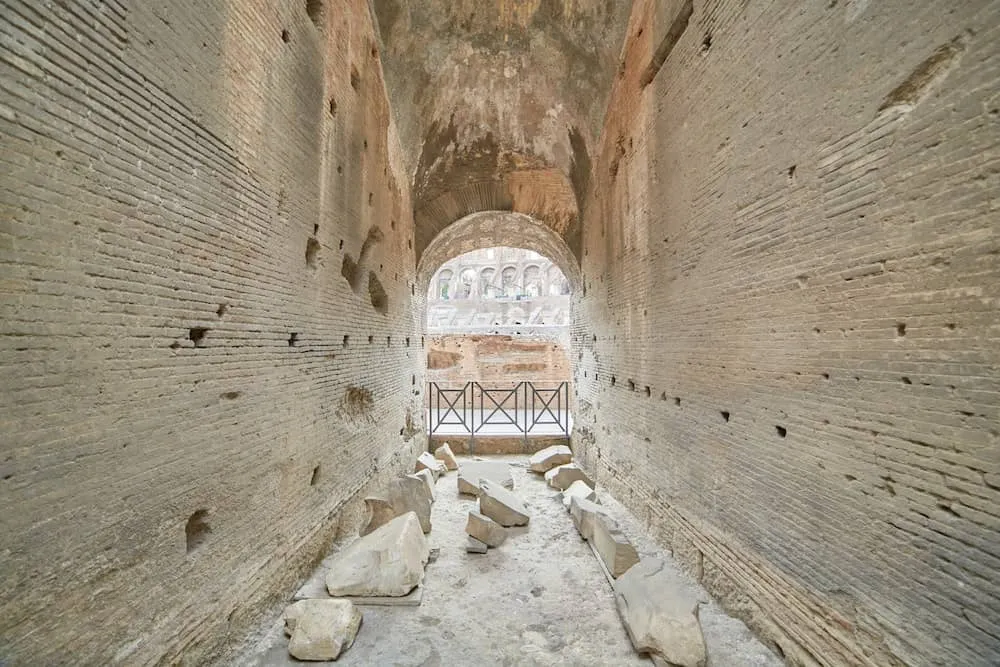
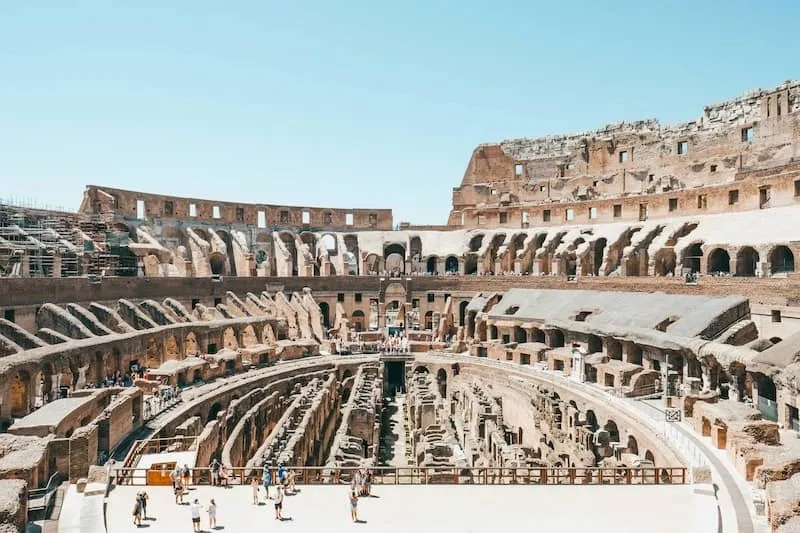
The most compelling part of the Colosseum is the part most visitors never see. Beneath the arena floor lies a labyrinth of stone passages — the hypogeum — where gladiators paced before combat, exotic animals were caged, and stage machinery was operated to create theatrical effects above.
Standard tickets do not include underground access. You need a specialised tour — sometimes called the Underground, Arena, and Upper Levels tour — which takes you down into the tunnels and onto the reconstructed arena floor, where you stand at the exact spot where combatants fought and died.
This is where the Colosseum’sstory becomes most vivid. You can see the narrow corridors, the trapdoors through which animals were raised to the surface, and the engineering that made Rome’s spectacles possible. The multimedia exhibition now installed in the underground passages adds holographic gladiators and curated armour displays that make the experience genuinely immersive.
6. Plan for at Least Half a Day
Most people underestimate how much there is to see. The Colosseum alone takes about an hour, but with the Forum and Palatine Hill combined, you need three to four hours minimum. Factor in security screening, walking between the three sites, and time to rest and absorb what you are seeing.
The combined ticket’s 48-hour validity is a gift: do not try to see all three sites in one rush. Visit the Colosseum on day one (at your reserved time), then walk through the Forum and Palatine Hill the next morning at your own pace, without time pressure. You will enjoy both far more.
7. Beware Pickpockets and Tourist Traps
The Colosseum is surrounded by opportunities — and dangers. Pickpockets work the queues and the crowded entry areas, often using distraction tactics. Guard your valuables closely: use a money belt or cross-body bag with a zipper, and never set anything down while taking photos.
The food stalls near the monument are overpriced and low quality. Street vendors sell bottled water at inflated prices. Instead, bring a refillable water bottle — Rome’snasoni (drinking fountains) provide free, cold, excellent water throughout the city — and pick up snacks from a nearby alimentari or bakery on Via San Giovanni in Laterano.
8. Free Entry Days — Worth It?
On the first Sunday of each month, state museums and archaeological sites in Italy — including the Colosseum — offer free entry. However, the trade-off is intense: these days draw enormous crowds, and wait times can exceed two hours even for the free line.
If you are on a tight budget, arrive at least 45 minutes before opening. Alternatively, check for discounted tickets (EU citizens aged 18–24 pay reduced rates year-round).
9. Twelve Facts That Make the Colosseum Even More Extraordinary
The more you know, the more astonishing the Colosseum becomes:
-
The name came from a statue. Originally called the Flavian Amphitheatre after the imperial dynasty that built it, the name “Colosseum” emerged in the Middle Ages from the Colossus of Nero — a massive bronze statue that once stood beside it.
-
It is the largest amphitheatre ever built. Nearly 50 metres tall, 527 metres in circumference, and capable of holding between 50,000 and 80,000 spectators.
-
Over 100,000 slaves built it. Most were prisoners of war from across the Roman Empire, working in ten years to construct a monument of unprecedented scale.
-
Entry was free in antiquity. Regular Roman citizens entered without paying — the spectacles were funded by emperors as part of the bread and circuses policy to maintain public favour.
-
The opening festival lasted 100 days. When Titus inaugurated the Colosseum in 80 AD, the celebrations included gladiator combat, animal hunts, and executions over more than three months.
-
It is built from travertine limestone. Quarried from nearby Tivoli, the stone blocks were held together by iron clamps — an estimated 300 tonnes of iron.
-
It had a retractable awning. The velarium provided shade for spectators through a system of ropes and pulleys operated by sailors.
-
Exotic animals came from three continents. Lions, elephants, crocodiles, and bears were imported from Africa, the Middle East, and beyond for animal hunts.
-
It was flooded for naval battles. Early emperors staged naumachiae — mock sea battles — by flooding the arena floor.
-
It is repainted and maintained regularly. Though no longer painted, the structure has survived centuries through continuous maintenance.
-
Parts were quarried for other buildings. After the fall of the Empire, stone from the Colosseum was used in construction projects across Rome, including St Peter’s Basilica.
-
It draws more visitors than any paid monument in Italy. Over six million annually — more than the Tower of Pisa or Pompeii.
Practical Information
| Detail | Information |
|---|---|
| Address | Piazza del Colosseo, 1, 00184 Roma RM, Italy |
| Opening hours | 8:30 AM — closing time varies by season (typically 5:00 PM winter, 7:15 PM summer) |
| Metro | Line B: Colosseo station (exit directly opposite the monument) |
| Bus | Lines 75, 673, 175, 204 |
| Tram | Line 3 |
| Security | All visitors pass through metal detectors; allow 20–45 minutes |
| Accessibility | Lifts available to upper levels; accessible toilets on ground floor |
| What to bring | Comfortable shoes (lots of walking), water bottle, sun protection in summer |
| What to leave | Large bags, tripods, selfie sticks (not permitted), glass containers |
Beyond the Colosseum: Making a Day in Ancient Rome
Once you are done with the Colosseum, Roman Forum, and Palatine Hill, the surrounding area offers more worth exploring:
- Basilica di San Clemente (5 min walk): A 12th-century basilica built over a 4th-century church, built over a 1st-century Roman house — three layers of history stacked vertically.
- Domus Aurea (10 min walk): Nero’s lavish Golden House, now open for guided tours of its underground halls with VR reconstructions.
- Capitoline Hill (15 min walk): The smallest but most sacred of Rome’s seven hills, designed by Michelangelo, with spectacular views over the Forum.
- Monti neighbourhood (10 min walk): Rome’s most charming up-and-coming district, full of trattorias, wine bars, and boutiques — the perfect place to recover with a glass of wine and a plate of cacio e pepe after a morning at the Colosseum.