Two facts about Costa Rica: its biodiversity exceeds that of Europe and the United States combined, and its standard of living is the highest in Central America. The locals call it pura vida - pure life - and once you set foot on this sliver of land between two oceans, you understand why. Volcanoes smoulder under clouds. Waterfalls thunder into emerald pools. Sloths watch you from the canopy with an attitude that can only be described as philosophical. We mapped out the essential route - from the capital’s gold museums to the rawest jungle on the planet.
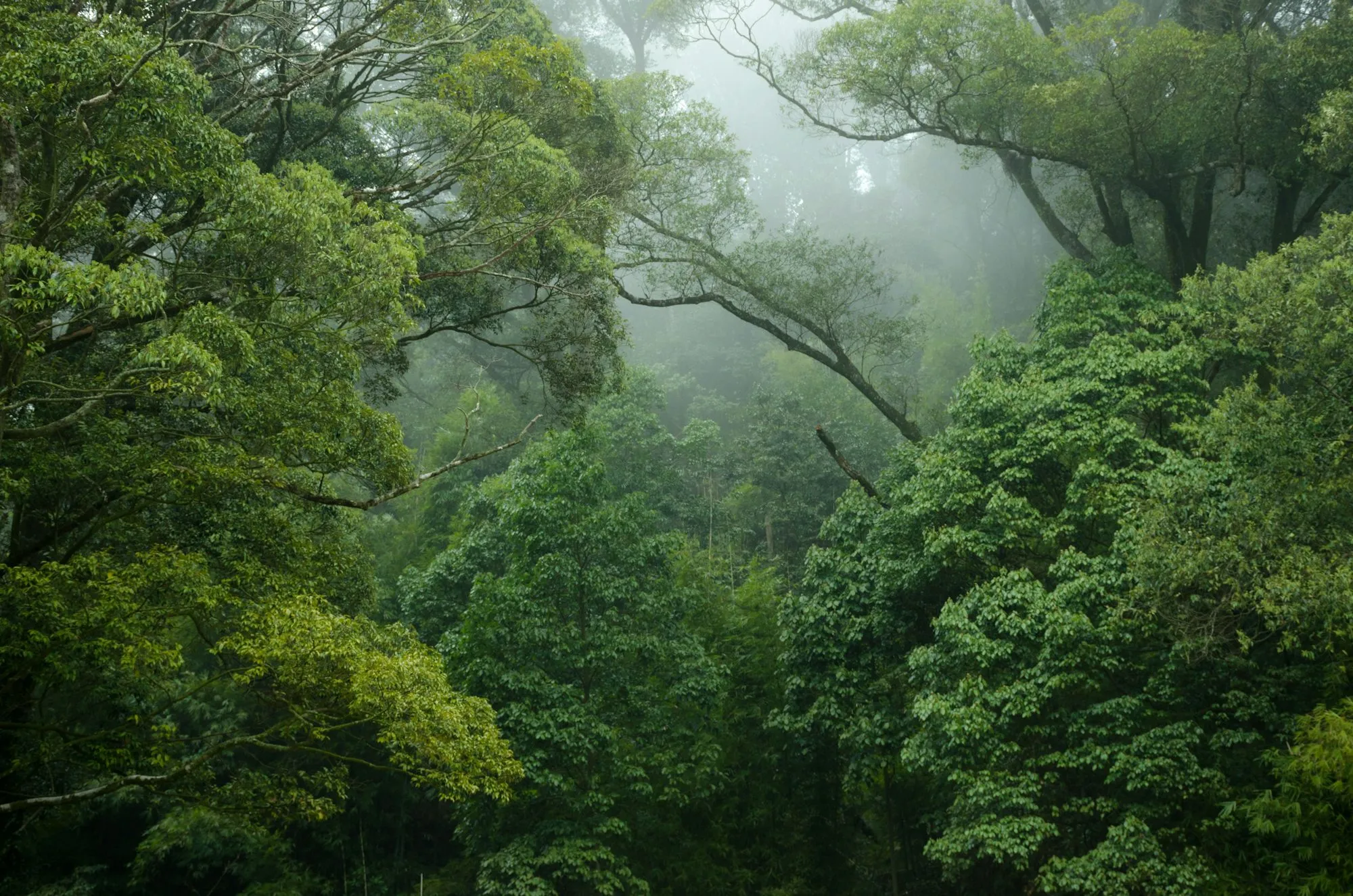
Quick Guide
- Volcano lovers and hot springs: Arenal, La Fortuna, Tabacon
- Cloud forest and orchids: Monteverde, Selvatura Park
- Beach and wildlife: Manuel Antonio, Mal Pais
- Deep jungle expedition: Corcovado National Park
- City culture and coffee: San Jose, Central Valley
- Adventure sports: Rafting on Sarapiqui, ziplining, surfing
Climate Cheat Sheet
| Region | Best Months | Temp Range | Rain |
|---|---|---|---|
| Central Valley | Dec-Apr | 17-27C | Dry season golden |
| Arenal / Northern | Dec-Apr | 22-30C | Afternoon showers year-round |
| Monteverde | Dec-Apr | 13-24C | Mist is permanent, embrace it |
| Pacific Coast | Dec-Apr | 25-35C | Green season May-Nov |
| Caribbean Coast | Sep-Oct, Feb-Apr | 25-30C | Less predictable, drier Sep-Oct |
| Corcovado / Osa | Dec-Apr | 26-33C | Very wet May-Nov |
1. San Jose - Gold, Coffee, and Pura Vida
Most travellers rush through the capital. That is a mistake. San Jose sits at 1,200 metres, ringed by mountains, with half the country’s population crammed into a valley that somehow still feels intimate. Start on Avenida Central - the best people-watching strip in the country - and wander to the National Theatre, built in 1897 with such Parisian ambition that if you have been to the Palais Garnier you will do a double take.
The Gold Museum holds thousands of indigenous figurines - gods, animals, abstract shapes - all fashioned from gold by pre-Columbian artisans. There is also a replica of an indigenous burial site uncovered on a banana plantation in 1950. For contemporary craft, hit the artisan market before dinner on gallo pinto - rice, beans and vegetables that is Costa Rica’s culinary heartbeat.
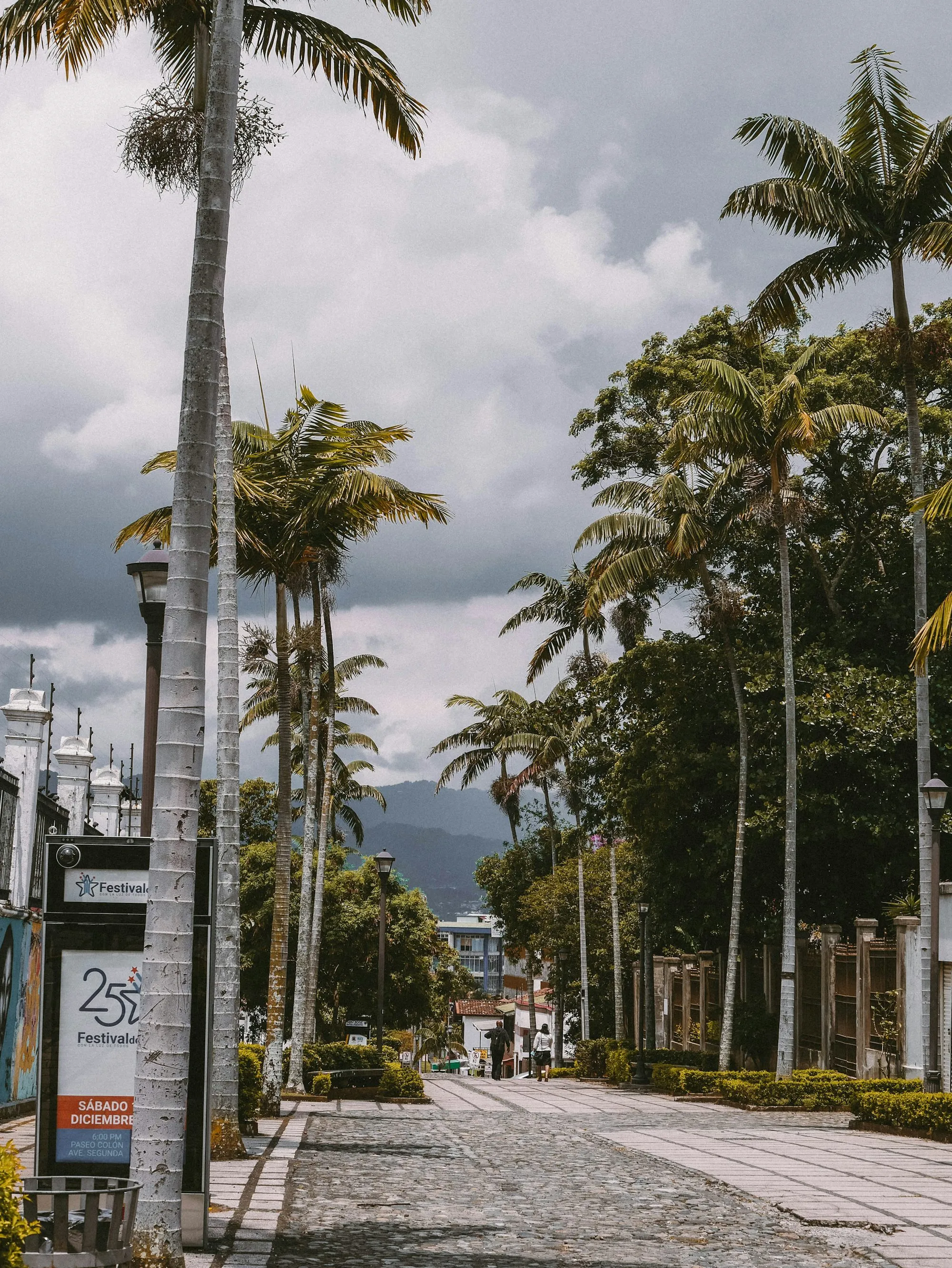
Must-see: National Theatre, Gold Museum, Central Market Best for: Culture vultures, coffee lovers, arrival day Tip: Buy your coffee souvenirs here - it is the cheapest place in the country
2. Rio Sarapiqui - River Canyons and Jungle Thrills
Ninety minutes from the capital, the Sarapiqui region is where Costa Rica’s adventure crowd comes to play. The river has carved a winding canyon through primary forest, and the only way to truly appreciate it is from a boat - or from the water itself. Rafting routes range from family-friendly float trips to Class III rapids that will test your paddle arm. Horseback riding through farmland, ziplining between ancient tree canopies, and evenings in a soda (the Costa Rican word for a local eatery) eating casado - this is the real Costa Rica, before the Instagram crowd arrives.
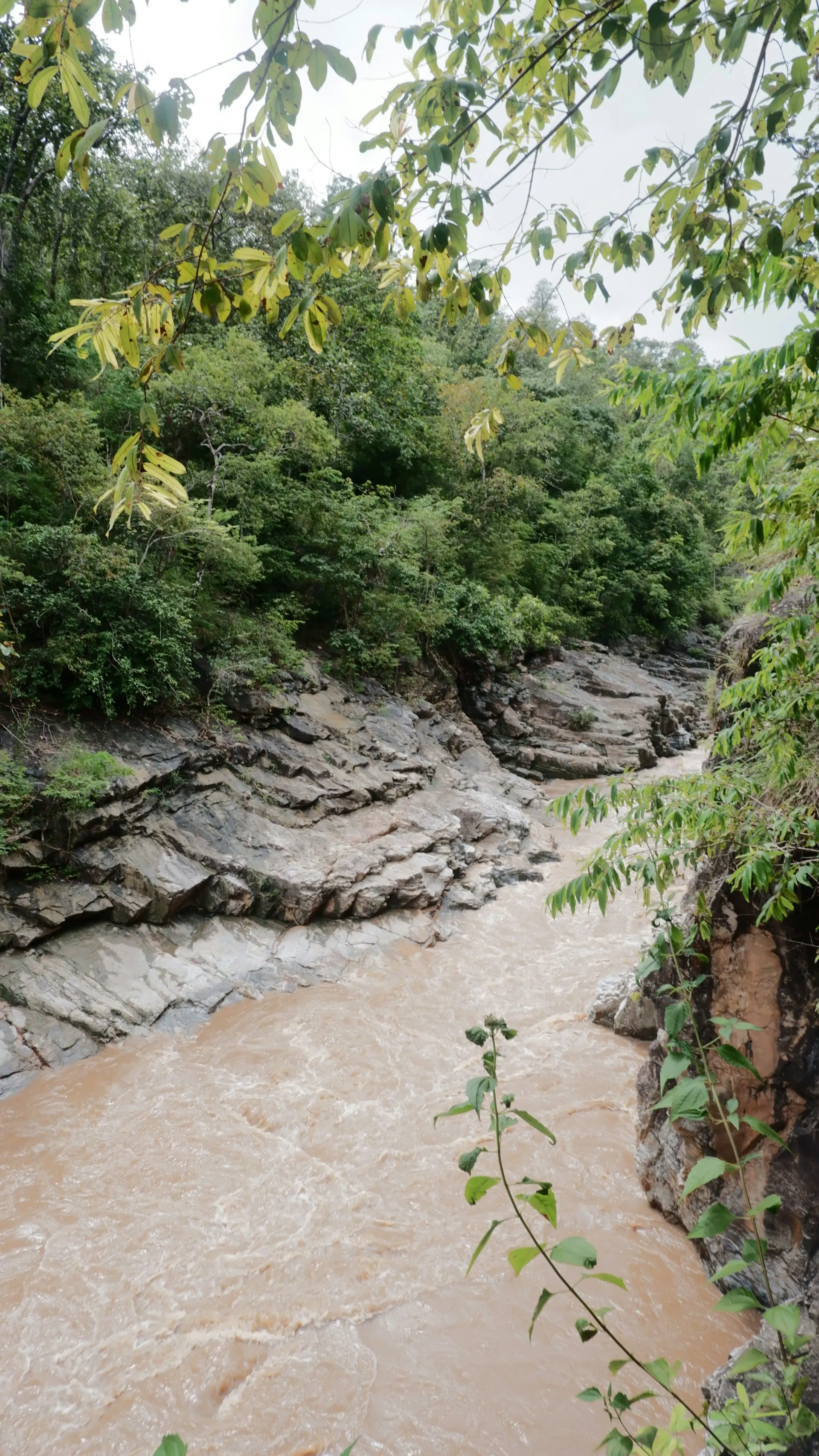
Activities: River cruise, rafting (Class II-III), horseback riding, zipline Stay: Eco-lodge on the riverbank Best time: Year-round (dry season for calmer water)
3. Arenal Volcano and La Fortuna - Walking on Fire
Arenal is the volcano that launched a thousand postcards. Its perfect conical silhouette, often swathed in cloud, rises 1,670 metres above the surrounding jungle. It is one of the ten most active volcanoes on Earth - its summit clears roughly once a week, so bring patience and a camera. The four-hour trail through Arenal Volcano National Park takes you to multiple viewpoints over mist-wrapped forest, and across hanging bridges suspended above the canopy.
Below the volcano, La Fortuna is the town that lava built - or more accurately, that lava heats. Underground magma warms dozens of natural springs and waterfalls to temperatures between 27 and 42 degrees Celsius. After a day of hiking, you sink into a thermal pool and watch the volcano’s silhouette darken against the sky. If this is not Eden, it is doing a very convincing impression.
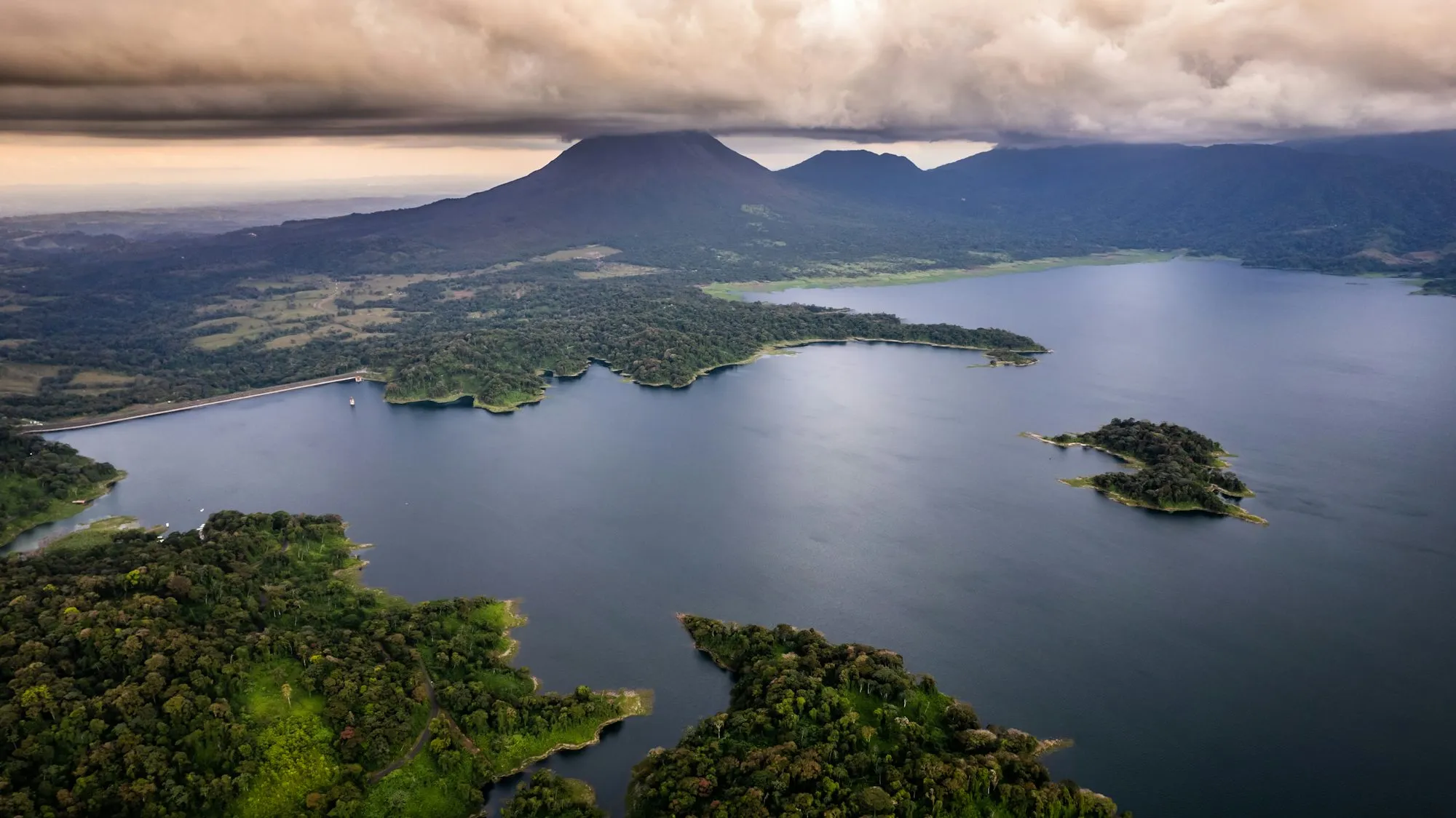
Trail: Arenal Volcano National Park (4 hours, moderate) Highlight: La Fortuna Waterfall - 70 metres of thundering cascade into a swimmable pool Soak: Tabacon Hot Springs (gradient from 27C to 42C as you approach the volcano) Stay: Private villa at the foot of the volcano
4. La Fortuna Waterfall - The Jungle Pool
A separate mention for this cascade, because it deserves its own chapter. A 500-step staircase descends through forest to a 70-metre waterfall that crashes into an emerald pool so inviting that even the most reluctant swimmer will find themselves waist-deep before they can talk themselves out of it. The water is cool - a shock after the hot springs - and the surrounding cliffs are draped in moss and ferns. Go early, before the tour buses arrive, and you will have the place almost to yourself.
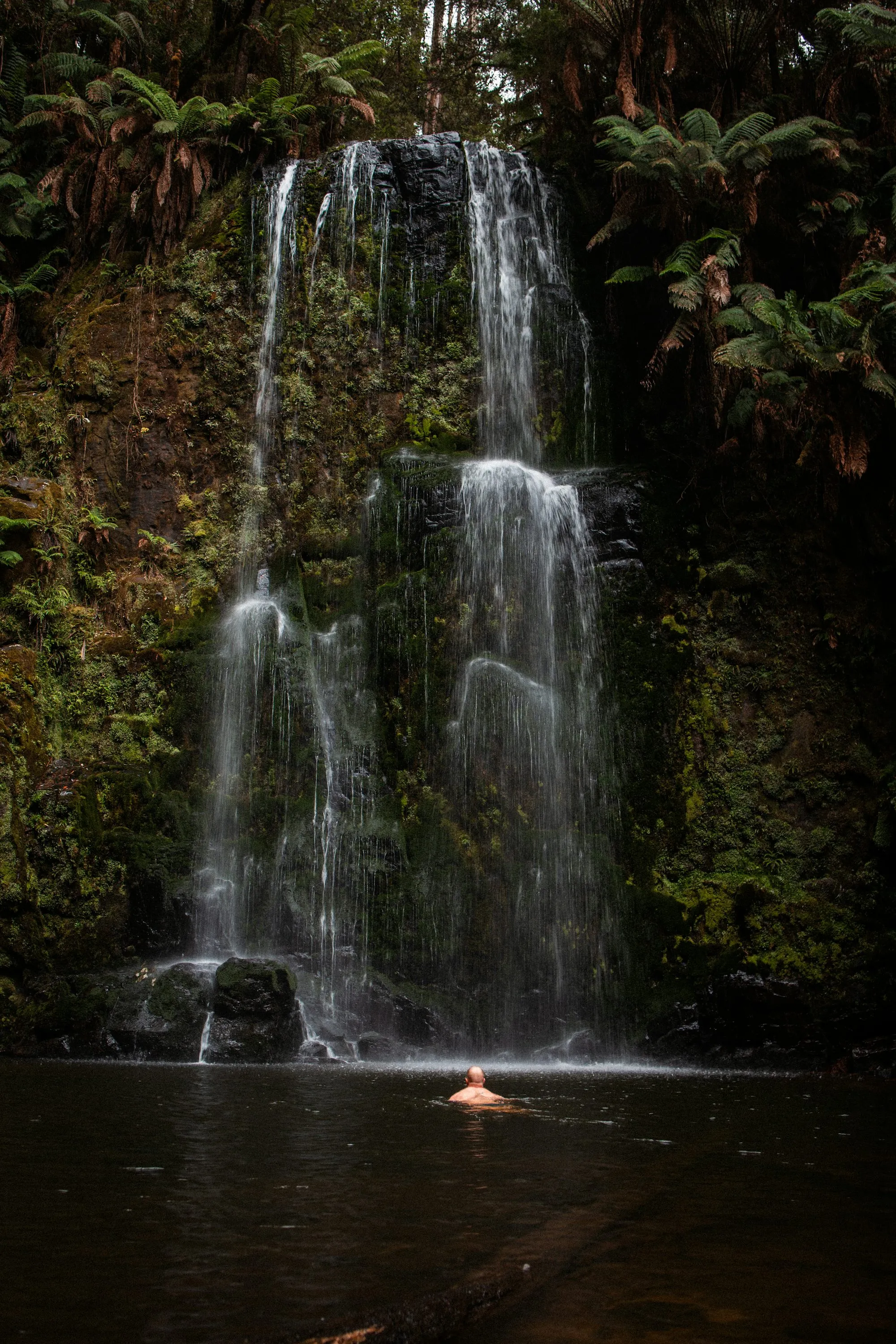
Entrance: $18 USD (includes parking) Difficulty: 500 steps down (the same 500 steps back up - pace yourself) Swim: Yes, and you should
5. Monteverde Cloud Forest - Where Orchids Outnumber Visitors
Four hours by road from La Fortuna brings you to Monteverde - a name that translates as Green Mountain, which is like calling the Pacific Ocean “a bit wet.” The Bosque Nuboso (Cloud Forest) Reserve protects a primordial landscape where white mist floods the forest floor, hummingbirds hover at arm’s length, and orchids grow in impossible profusion - 500 species and counting, with scientists still discovering new ones.
The Selvatura Park suspension bridges let you walk above the canopy, watching cloud pour through the treetops like slow-motion whitewater. Hundreds of streams crisscross the forest floor. At night, the forest soundtrack shifts to tree frogs, cicadas and creatures you will never see but will definitely hear. This may be what Earth sounded like before humans showed up.
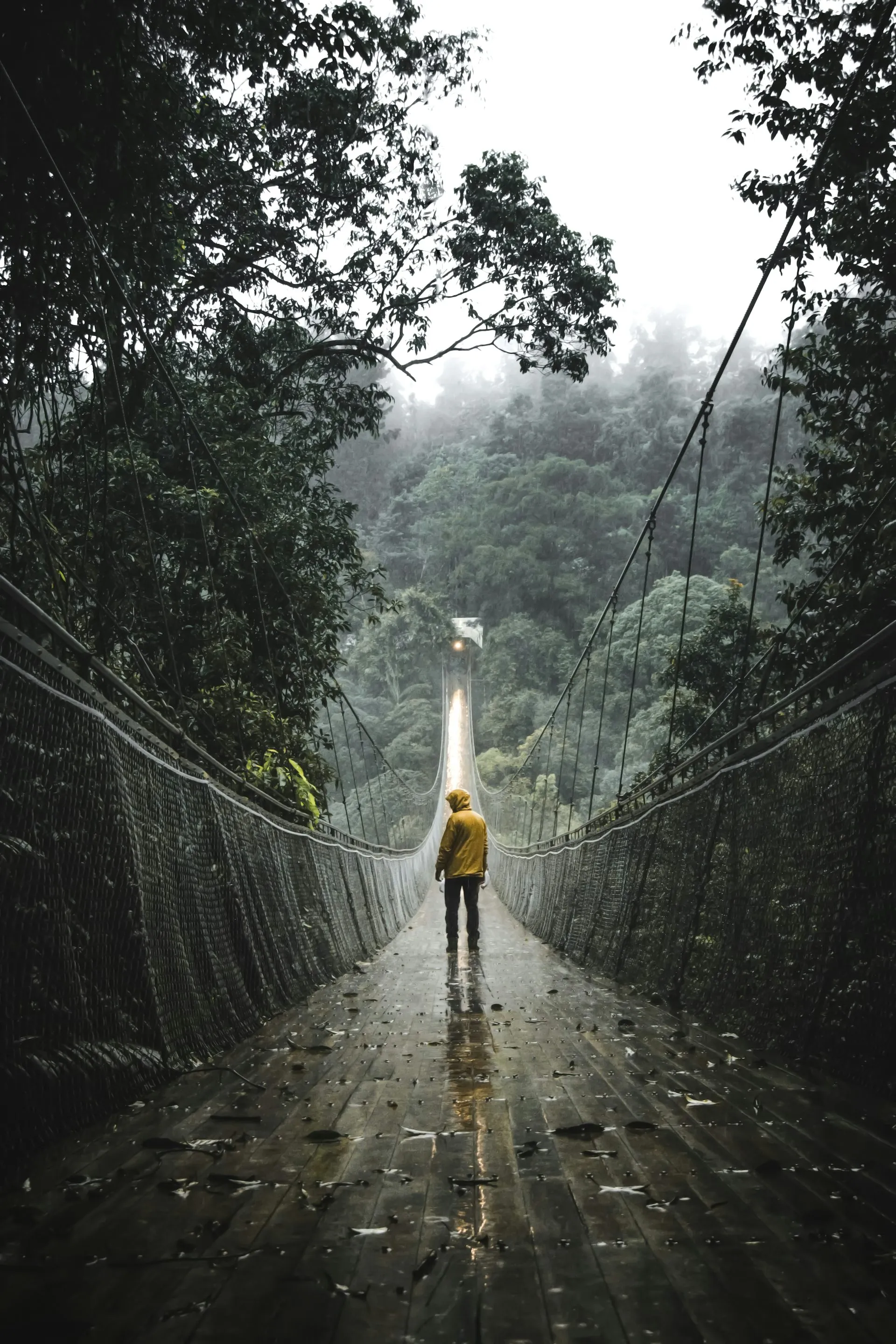
Trail: Suspension bridges, hummingbird garden, orchid exhibit Species: 500+ orchid species, 400+ bird species Stay: Chalet inside the reserve - fall asleep to the sounds of primal forest
6. Manuel Antonio National Park - Where Jungle Meets Beach
This is Costa Rica’s oldest national park, and also its most contradictory - a place where dense tropical forest literally walks right up to the sand and dares the ocean to push it back. White-faced capuchin monkeys patrol the beaches. Brown pelicans dive-bomb crystal-clear waves. Sloths track your movements from the trees with an expression somewhere between disapproval and deep calm.
The park’s beaches have consistently ranked among the world’s most beautiful, and the water temperature is what the Caribbean wishes it could be. Kayak through mangrove channels, try stand-up paddleboarding, or simply lie on the sand and let capuchins steal your sandwich (they will try). At sunset, local fishermen grill the day’s catch into a seafood dinner worthy of royalty.
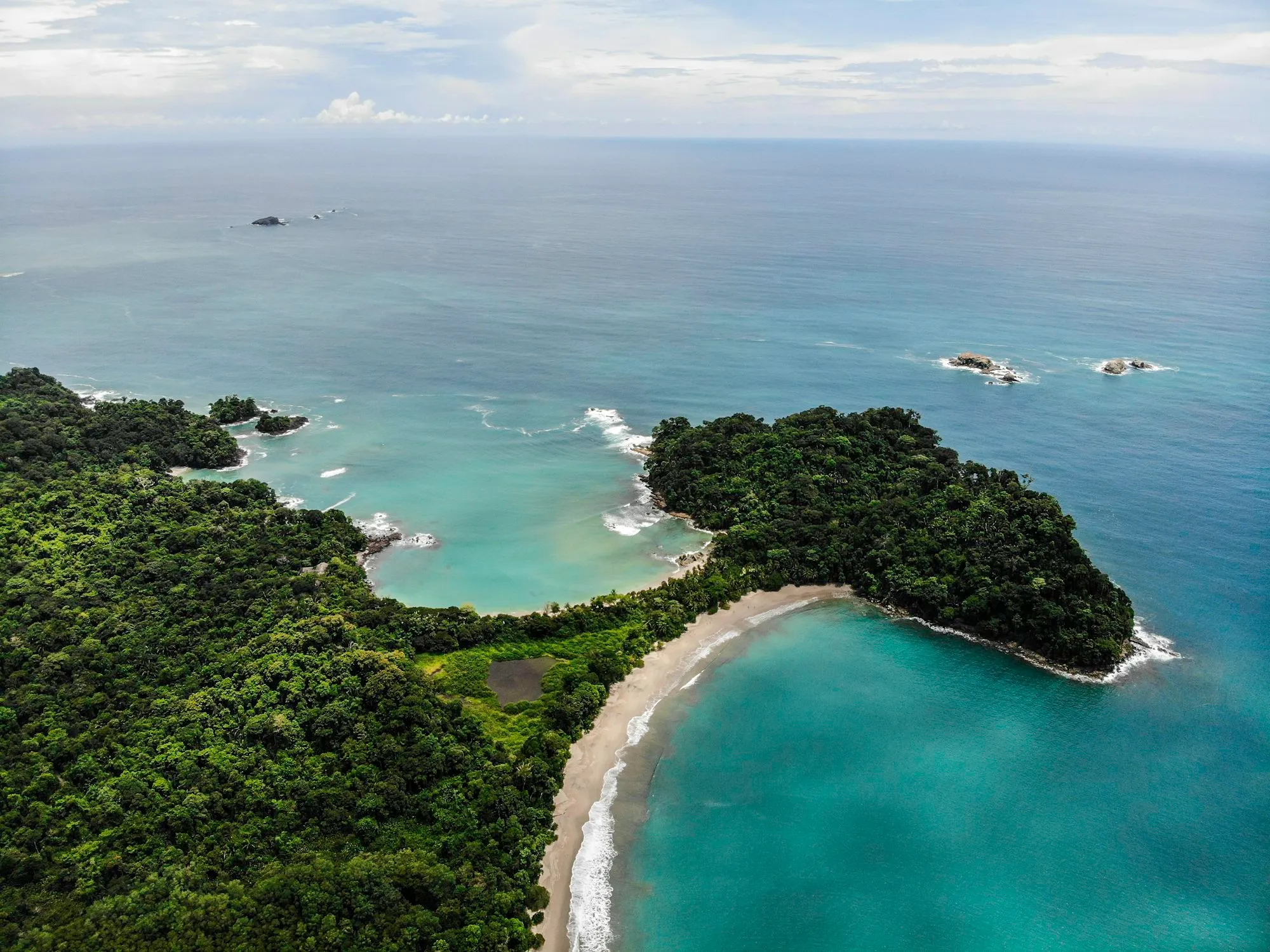
Wildlife: Capuchin monkeys, sloths, pelicans, colourful reef fish Beaches: Three pristine white-sand coves inside the park Activities: Hiking, kayaking, SUP, snorkelling
7. Montezuma Waterfall and Mal Pais - The Bohemian Coast
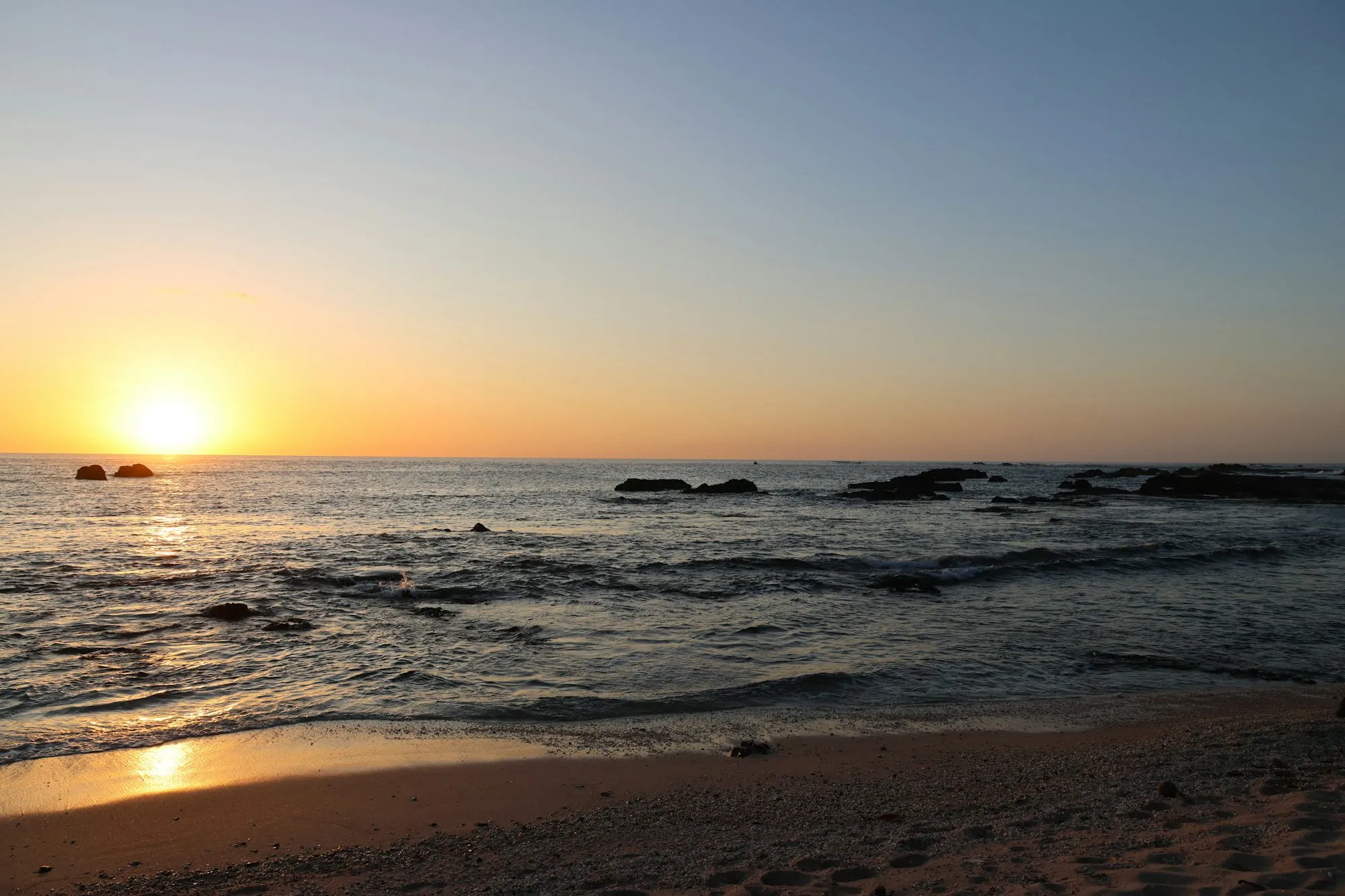
The Nicoya Peninsula is where Costa Rica’s surf-and-yoga crowd washes up. Montezuma waterfall tumbles into a series of swimmable pools, accessible by a short jungle hike. Further south, Mal Pais and Santa Teresa offer Pacific breaks that belong on any surfer’s bucket list and beaches that make top-ten lists globally. This is the flip side of Costa Rica - less organised, more organic, with reggae leaking from beach bars and sunsets that last
8. Corcovado National Park - The Last Untouched Jungle
If you think you have seen jungle, Corcovado will recalibrate your expectations. National Geographic called it “the most biologically intense place on Earth.” The park covers the Osa Peninsula - a place so wild that reaching it requires a seven-hour drive or a small plane. Giant trees meet the ocean. Mangrove roots twist into shapes that look like sculptures by a feverish artist. You trek in rubber boots, cross rivers on foot, and emerge with stories that no photograph can fully capture.
The second day, you trade boots for kayaks, sliding through mangrove channels past herons, caracaras and dolphins. The silence is broken only by paddle strokes and the occasional splash of a fish startled by your shadow. It is impossible not to feel like a guest on a planet that does not really belong to you.
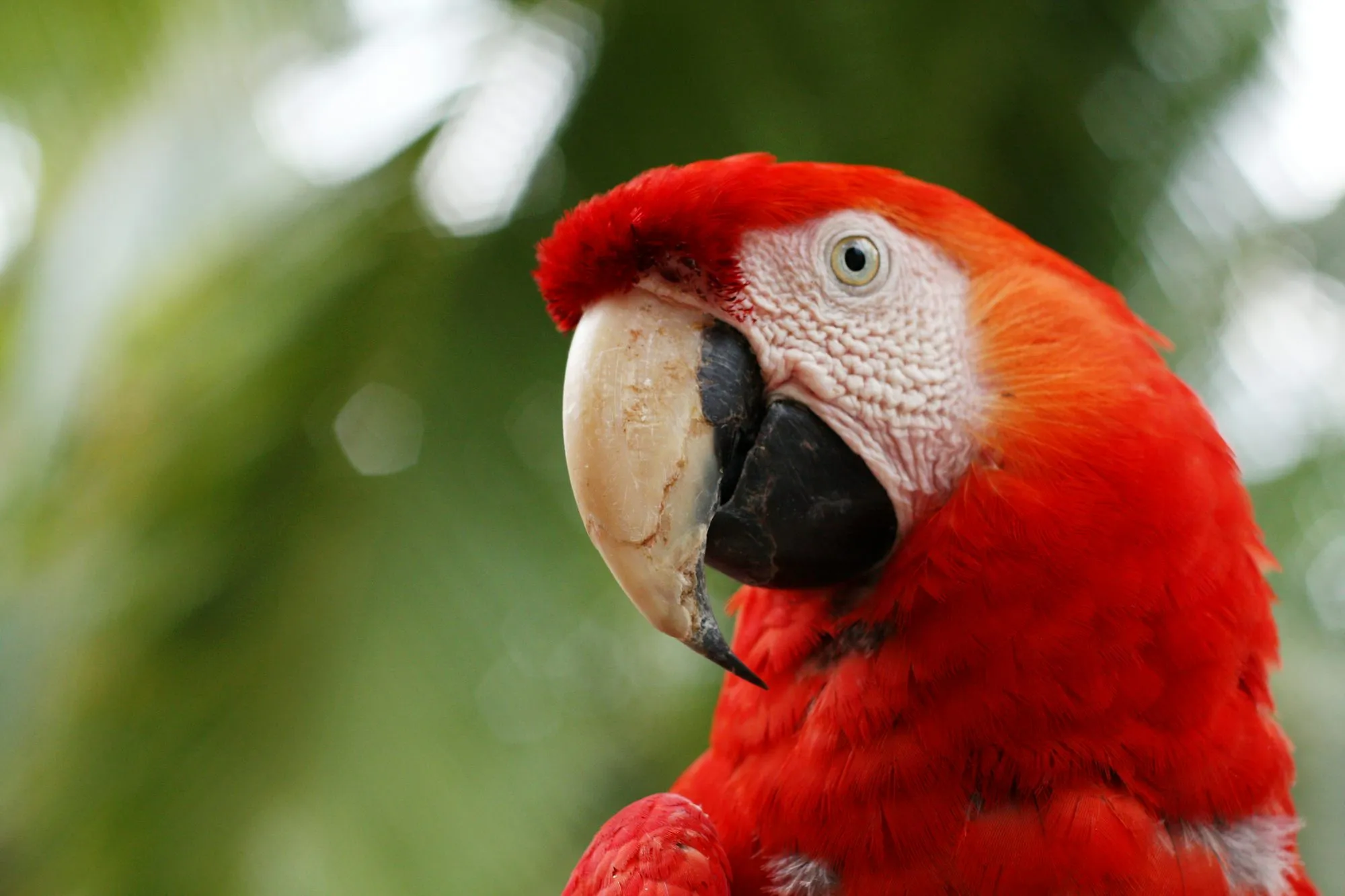
Difficulty: Moderate to strenuous - real jungle conditions Access: 7 hours by road from Manuel Antonio, or fly to Drake Bay Wildlife: Tapirs, jaguars (rare), scarlet macaws, four monkey species Stay: Lodge inside the park boundaries
9. The Wildlife - Sloths, Toucans and 500,000 Species
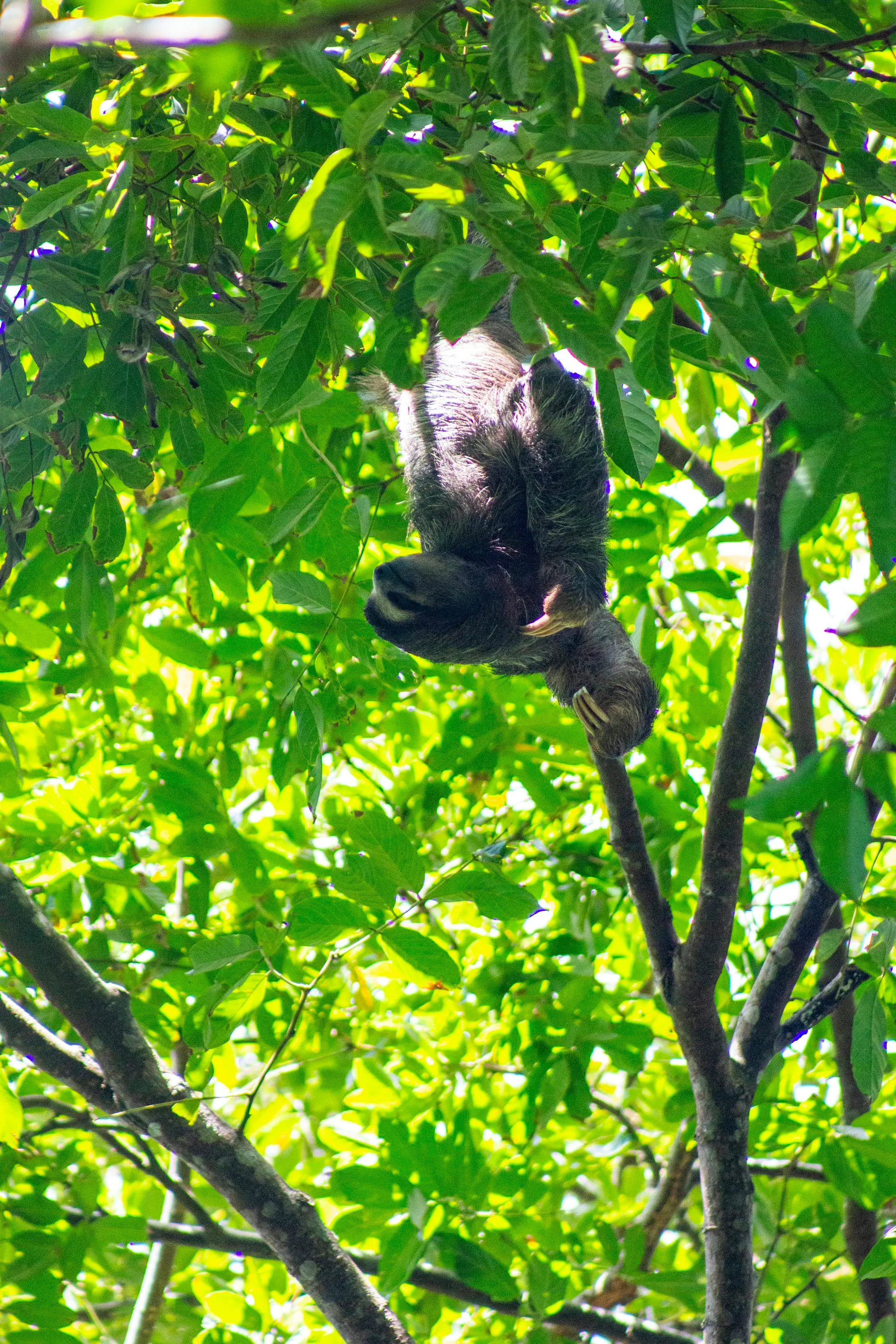
Costa Rica holds roughly 5% of the world’s biodiversity in 0.03% of its land area. That is not a typo. Sloths hang from Cecropia trees with an air of supreme indifference. Toucans flash their rainbow bills through the canopy. Howler monkeys deliver dawn announcements that make alarm clocks redundant. In Manuel Antonio alone, you might spot squirrel monkeys (endangered), white-faced capuchins, and three-toed sloths before breakfast.
Big five (Costa Rica edition): Three-toed sloth, toucan, howler monkey, scarlet macaw, sea turtle Best for wildlife: Corcovado (tapirs, jaguars), Manuel Antonio (monkeys, sloths), Tortuguero (sea turtles, July-October) Rule: Look up. Most of the interesting stuff happens in the canopy.
10. Coffee and Souvenirs - What to Bring Home
Costa Rican coffee is among the finest on Earth, and the Central Valley’s plantations produce beans that taste like the altitude they grow at - bright, clean, with a sweetness that needs no sugar. The best buys are whole beans from small roasters, not the pre-packaged supermarket brands. Also worth hunting: artisan chocolate made from local cacao, fresh and dried mango, bamboo clothing, and handcrafted jewellery made from coffee beans (yes, that is a thing, and it works).
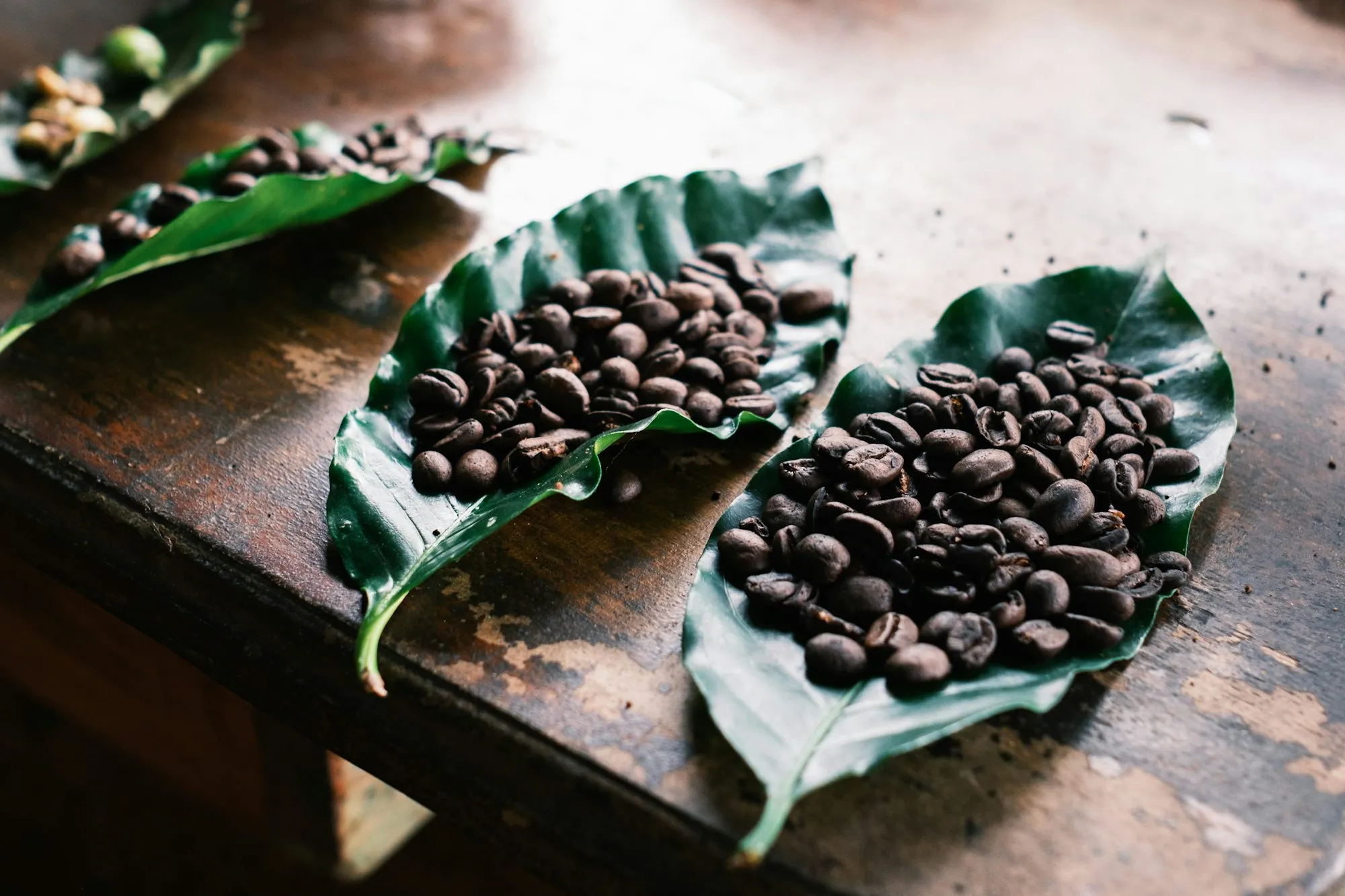
Best coffee regions: Central Valley, Tarrazu, West Valley Other souvenirs: Cocoa, artisan chocolate, bamboo clothing, handcrafted jewellery Where to buy: San Jose artisan market, Monteverde coffee shops
At a Glance
| Destination | Type | Highlight | Days |
|---|---|---|---|
| San Jose | City culture | Gold Museum, National Theatre | 1-2 |
| Rio Sarapiqui | Adventure | Rafting, river canyons | 1-2 |
| Arenal / La Fortuna | Volcano + hot springs | Arenal trail, thermal pools | 2-3 |
| La Fortuna Waterfall | Nature | 70m cascade swimmable pool | 0.5 |
| Monteverde | Cloud forest | Suspension bridges, 500 orchid species | 1-2 |
| Manuel Antonio | Beach + wildlife | Monkey beaches, snorkelling | 2-3 |
| Mal Pais / Montezuma | Bohemian coast | Surfing, waterfalls | 2-3 |
| Corcovado | Deep jungle | Most biodiverse place on Earth | 2-3 |
Practical Tips
- No visa required for citizens of most countries (check before you go)
- Currency: Costa Rican colon (USD widely accepted)
- Language: Spanish (English common in tourist areas)
- Safety: Very safe for Central America - use common sense
- Best time: December to April (dry season); green season May-November is cheaper and lusher
- Getting around: Shuttle buses between major destinations; domestic flights for Corcovado
- National park fees: $10-18 USD per park; Corcovado requires a certified guide
- What to pack: Lightweight rain jacket, hiking shoes, binoculars, reef-safe sunscreen