The Dominican Republic has a problem: it’s too good at first impressions. People land in Punta Cana, see the white sand, and never leave the resort bubble. Which is like buying a novel and reading only the dust jacket. This island — the second-largest in the Caribbean — holds rainforests, colonial cities, desert coastlines, world-class surf, and waterfalls that turn people into poets. Here’s where to go when you’re ready to see the real Dominican Republic.
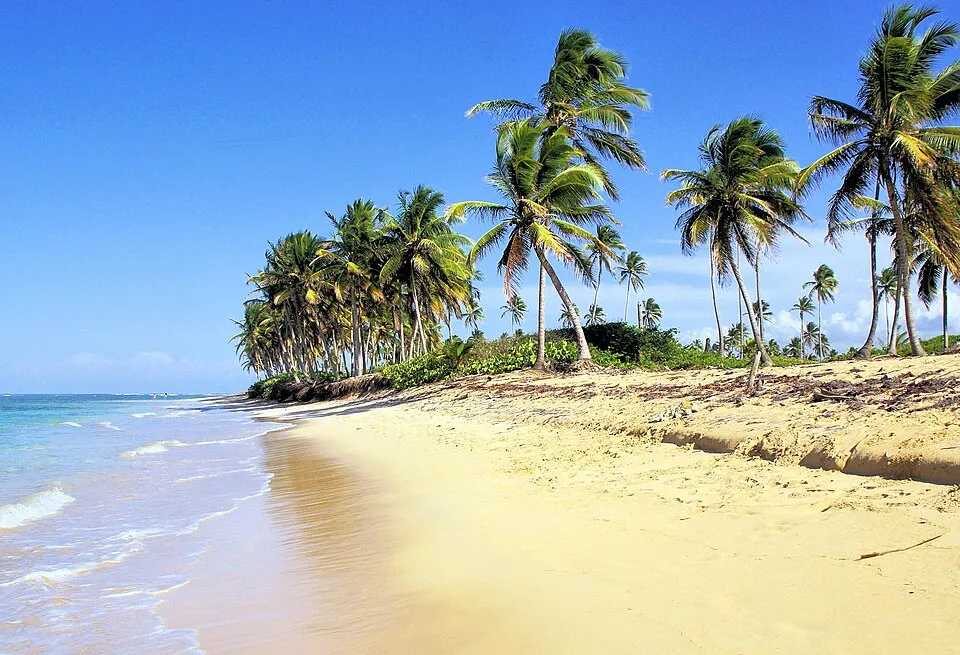
Punta Cana & Bávaro — The Coast That Started It All
Punta Cana isn’t subtle. Thirty kilometres of Coco Palm–lined beach, water in fifteen shades of turquoise, and resorts so polished you could eat off the lobby floor. Bávaro is the heart of it — the stretch where all-inclusive was practically invented.
But here’s the move most visitors miss: get up before dawn and walk the beach when it’s just you, the pelicans, and the fishermen dragging their skiffs onto the sand. That’s the real Punta Cana — before the loungers claim their territory and the cocktail menus open. Punta Cana isn’t just where you stay; it’s where you start.
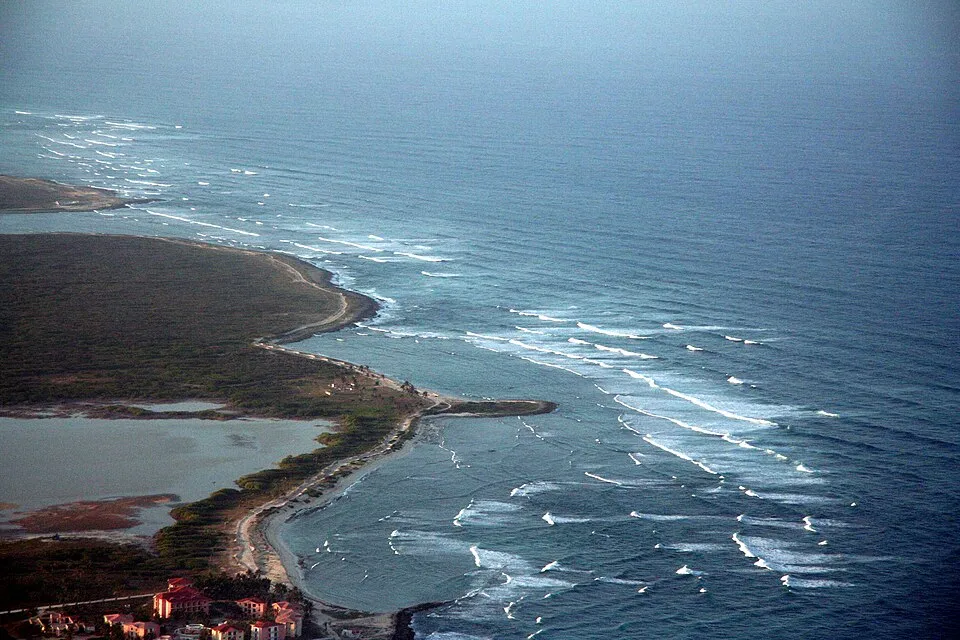
Saona Island — The Screensaver Made Real
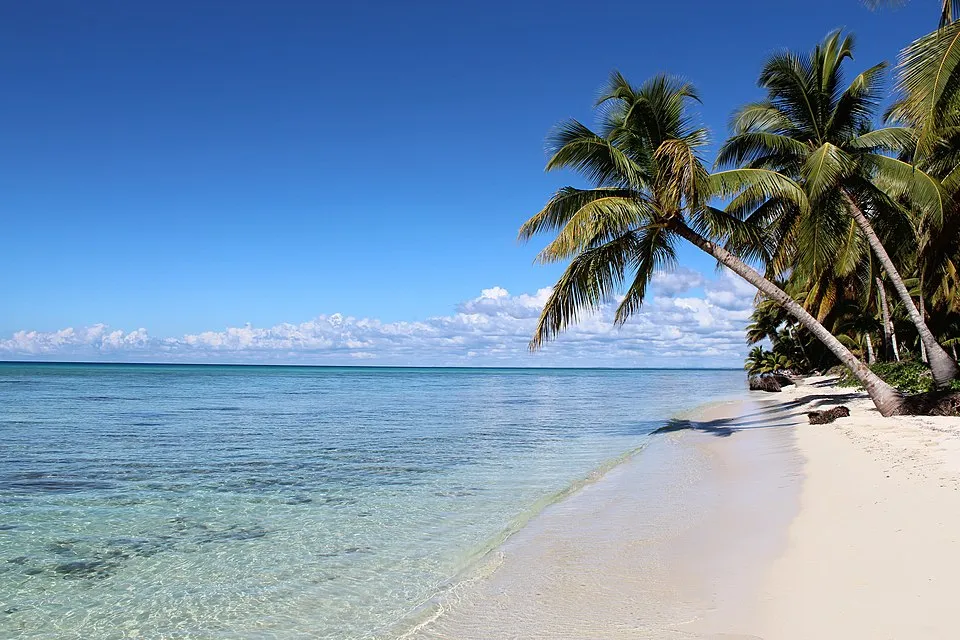
A forty-minute catamaran ride from Bayahíbe lands you on Saona — a protected island that exists primarily to make photographers unemployed. The water is absurdly transparent, the sand is flour-grade, and the palm trees lean at exactly the angle every travel magazine pretends they invented.
But the magic is in the journey: the catamaran stops at a natural swimming pool in the middle of the ocean, waist-deep water under a blazing sky where starfish dot the white sand floor. It’s the kind of place that makes you question whether reality has a saturation slider.
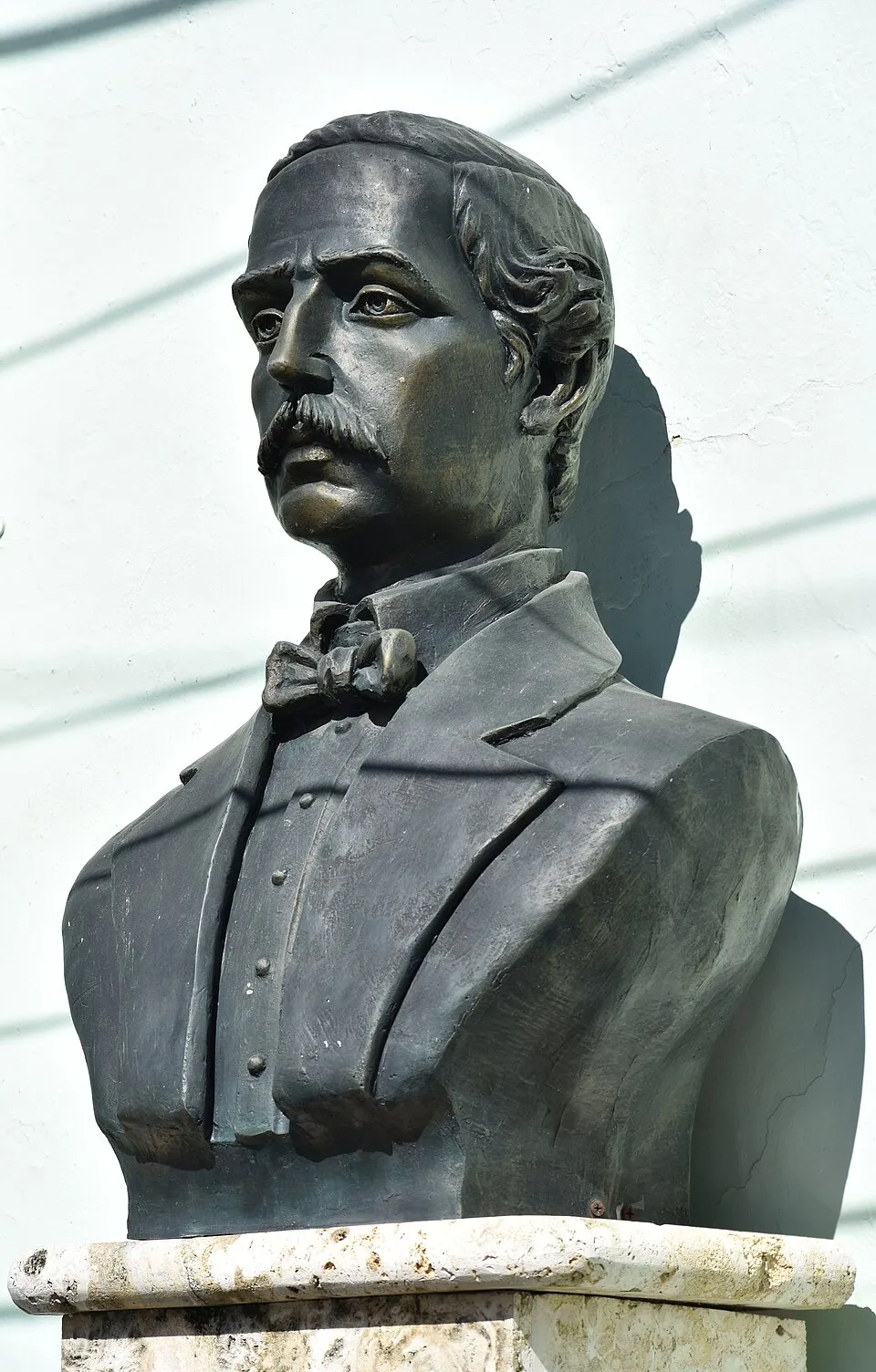
Santo Domingo — The Oldest City in the Americas
The Dominican capital doesn’t need to try hard. It was the first European settlement in the New World (1496), and the Zona Colonial — a UNESCO World Heritage Site — still has its original grid layout, cobblestone streets, and the first cathedral, hospital, and university built in the Americas.
Walk Calle Las Damas, the oldest paved street in the Western Hemisphere. Have a cold Presidente at a colonial courtyard café. Listen to merengue spill out of doorways until the rhythm rearranges your heartbeat. Santo Domingo isn’t a museum piece; it’s a living city with five centuries of volume turned all the way up.
Samaná — Where Whales Breach and Waterfalls Roar
January through March, humpback whales migrate to Samaná Bay to mate and calve — and you can watch them breach from a small boat, close enough to feel the splash. It’s one of the most accessible whale-watching experiences on earth.
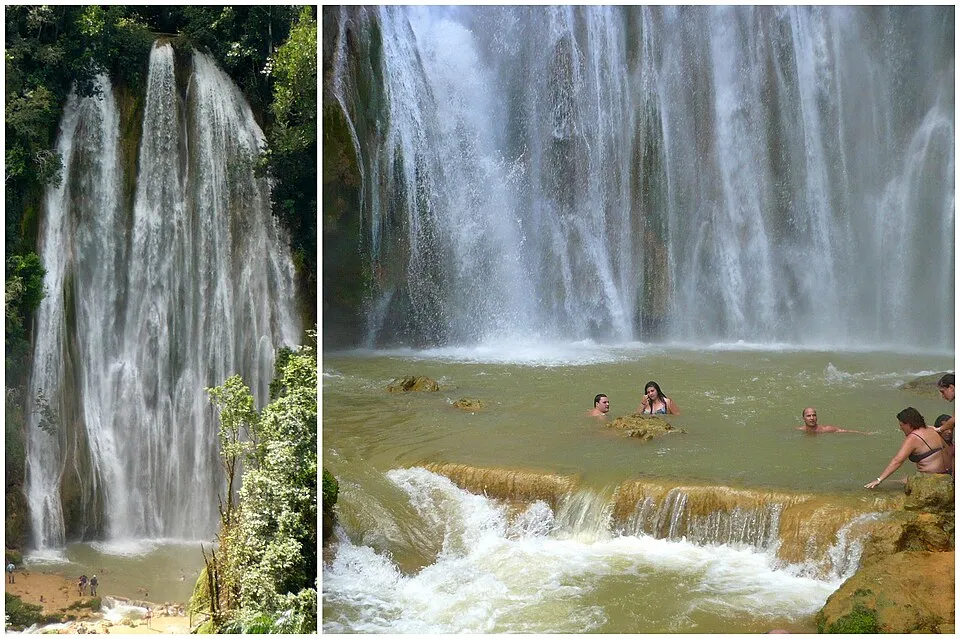
Then there’s El Limón: a 50-metre waterfall in the jungle that you reach by horseback through coffee and cacao plantations. The swim at the bottom is cold, deafening, and completely worth it. Samaná is the Dominican Republic’s masterclass in controlled drama.
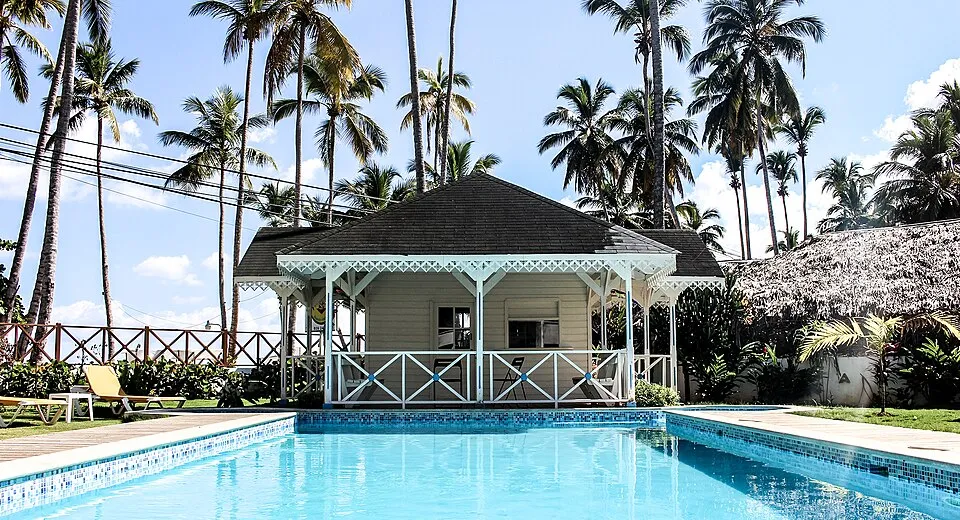
The Waterfalls — The Island’s Secret Interior
Beyond El Limón, the interior hides a series of cascades that most tourists never see. Salto de Limón is the star, but venture further and you’ll find spots where the only sound is water hitting rock and the only crowd is a few butterflies playing in the mist.
Take a local guide. The trails aren’t signed, the paths aren’t paved, and the reward is a swimming hole that feels like it was made for you specifically.
Cabarete — The Wind Factory
If Punta Cana is relaxation, Cabarete is adrenaline. This town on the north coast has wind conditions so reliable that kiteboarders from every continent treat it like a second home. The bay is a patchwork of colourful kites from dawn to dusk, and the beach bars crank up the volume as the sun goes down.
You don’t need to be a pro — beginners start in shallow, flat-water lagoons just upwind. But if you are a pro, Cabarete will test you. And then pour you a rum.
The Landscape — More Than Beaches
Drive inland and the topography rewires your expectations. The Dominican Republic has the Caribbean’s highest peak (Pico Duarte, 3,098 m), semi-arid deserts in the southwest, mangrove forests, and limestone cliffs that drop into the sea like architectural statements.
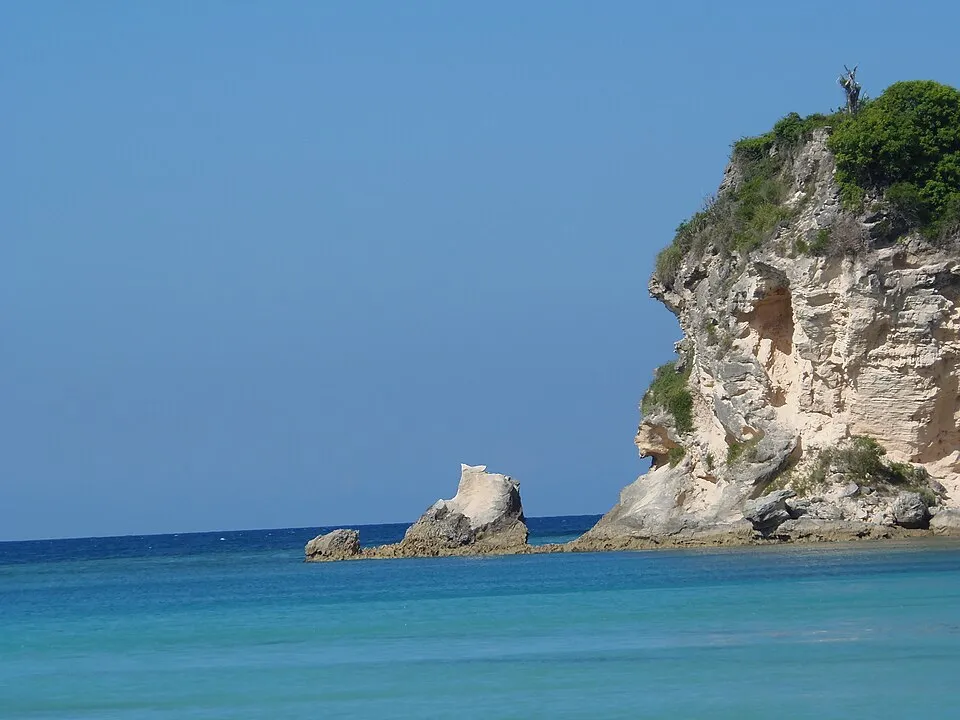
The southwest — around Barahona and Pedernales — is the island’s best-kept secret. Bahía de las Águilas is an eight-kilometre beach with no buildings, no vendors, no infrastructure — just white sand, turquoise water, and the kind of silence that makes you remember what quiet actually sounds like.
La Romana & Altos de Chavón
A Mediterranean village perched above the Chavón River — in the Caribbean. Altos de Chavón was built in 1976 as a replica of a 16th-century Italian village, and it’s absurd, charming, and somehow completely authentic at the same time. Frank Sinatra performed at its amphitheatre’s inauguration. The craft workshops sell work from local artisans, not factory souvenirs.
Nearby, Cave of Wonders (Cueva de las Maravillas) holds petroglyphs from the Taíno people — the island’s original inhabitants — dating back over a thousand years.
What to Know Before You Go
- Best time: December to April (dry season, whale season). Hurricane risk peaks September–October.
- Currency: Dominican Peso (DOP), but USD is widely accepted in tourist areas.
- Language: Spanish. English works in resorts; less so elsewhere — and that’s part of the charm.
- Essential: Reef-safe sunscreen, a sense of adventure, and the willingness to leave your resort at least once.
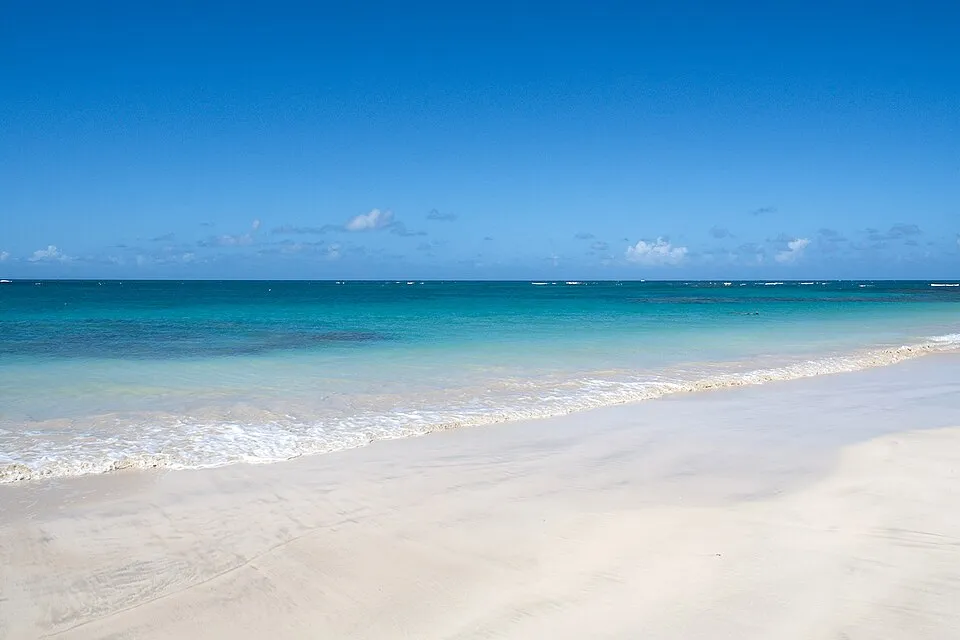
The Dominican Republic isn’t trying to be exclusive. It’s trying to be unforgettable. And it succeeds — not because of any single beach or waterfall, but because the whole island operates on a frequency of warmth, rhythm, and colour that gets under your skin before the first Presidente is finished. Come for the sand. Stay for everything else.