The world doesn’t run out of reasons to gather — here are the ones worth crossing oceans for.
Some festivals are local affairs, charming in their intimacy. Others are gravitational events so vast, so vivid, so unmistakably alive that they pull travelers from every meridian on the map. This is a guide to the latter: the celebrations that redefine what it means to be present, that turn entire cities into canvases, dance floors, cathedrals of light and sound and pigment. Grouped not by geography but by spirit — because the pulse that ignites a bonfire in the Nevada desert shares a heartbeat with the torchlit processions of the Scottish winter. Read on, and start clearing your calendar.
Fire & Ash
There is something primal about gathering around fire — a ritual older than language, older than borders. These festivals honor that instinct on a colossal scale.
Burning Man — Black Rock Desert, Nevada
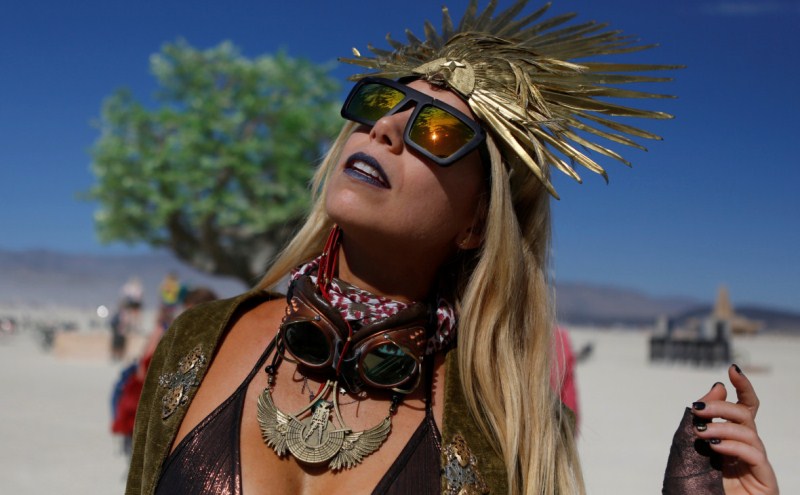
Once a year, a temporary city rises from the cracked alkaline flats of the Black Rock Desert, populated by tens of thousands of artists, dreamers, and misfits who subscribe to a single radical premise: participation over spectatorship. No spectators — only participants. Monolithic sculptures catch fire against ink-black skies, mutant vehicles roam the playa, and the Man himself burns on Saturday night in a catharsis that needs no translation. There are no VIP sections here. The luxury is the freedom itself.
Up Helly Aa — Lerwick, Shetland, Scotland
In the depths of a Shetland January, when daylight scrapes by in four-hour increments, a thousand men in full Viking regalia march through Lerwick bearing flaming torches. The procession ends with the ceremonial burning of a galley ship — a hand-built replica consumed by fire in a matter of minutes while the Jarl’s Squad looks on in stoic magnificence. It is stark, beautiful, and utterly committed to its own mythology. Shetland does not perform Viking heritage; it lives it.
Inti Raymi — Cusco, Peru
The Festival of the Sun dates back to the Inca Empire, and its modern reenactment at the fortress of Sacsayhuamán is nothing short of breathtaking. Hundreds of performers in gold and feathered regalia invoke Inti — the sun god — at the winter solstice, the moment when the Inca needed divine favor most. Against the megalithic walls above Cusco, the ceremony becomes something more than theater: it is a claim on immortality, a refusal to let a civilization vanish from memory.
Holi Bonfire Night — India
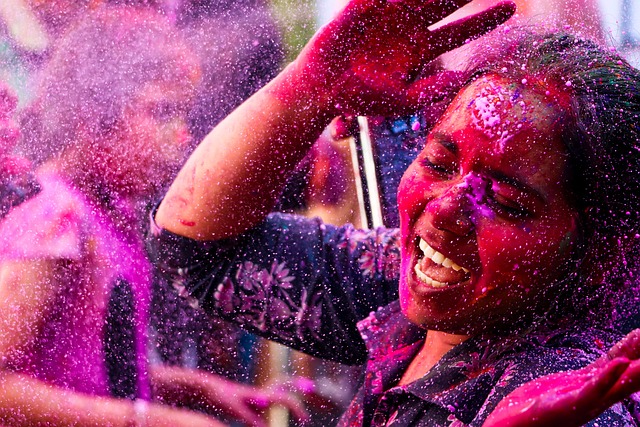
Before the clouds of color, there is fire. Holika Dahan — the burning of the demoness Holika — takes place on the night before the main Holi celebrations. Communities gather around towering pyres, singing, drumming, and watching flames consume evil in its symbolic form. The bonfire is the overture to the rainbow that follows, and standing beside it in a small Rajasthani village or a Delhi courtyard, you feel the narrative arc of the whole festival: destruction before creation, ash before color.
Masks & Masquerade
Identity is fluid behind a mask. At these festivals, anonymity becomes liberation — a license to be someone else, or finally, to be yourself.
Venice Carnival — Venice, Italy
For two weeks before Lent, Venice returns to the 18th century. Gilded bauta masks, plumed tricorn hats, and caped figures drifting across fog-draped bridges — it is theatricality perfected. The city that invented the art of public appearance becomes a stage where everyone performs. Private balls behind palazzo doors are the real draw for those in the know: candlelit rooms, Baroque orchestras, and the frisson of not knowing who stands beside you.
Día de los Muertos — Oaxaca & Mexico City, Mexico
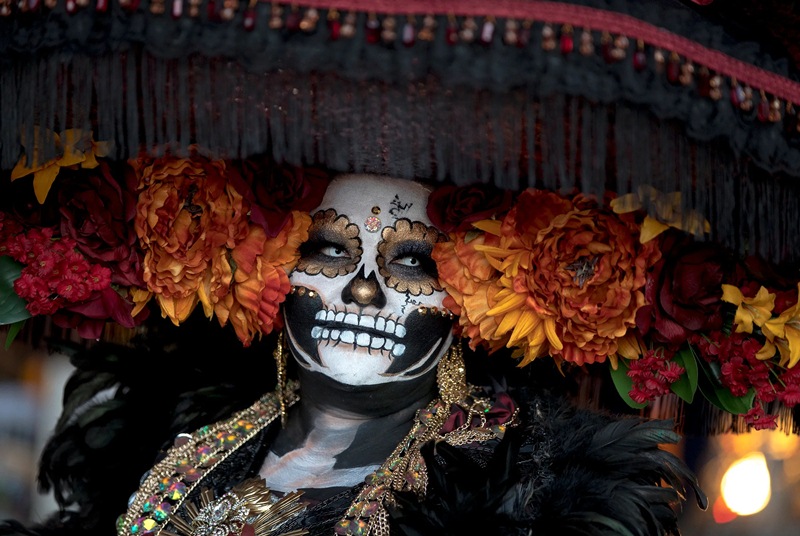
Where other cultures recoil from death, Mexico embraces it — decorates it, sings to it, lays marigold paths for it. On November 1st and 2nd, cemeteries glow with candlelight, faces painted as ornate calaveras fill the streets, and ofrendas layered with pan de muerto, sugar skulls, and photographs turn private grief into communal beauty. It is not morbid. It is the most life-affirming farewell you will ever witness.
Mardi Gras — New Orleans, USA
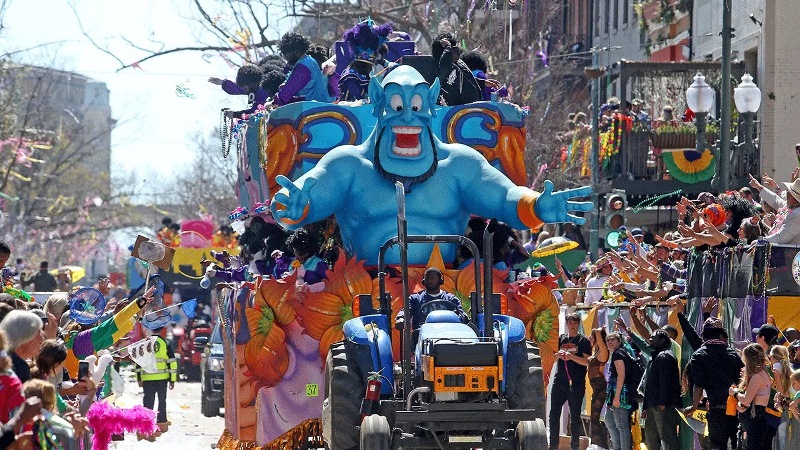
New Orleans does excess the way Florence did marble — as a native art form. Mardi Gras is the crescendo: krewes on handcrafted floats hurling beads to screaming crowds, brass bands leading second-line parades through the Treme, maskers in satirical costumes turning political commentary into street theater. The French Quarter runs on hurricanes — both the cocktail and the meteorological sort — and by midnight on Fat Tuesday, the entire city has become an unrehearsed musical.
Comic Con International — San Diego, California
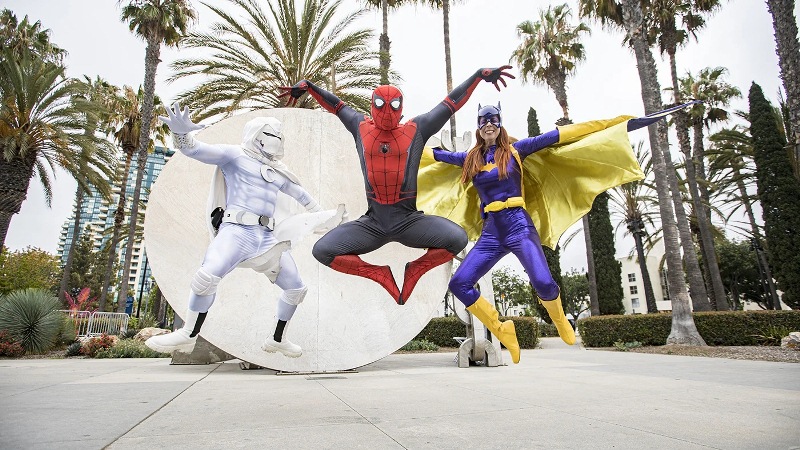
Not every mask is literal. At San Diego Comic Con, 130,000 fans in cosplay transform the convention center into the world’s largest dress-up party — but the masks here are identities chosen rather than concealed. Studio reveals, exclusive merchandise drops, and panel Q&As create a shared euphoria that is, at its core, the same impulse driving Carnival: the joy of becoming, briefly and gloriously, someone (or something) else.
Sound & Spectacle
Some festivals exist because a sound system and a field were never going to be enough. These demand stadiums, islands, Alpine villages, entire coastlines.
Tomorrowland — Boom, Belgium
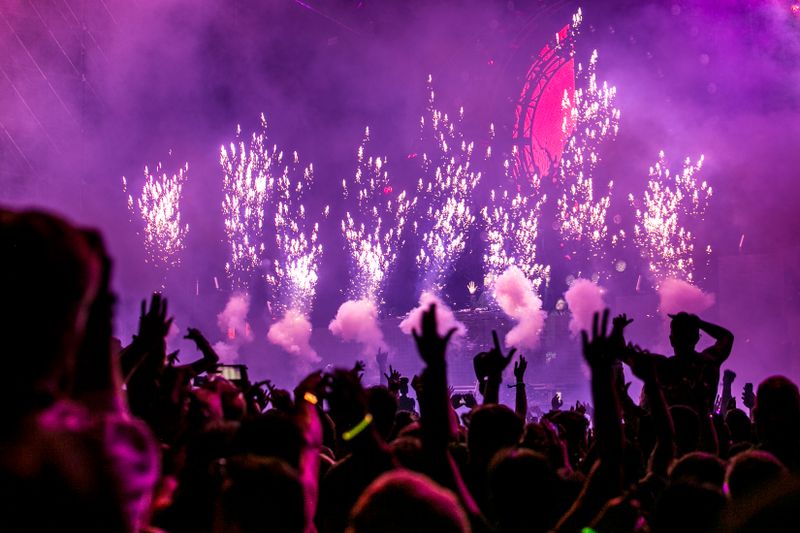
The most elaborate stage designs in electronic music history unfold across 15 stages on the De Schorre recreation ground in Boom. Tomorrowland is not a festival; it is a fully realized fantasy world — each year themed around a new mythology, with main stages that resemble cathedrals, castles, and celestial gateways. The Belgian crowd is devoted, the production is peerless, and the line-up reads like a who’s who of global dance music. Secure a ticket, then secure your flights — they sell out in minutes.
Ultra Music Festival — Miami, Florida
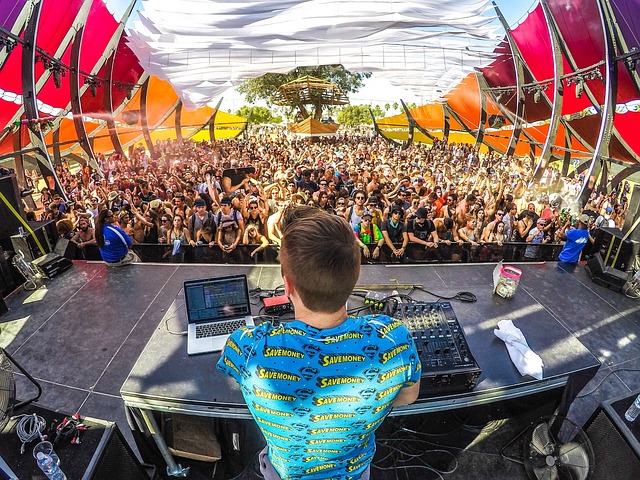
Bayfront Park. Biscayne Bay. Skyscrapers framing the main stage. Ultra Miami is the festival that catalyzed the American EDM boom, and it remains the genre’s stateside cathedral. Three days, seven stages, and bass so physical it reorganizes your heartbeat. Miami’s March weather turns the whole affair into a seviche of neon, sweat, and palm-fringed hedonism. The afterparties, scattered across South Beach, often eclipse the main event.
Sziget Festival — Budapest, Hungary
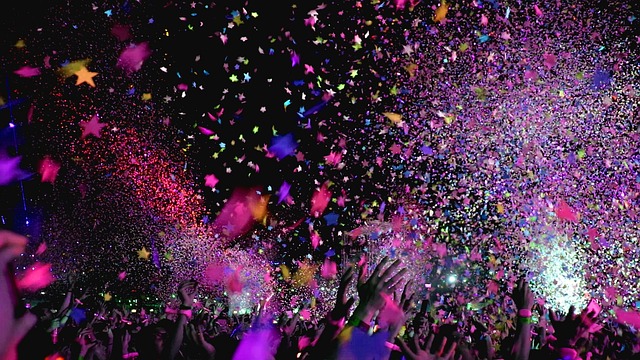
Six days on Óbuda Island in the middle of the Danube, with a line-up that zigzags from indie rock to techno to world music without apology. Sziget — “The Island of Freedom” — is Europe at its most inclusive: a passport-free zone where nationality blurs into a single sweaty, euphoric demographic. Budapest itself is the unsung headliner: thermal baths for recovery, ruin bars for afterhours, and architecture that makes the walk from the ferry feel like a tour of an open-air museum.
Coachella — Indio, California
The Empire Polo Club becomes a shimmering mirage of music, fashion, and carefully curated bohemia each April. Coachella’s influence extends far beyond its billing — it sets trends that ripple through fashion, social media, and the broader culture for the rest of the year. The art installations are colossal, the surprise collaborations legendary, and the desert sunset over the main stage is a moment that no photograph has ever fully captured.
Snowbombing — Mayrhofen, Austria
Ski by day, rave by night — in the Tyrolean Alps, no less. Snowbombing marries electronic music with winter sports in a way that feels almost inevitable once you experience it. Stages carved into snow, forest raves among the pines, and après-ski sets where the crowd is still in Gore-Tex. The mountains provide the drama; the DJs provide the tempo. It is the only festival where you can legitimately claim to have danced on a glacier.
Full Moon Party — Koh Phangan, Thailand
What began as a small gathering on Haad Rin beach in the late 1980s has become a rite of passage — 10,000 to 30,000 travelers dancing on sand under a full moon, body painted in UV, buckets of cocktail in hand. It is raw, unpolished, and unapologetically hedonistic. The Full Moon Party makes no claims to sophistication, and that is exactly its power. It is a consecration of the gap-year impulse, distilled to its purest form.
Tulum Zamna & Day Zero — Tulum, Mexico
In the jungle cenotes and open-air amphitheaters of Tulum, Zamna and Day Zero craft a different kind of electronic gathering — one that trades stadium spectacle for intimacy, bass drops for ritual, and VIP sections for sacred geometry. The curation is meticulous, the crowds beautiful and deliberate, and the setting — ancient Mayan landscape meeting cutting-edge sound — is genuinely transcendent. It is what Burning Man might look like if it were designed by an architect with a techno habit.
Light & Color
When the world isn’t burning, it’s glowing. These festivals are optical events — spectacles that belong on retinas and camera sensors alike.
Holi — Mathura & Vrindavan, India
The morning after the bonfire, India detonates in color. Holi is the planet’s most exuberant paint fight — gulal in every hue launched from rooftops, water cannons, hands, and buckets. In the Braj region around Mathura and Vrindavan, the celebration reaches its wildest pitch: Lathmar Holi, where women playfully beat men with sticks, and Phoolon wali Holi, where flowers replace powder. You will leave pink, purple, and irreversibly happy. Wear white — not to stay clean, but to wear the evidence.
Lantern Festival — Pingxi, Taiwan & Various, China
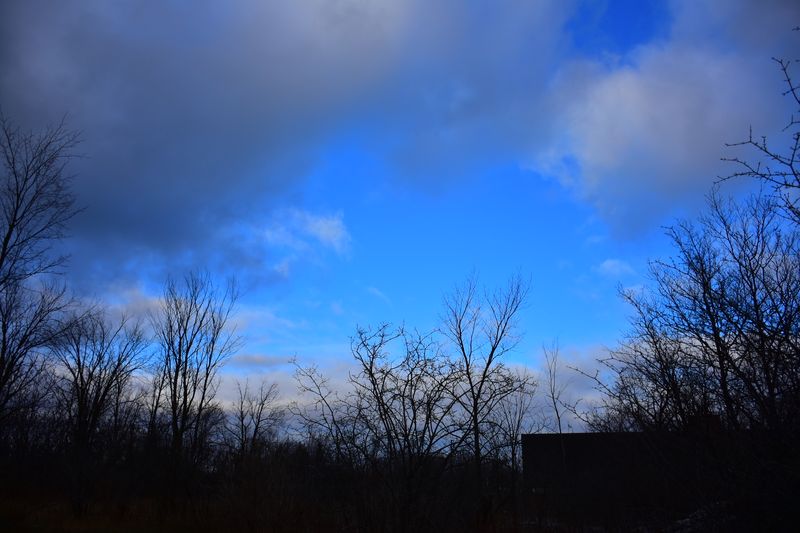
Thousands of paper lanterns released simultaneously into the night sky — each one carrying a handwritten wish — is an image so beautiful it borders on the surreal. In Pingxi, the tradition converges with jaw-dropping scale: the sky ignites in a slow, floating amber glow that takes your breath and returns it as awe. In China’s ancient capitals, larger installations and floating water lanterns create equally hypnotic scenes. This is light used not to illuminate but to consecrate.
Nabana no Sato — Kuwana, Japan
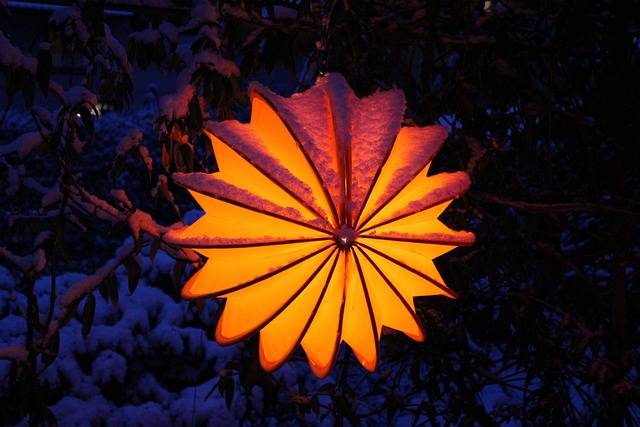
Every winter, the Nabana no Sato theme park on Mie Prefecture transforms into the most elaborate illumination event in Japan — which, given Japan’s commitment to light displays, is saying something. Over eight million LEDs create tunnels of warm gold, fields of simulated lavender, and sprawling Fuji-scale landscapes rendered entirely in light. It is meticulous, meditative, and more moving than a theme park illumination has any right to be. The onsen nearby is the perfect coda.
Harbin Ice Festival — Harbin, China
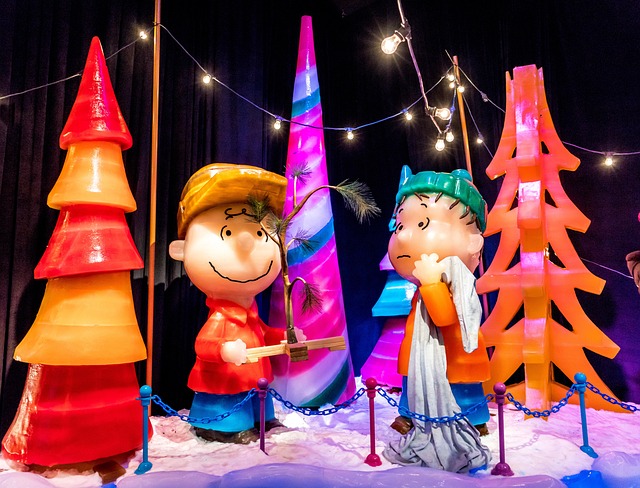
At minus-thirty degrees Celsius, Harbin’s sculptors build an entire city from ice — cathedrals, pagodas, castles — then light it from within in neon greens, pinks, and electric blues. Walking through the Ice and Snow World at night feels like stepping inside a crystalline hallucination. The scale is staggering: structures rise five stories high, slides carved from frozen rivers attract queues, and the Songhua River supplies both the raw material and the stage. Dress in layers. Then add more layers.
Albuquerque International Balloon Fiesta — New Mexico, USA
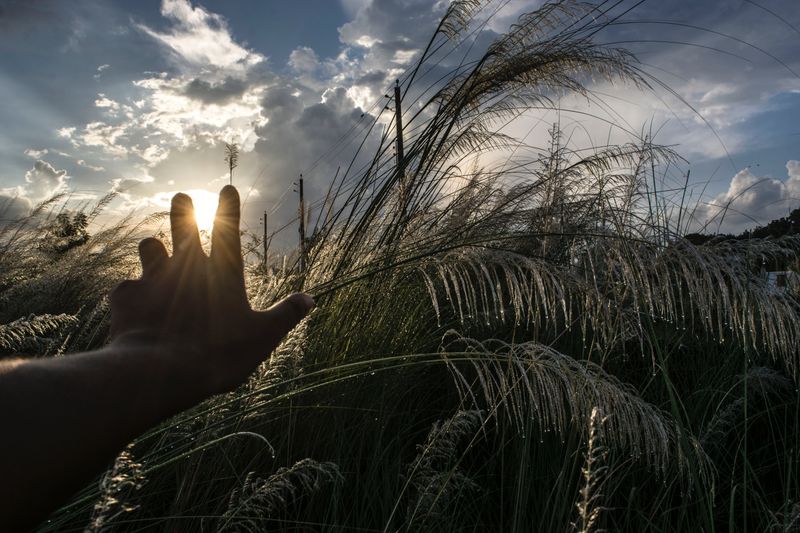
Six hundred hot air balloons lifting simultaneously at dawn is a sight so gentle and so vast that it recalibrates your sense of scale. The Mass Ascension at the Albuquerque Balloon Fiesta is the largest gathering of its kind on Earth, and the Rio Grande Valley’s October weather — the storied “Albuquerque box” — allows pilots to navigate circular patterns, creating a slow-motion choreography of color against the Sandia Mountains. It is the rare spectacle that demands silence rather than applause.
Celluloid & Stage
A festival can be a red carpet or a samba runway — either way, the world is watching.
Cannes Film Festival — Cannes, France
For twelve days each May, the Croisette becomes the most glamorous stretch of pavement on Earth. The Cannes Film Festival is where cinema’s highest art meets the Mediterranean at its most luminous — where a Palme d’Or screening in the Palais des Festivals ends at a waterfront dinner where the wine list is longer than the screenplay. The festival proper is invitation-only, but the atmosphere spills gloriously into the open: yachts, paparazzi, and the irrepressible Cannes ecosystem of deal-making and myth-making.
Rio Carnival — Rio de Janeiro, Brazil
If Venice is the festival of restrained elegance, Rio is its swaggering, feathered, thundering counterpoint. The Sambadrome parade is the headline: twelve top samba schools competing in a sensory assault of sequins, drums, and choreography so tight it takes an entire year to rehearse. But the real Rio Carnival is in the blocos — the 500-plus street parties that erupt across every neighborhood, each with its own band, its own character, and its own stubborn claim on the meaning of joy. You do not attend Rio Carnival. You are consumed by it.
Sacred & Seasonal
Some festivals are prayers with better production values. These honor time, harvest, the turning of seasons — and the human need to mark both with abandon.
Songkran — Chiang Mai & Bangkok, Thailand
The Thai New Year is officially a purification ritual — water poured gently over Buddha statues and elders’ hands as a blessing. Unofficially, it is the largest water fight on the planet. Entire cities become battlegrounds of Super Soakers, buckets, and garden hoses. Chiang Mai’s moat becomes a reservoir of ammunition; Bangkok’s Silom Road turns into a river of wet, ecstatic humanity. It is impossible to stay dry and equally impossible to stay unhappy. Bring a waterproof phone case and surrender.
Oktoberfest — Munich, Germany

Six million visitors. Seven million liters of beer. One enormous fairground on the Theresienwiese. Oktoberfest is the world’s largest Volksfest, and it has been perfecting its formula since 1810: enormous beer tents run by Munich’s historic breweries, roasted meats turning on spits, oompah bands leading singalongs to “Ein Prosit,” and a level of communal bonhomie that proves Germans are, contrary to stereotype, the most efficient party-throwers in Europe. The trick is arriving early — tent seats fill by noon on weekends.
La Tomatina — Buñol, Spain

On the last Wednesday of August, the tiny Valencian town of Buñol — population 9,000 — swells to 20,000 as trucks unload 150,000 kilograms of overripe tomatoes into the streets, and the world’s largest food fight begins. One hour. No rules except: squash before throwing, no bottles, stop when the cannon fires. The aftermath is a river of red pulp flowing through cobblestone streets while fire trucks hose down the participants. It is absurd, joyful, and exactly as messy as it sounds.
St Patrick’s Day — Dublin & Beyond, Ireland
March 17th turns the world green — from Chicago’s dyed river to Sydney’s Opera House — but the spiritual home remains Dublin, where a five-day festival culminates in a parade that turns the city centre into a river of music, movement, and unapologetic pride. St Patrick’s Day has evolved far beyond its religious origins into a global celebration of Irish identity: trad sessions in snug pubs, céilí dances in the street, and the impossible, infectious conviction that — at least for one day — everyone is a little bit Irish.
The world doesn’t run out of reasons to gather. It just runs out of weekends. Pick a season, pick a hemisphere, and show up. The rest — the confetti, the bass drop, the ash on your skin, the dye in your hair — will take care of itself.